
THAILAND
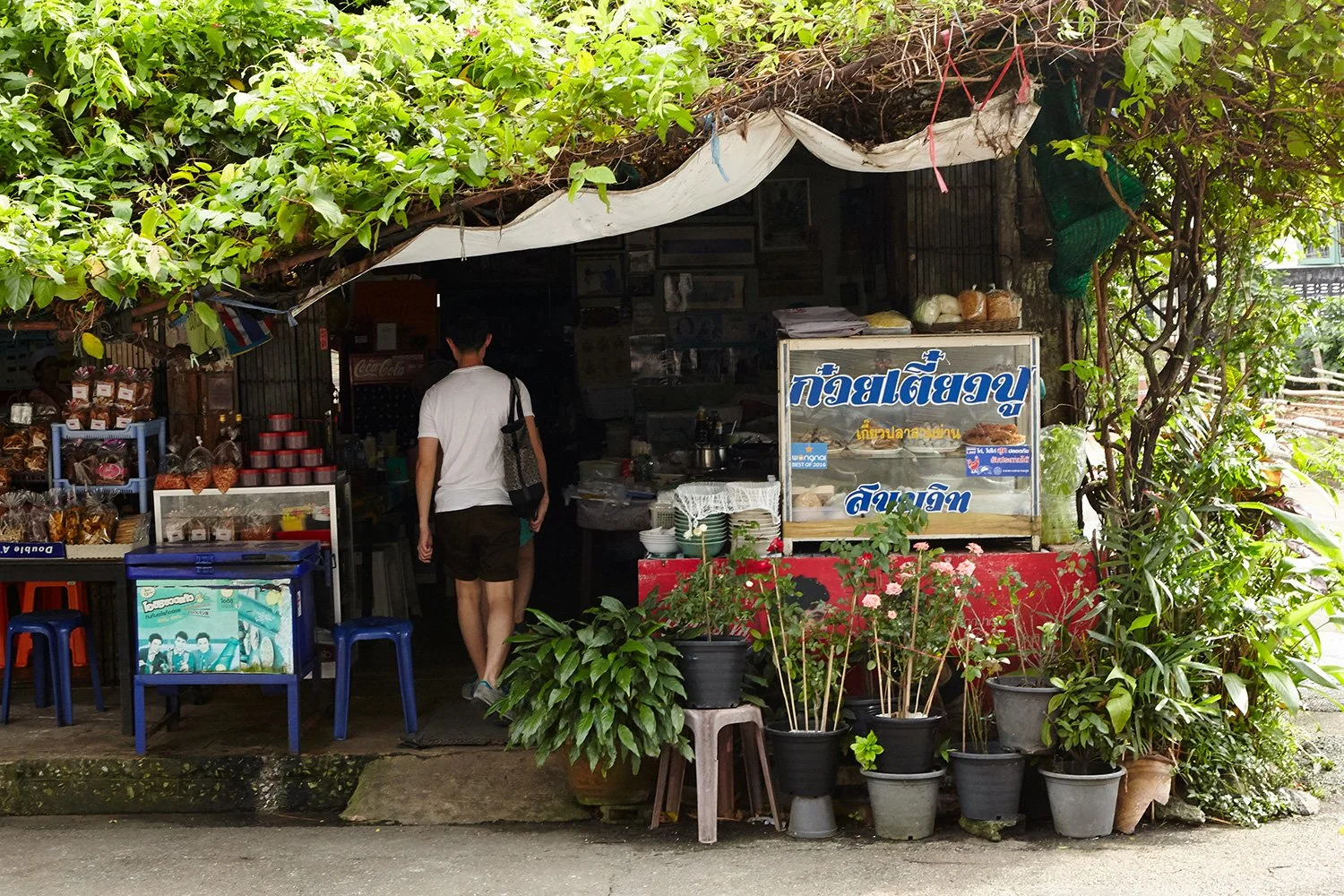
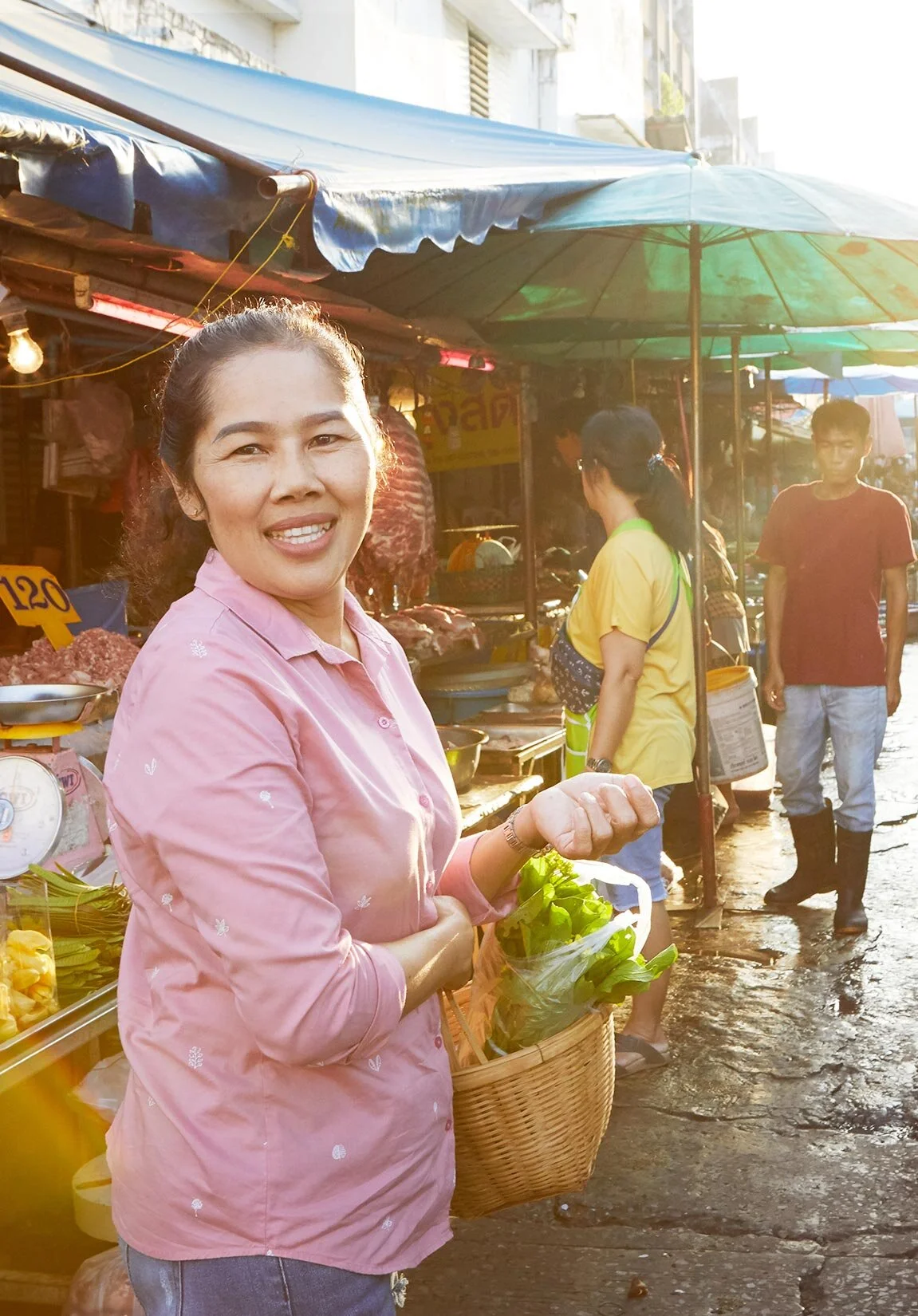
Thailand possesses a mysterious lure that promises its visitors exotic adventures, eye-opening sights, and mind-blowing culinary experiences. When my friend, Oat, invited me to visit his homeland to help document his family’s food stories and recipes, I delved right in to a world I had never known. Oat and I traveled around the country, tracing and collecting fascinating stories of Oat’s late grandmother and the treasured recipes she had passed on to the family. Throughout the journey, I observed not only the existence of a plethora of herbs and vegetables I had never heard of, but also the way of life of the friendly Thai people whose small home kitchens were no indications of their big, kind hearts.
The time I spent with Oat’s family were full of wonders.
I only wish that my lens were able to capture what I felt in my heart.
FROM
THE LAND
TO
THE SEA
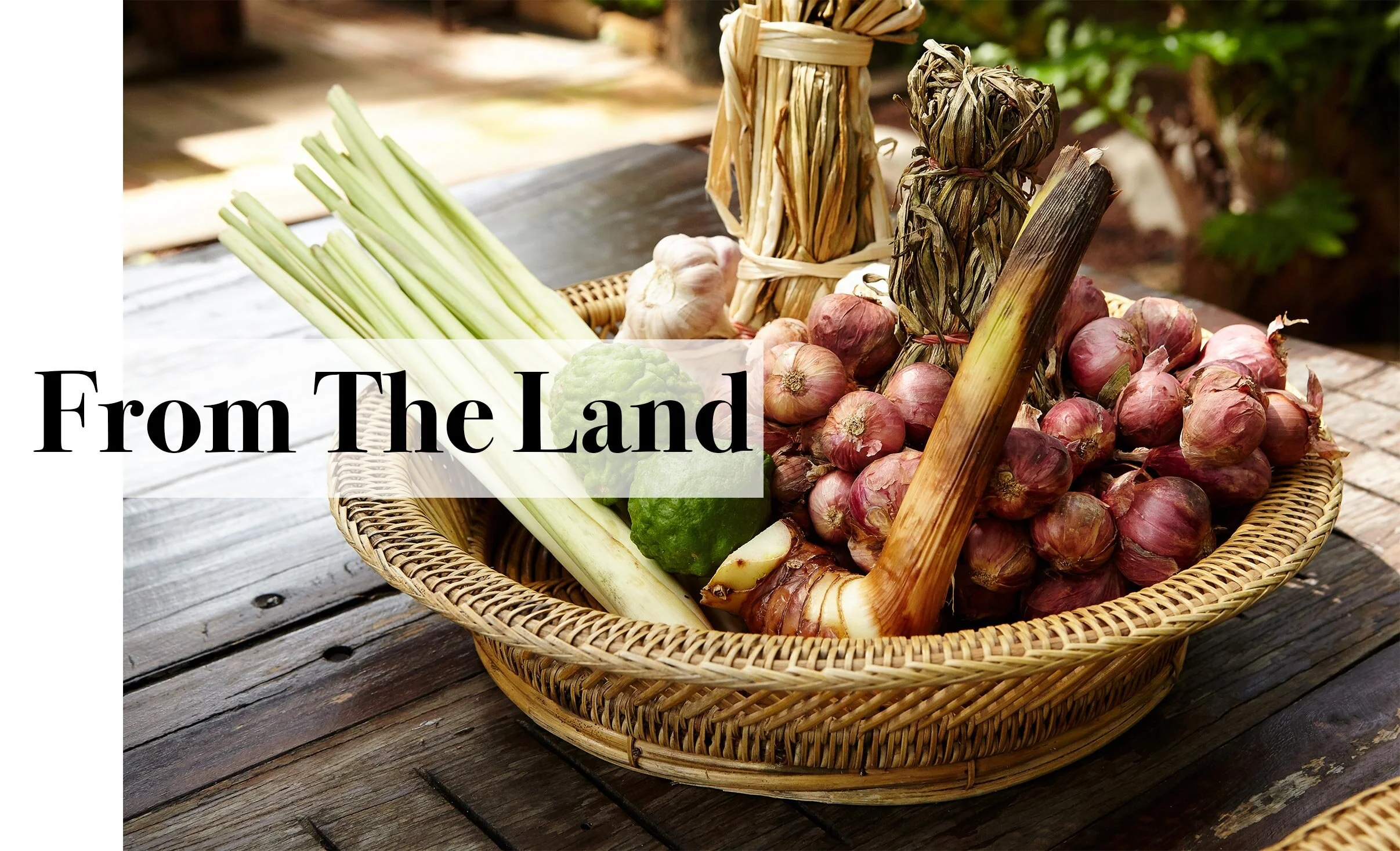
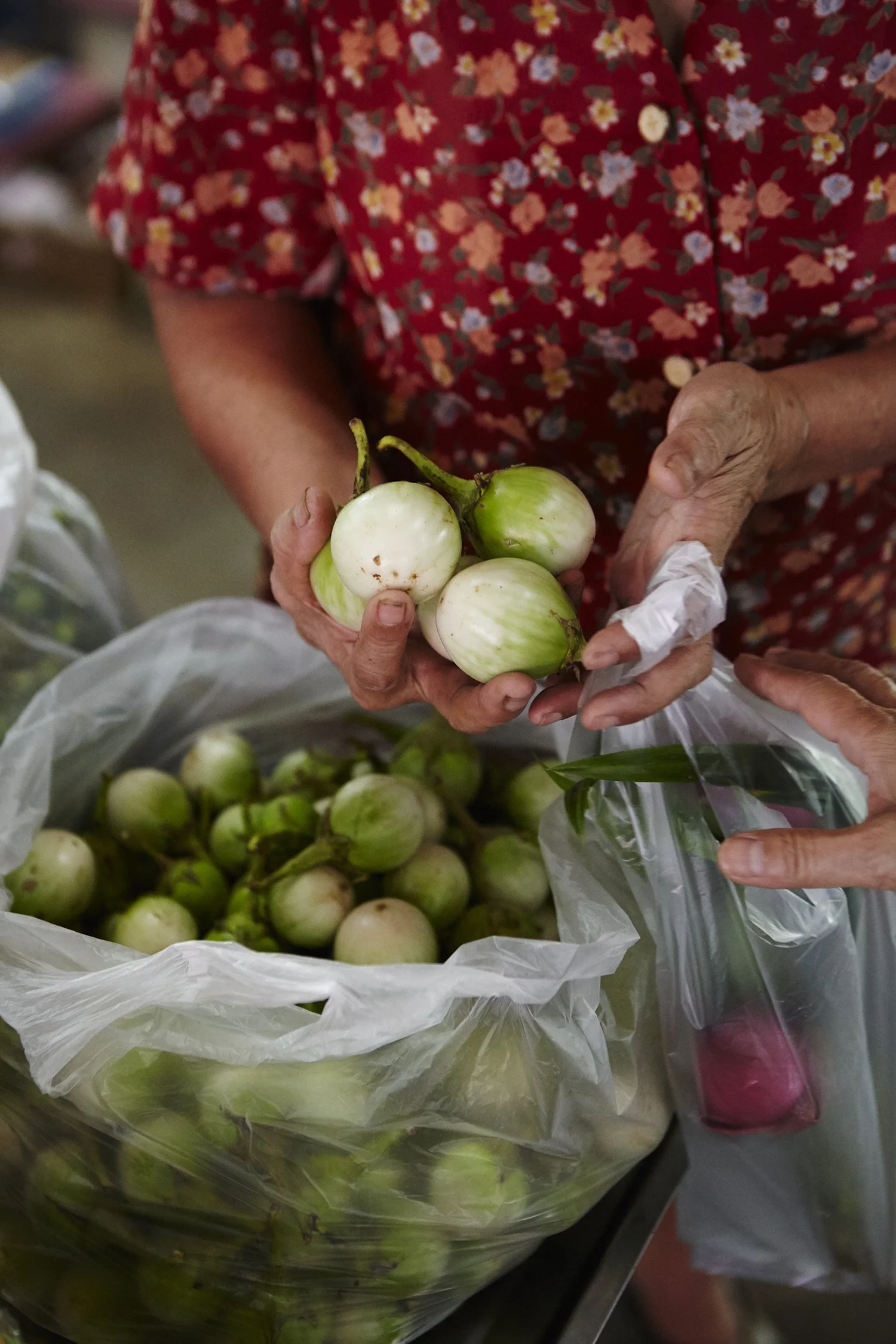
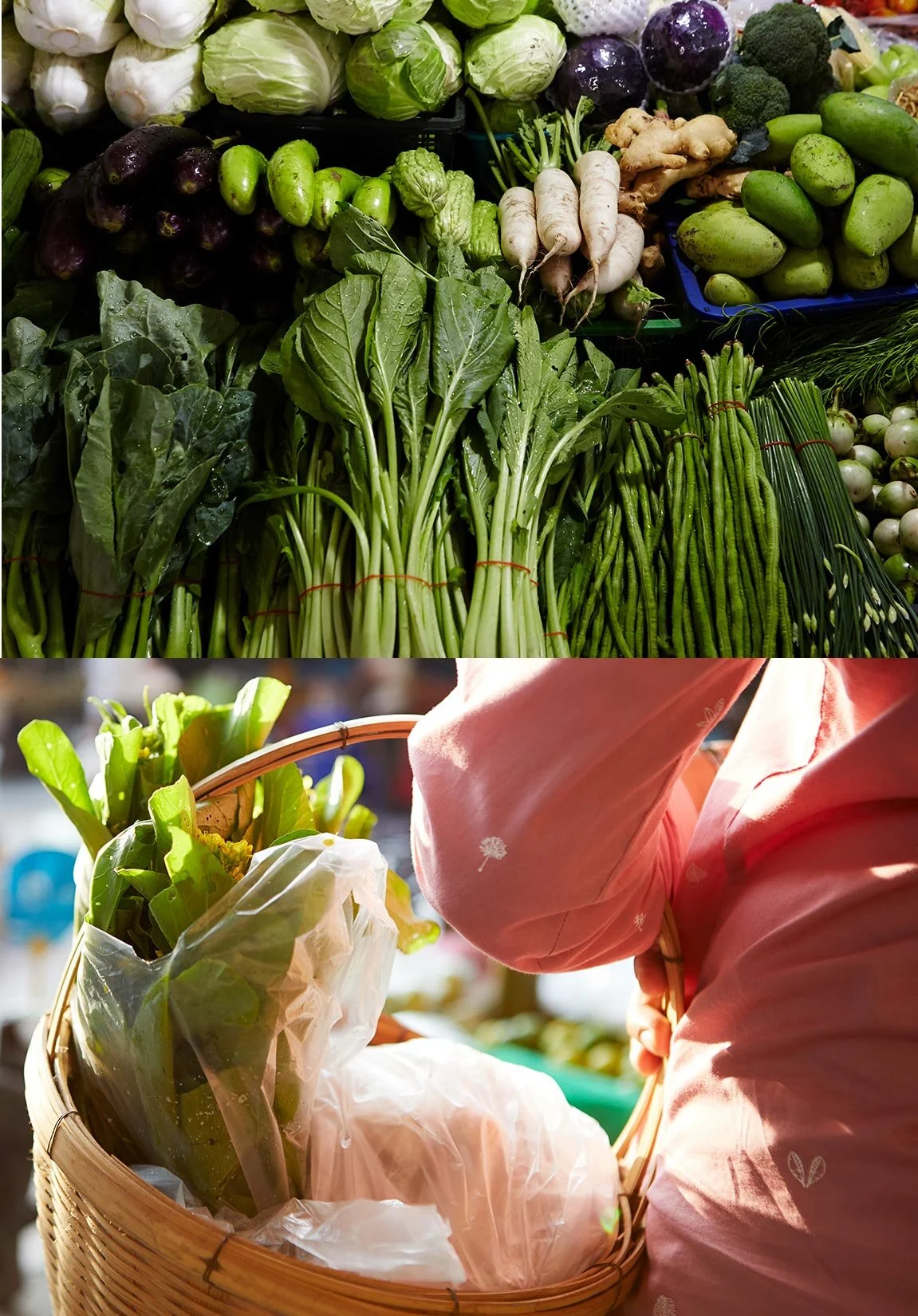
Makua Puang(small green aubergine)
Prik Thai On (young green peppercorn)
Kaffir Thai leaves
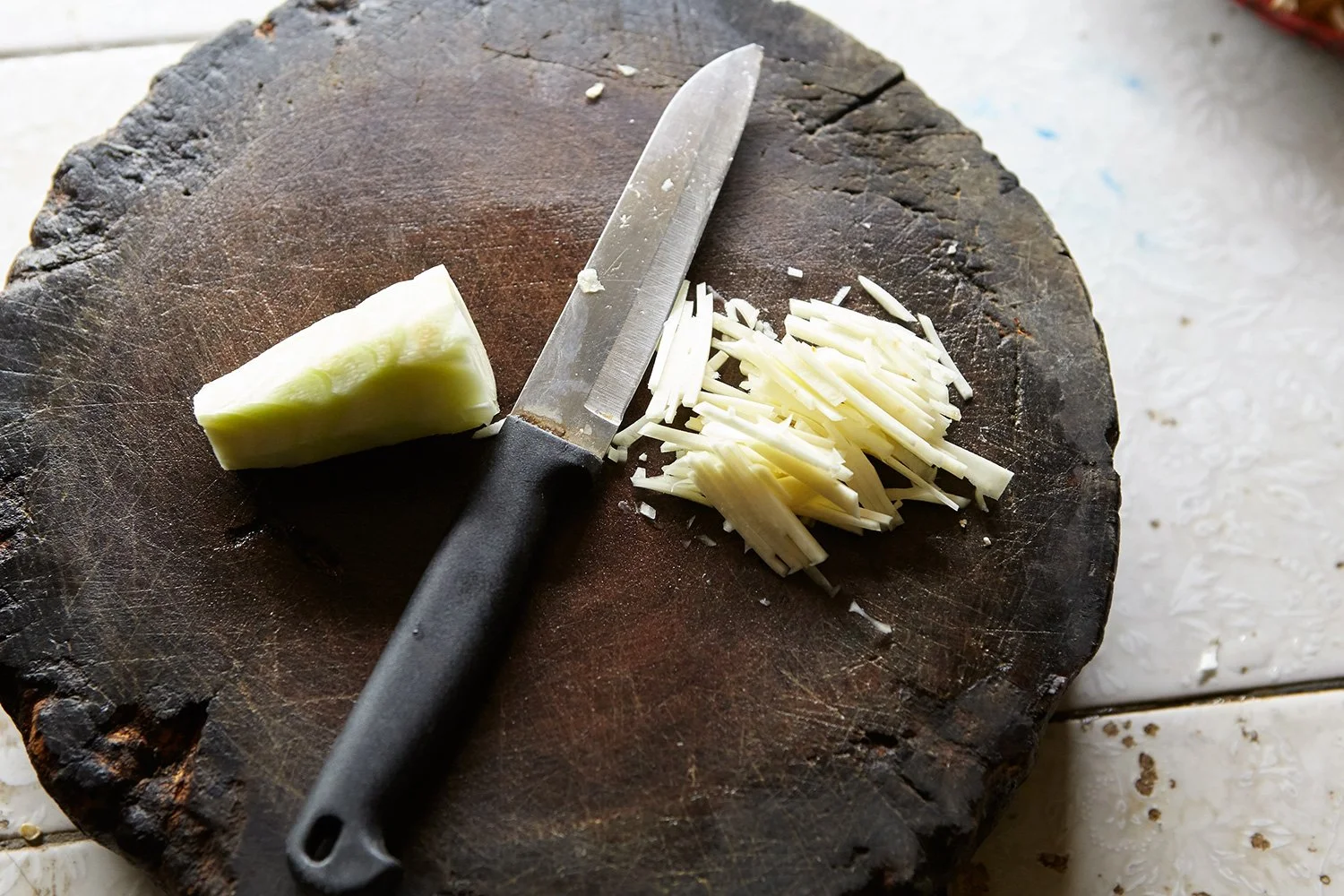
Young Banboo shoot
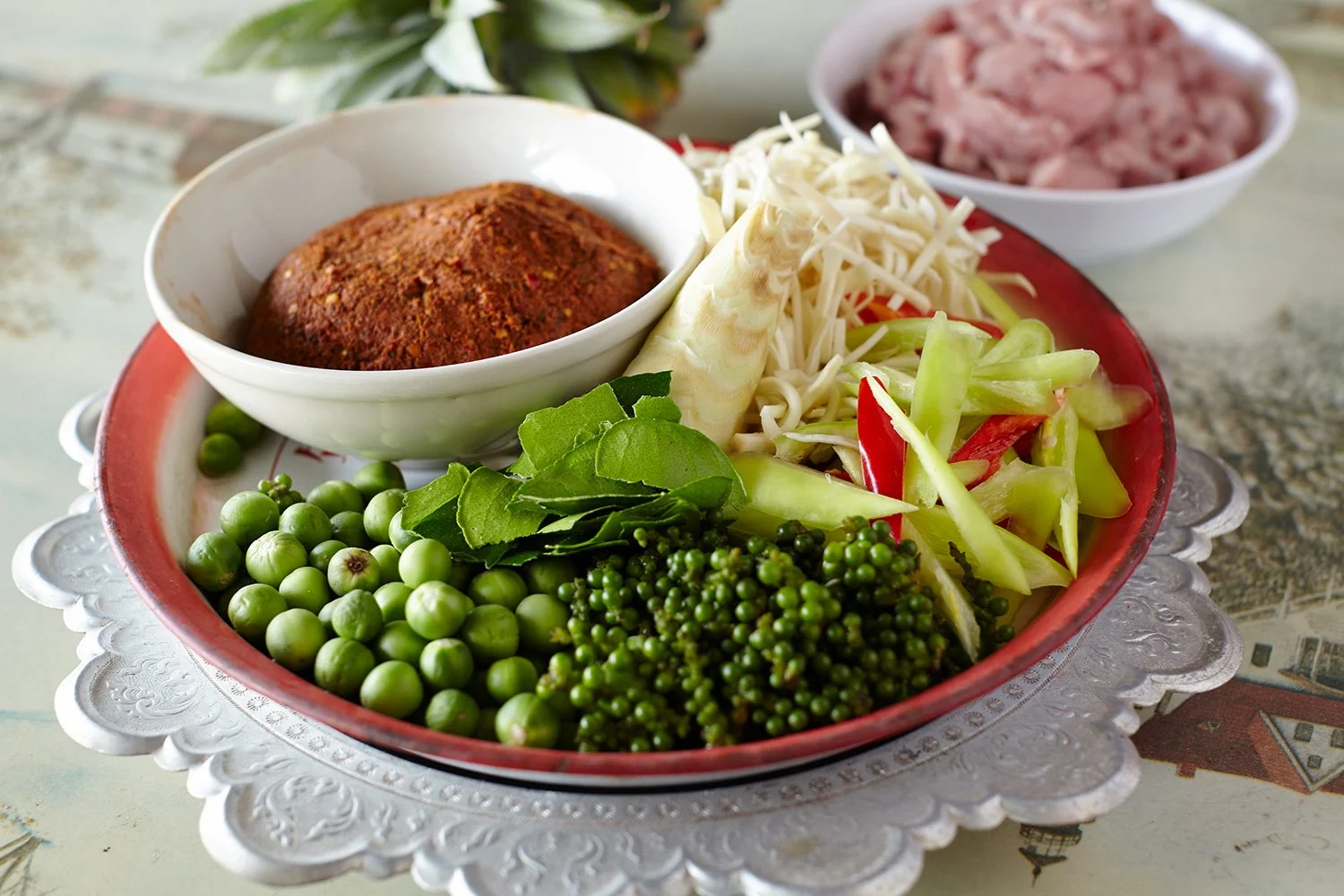
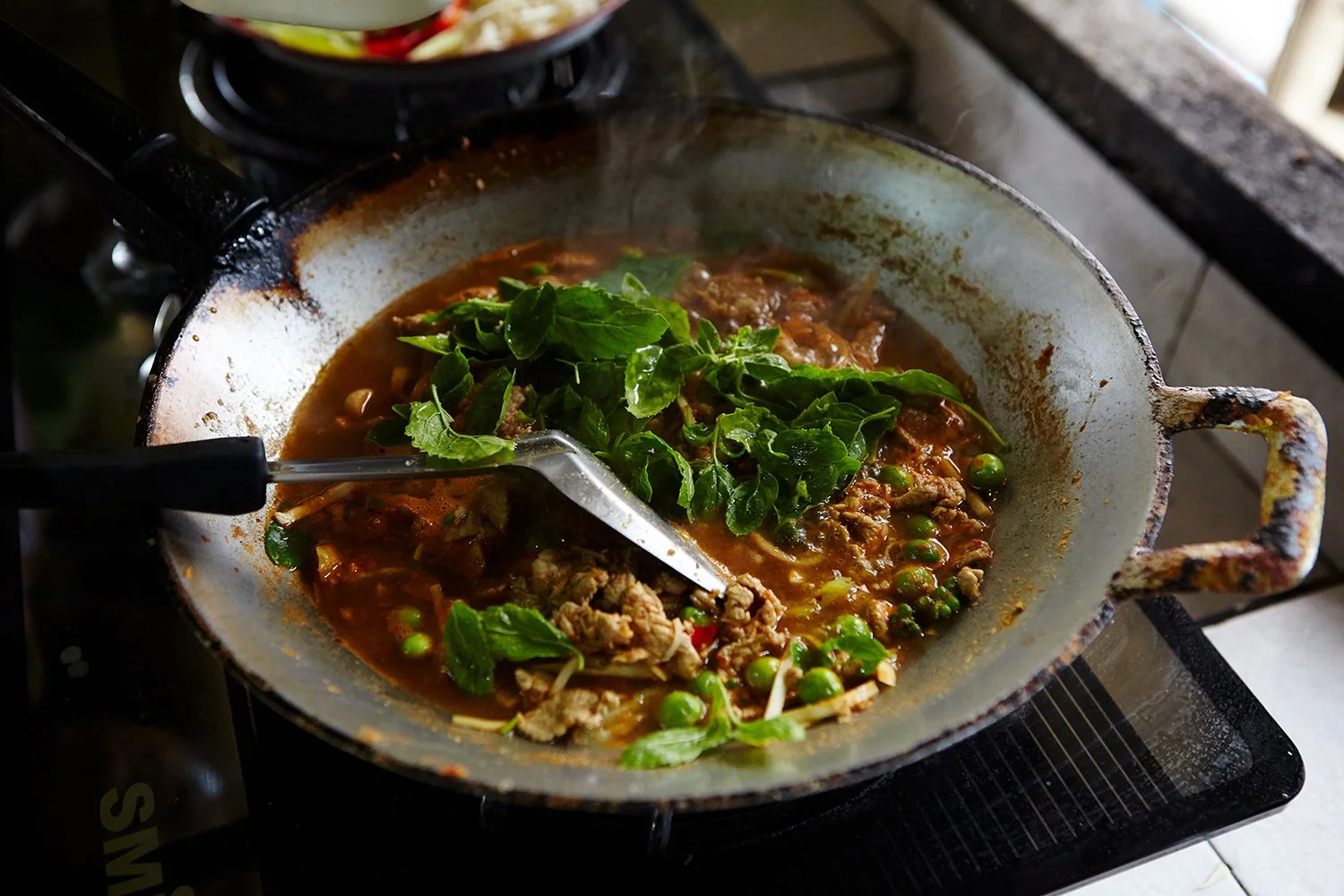
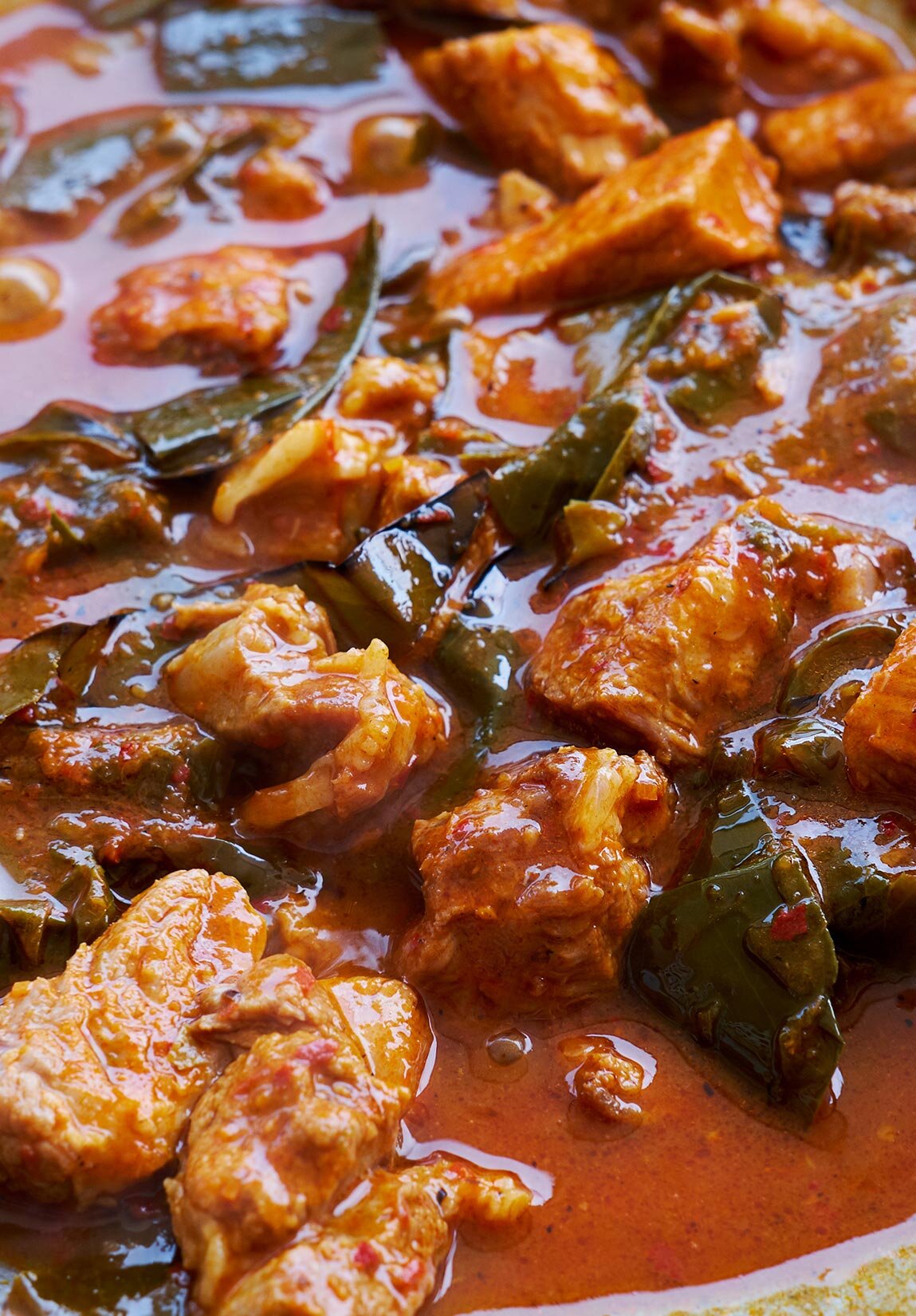
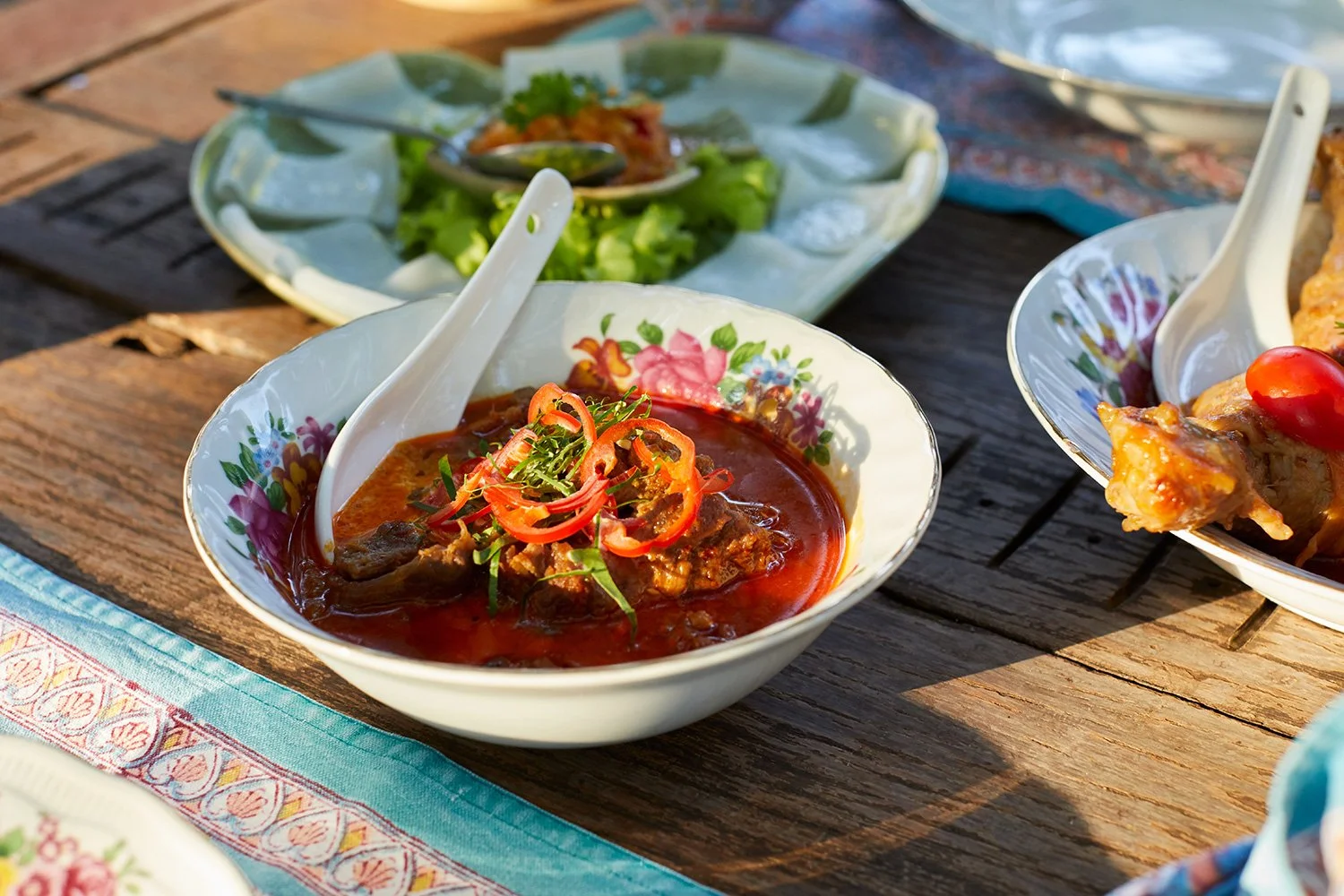
Kaeng Pah Sup Pa Rod
- pork curry -
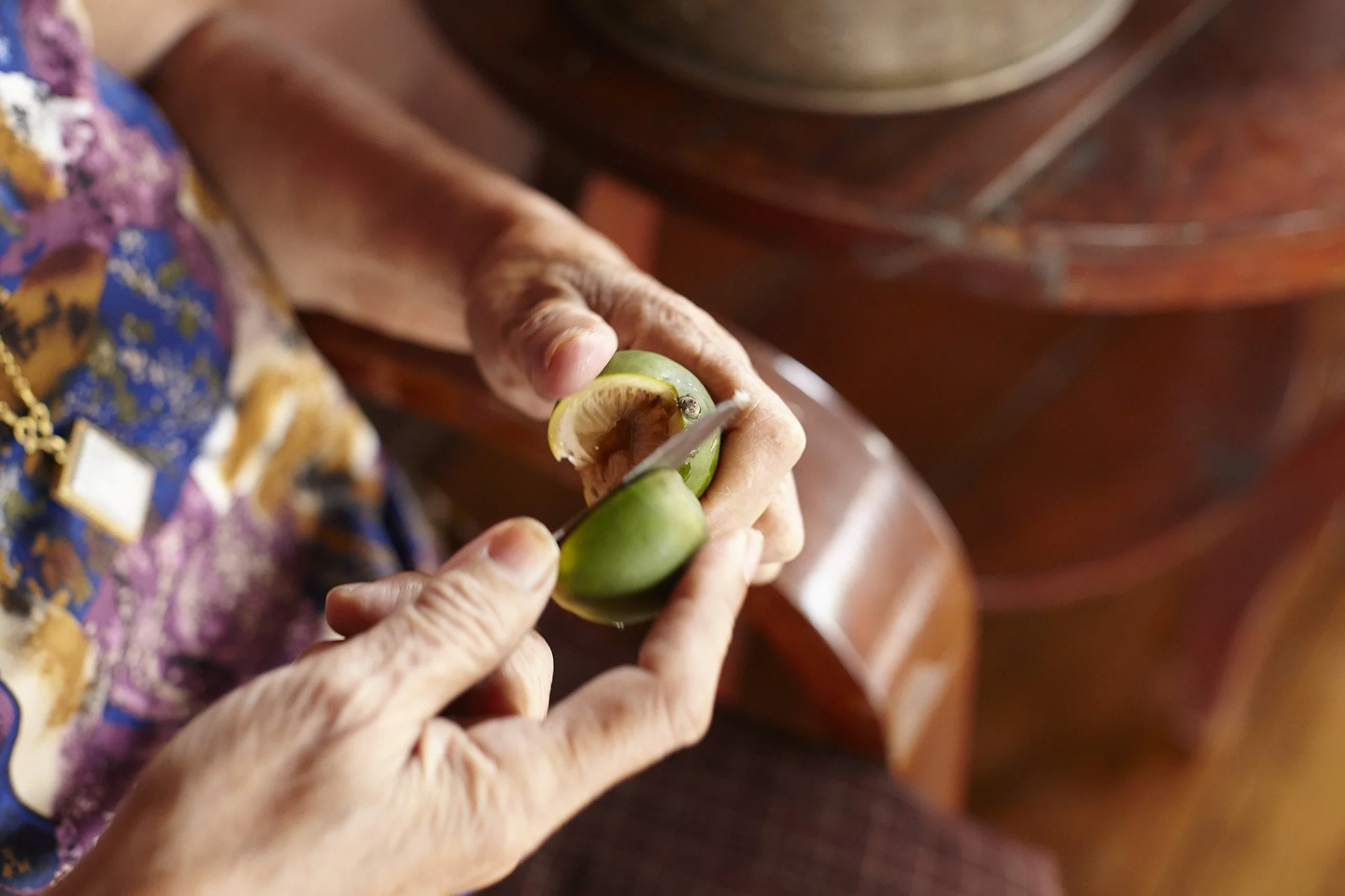
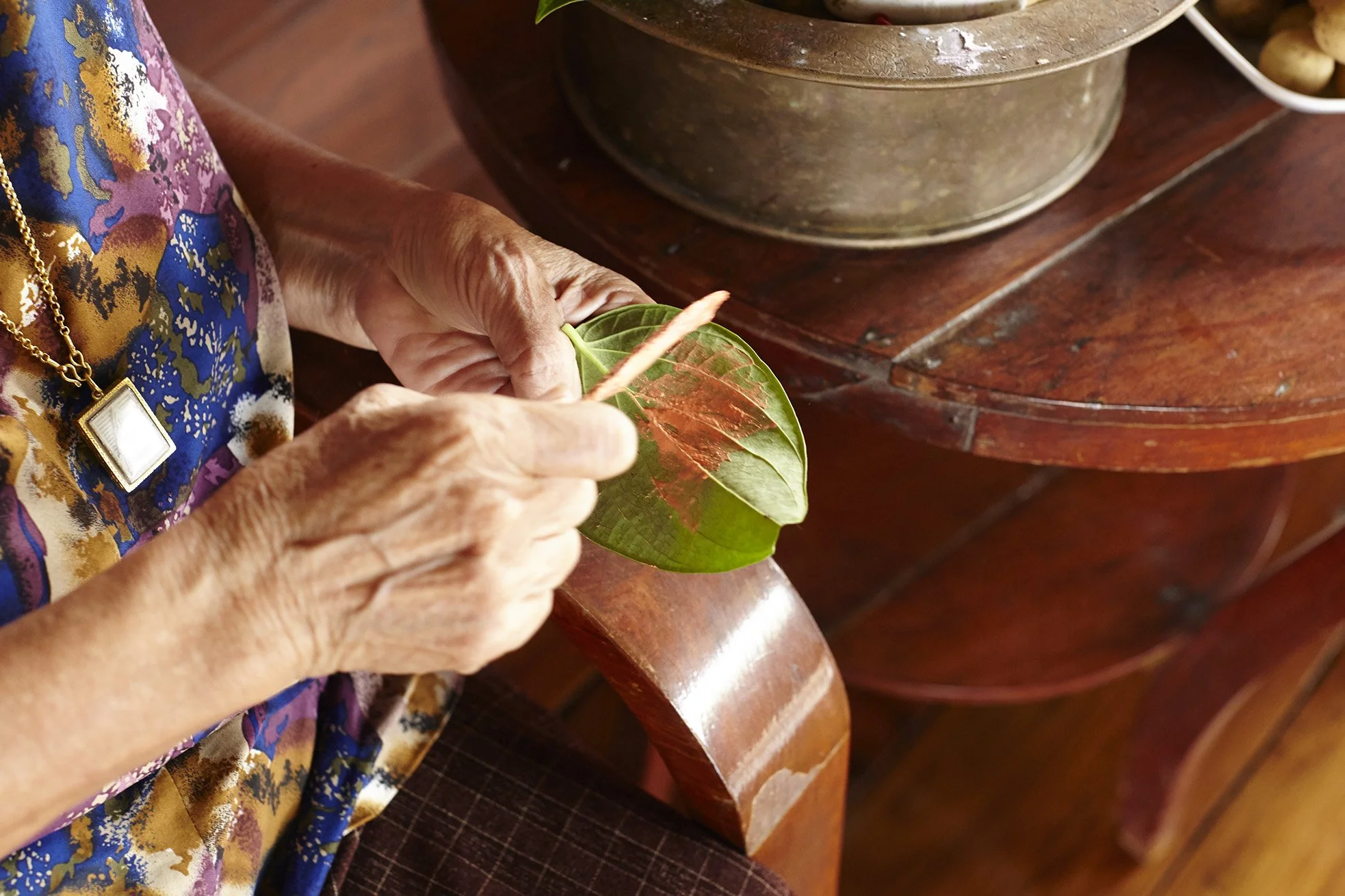
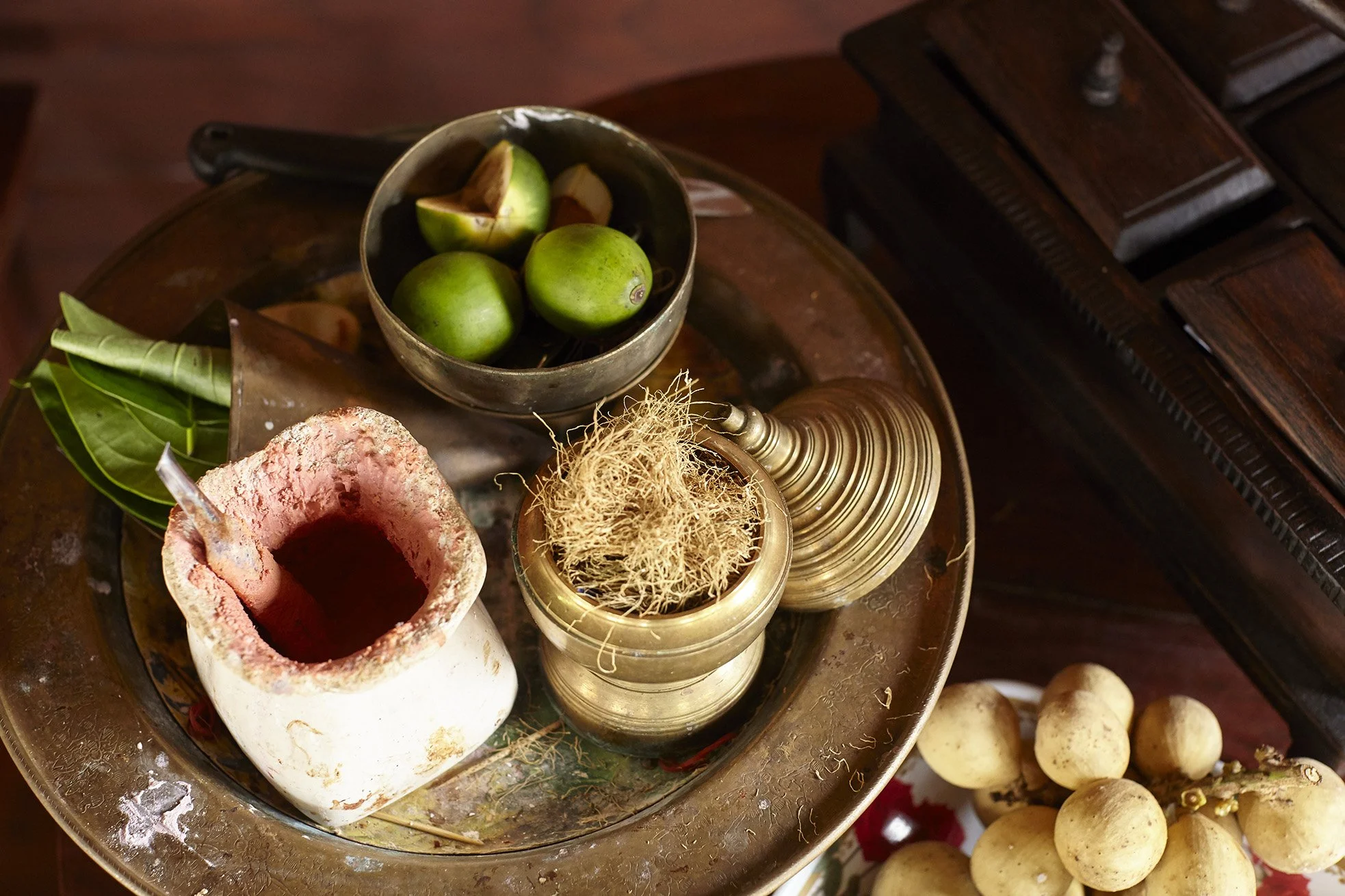
Betel quid chewing is old tradition exists not only in Thailand, but pan-asian, and pacific island region. It is known to be the 4th most popular psychoactive substance in the world after nicotine, alcohol, and caffeine. Here in Thailand, people consume betel nut and red lime paste wrapped in betel leave. Then, chew like chewing tobacco.
In recent years, less and less younger generations are anticipating this custom due to oral health reasons...
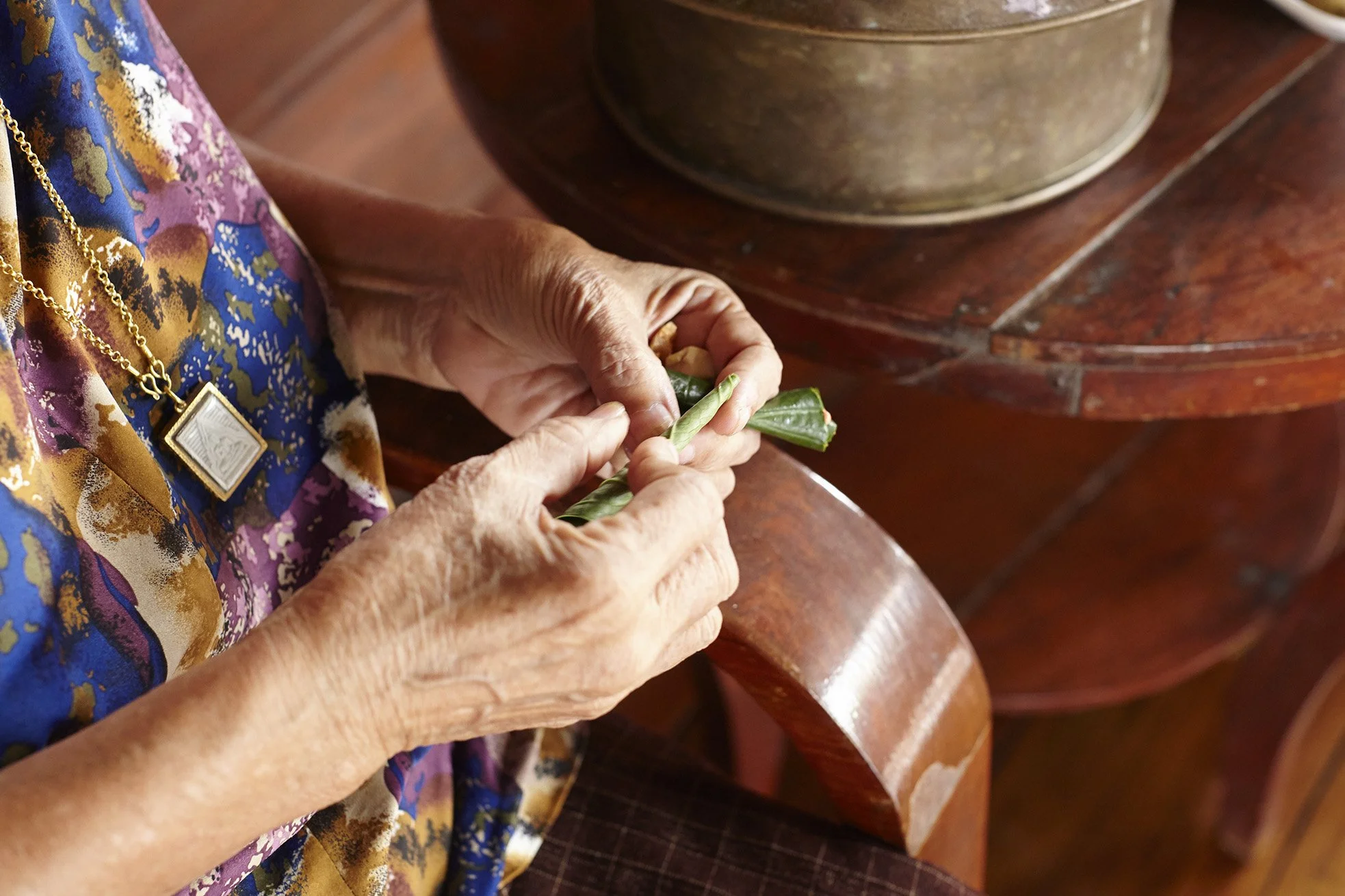
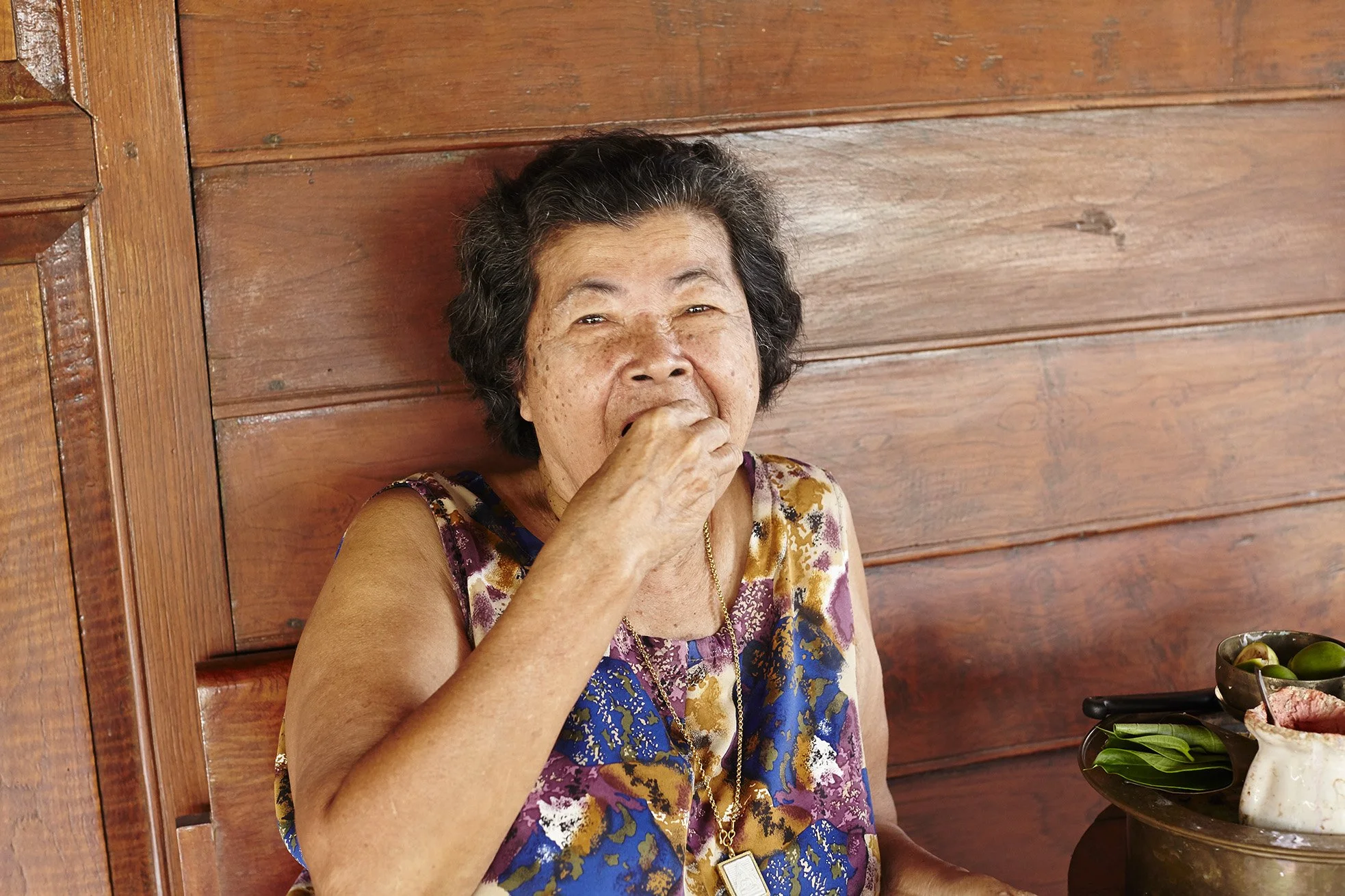
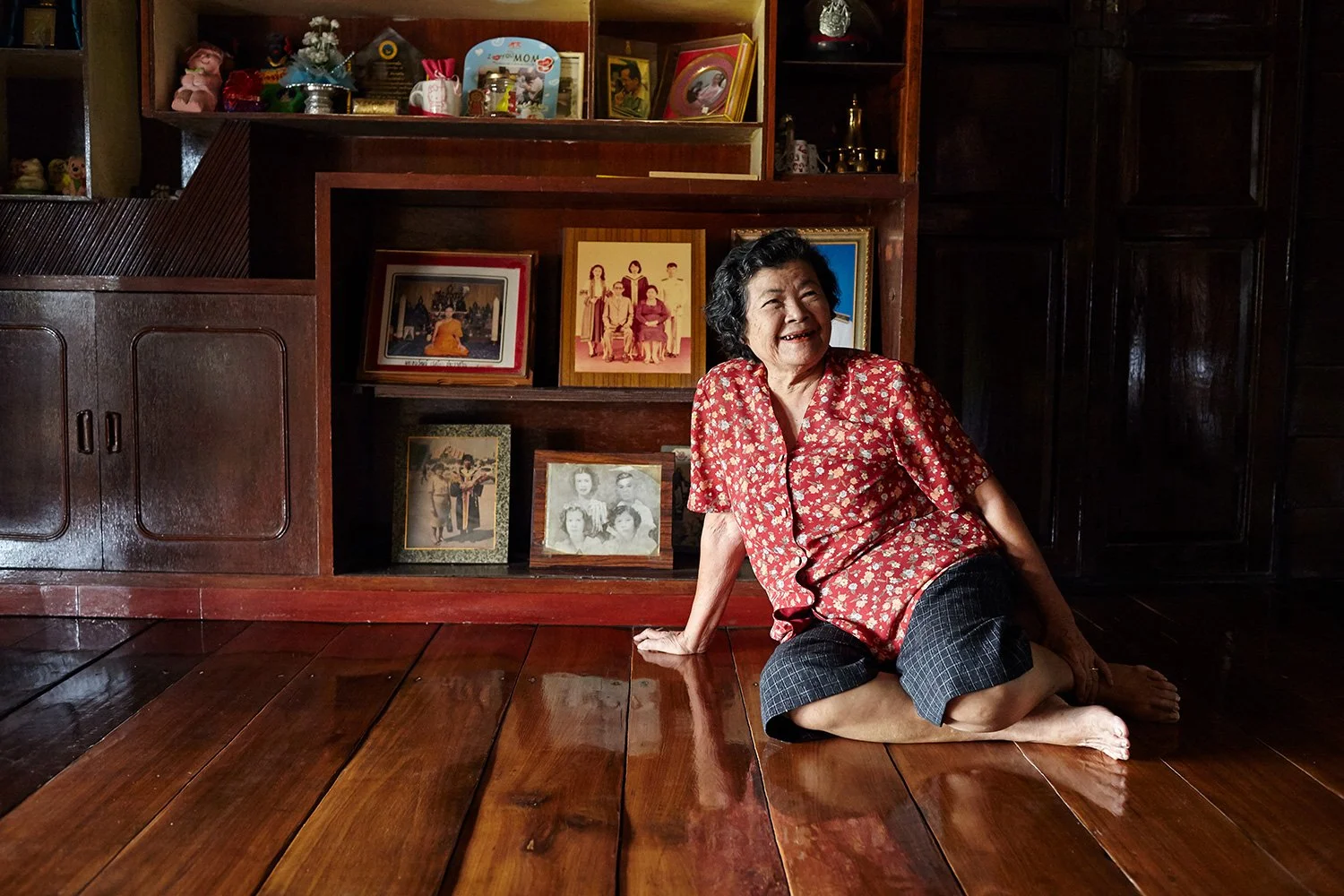
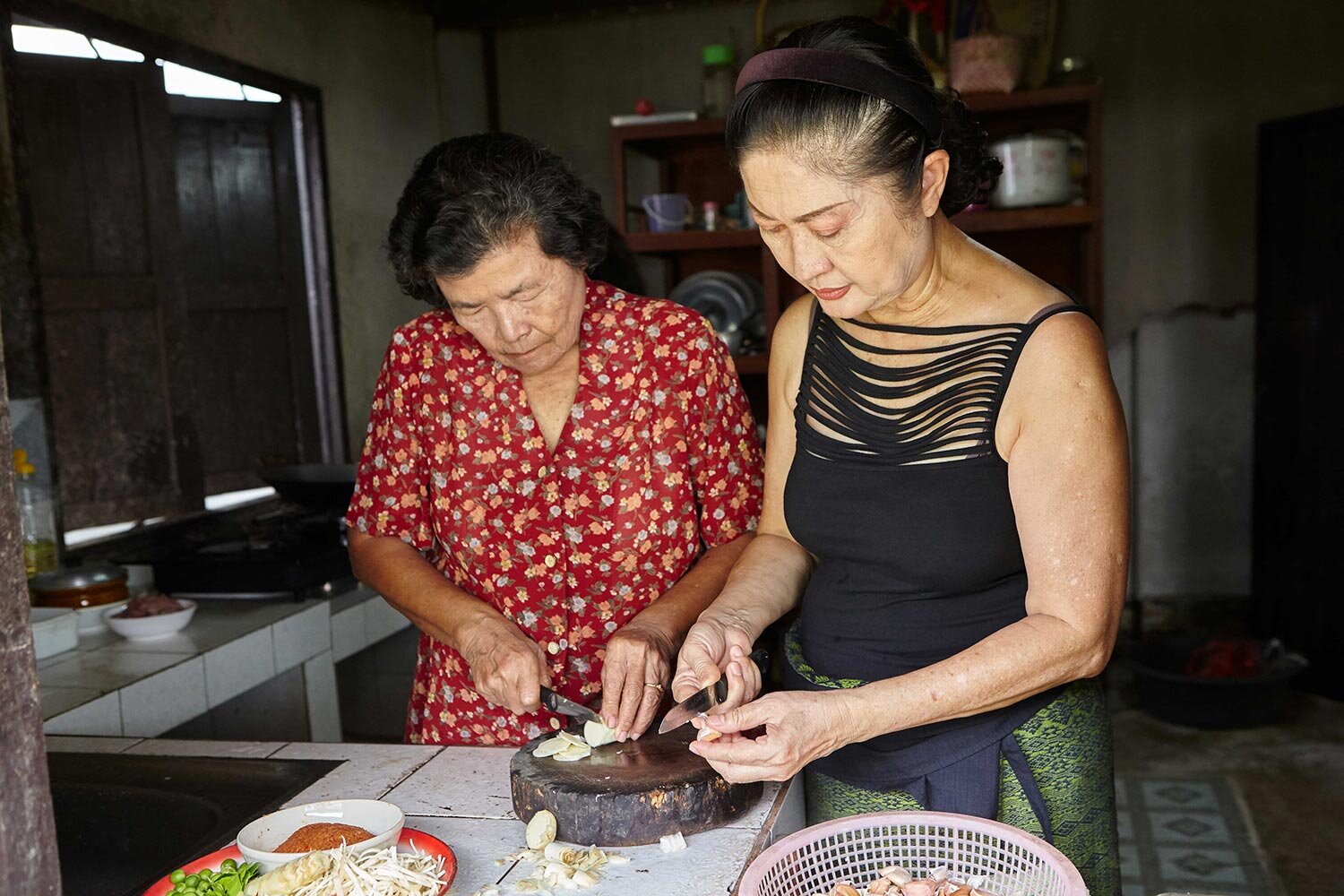
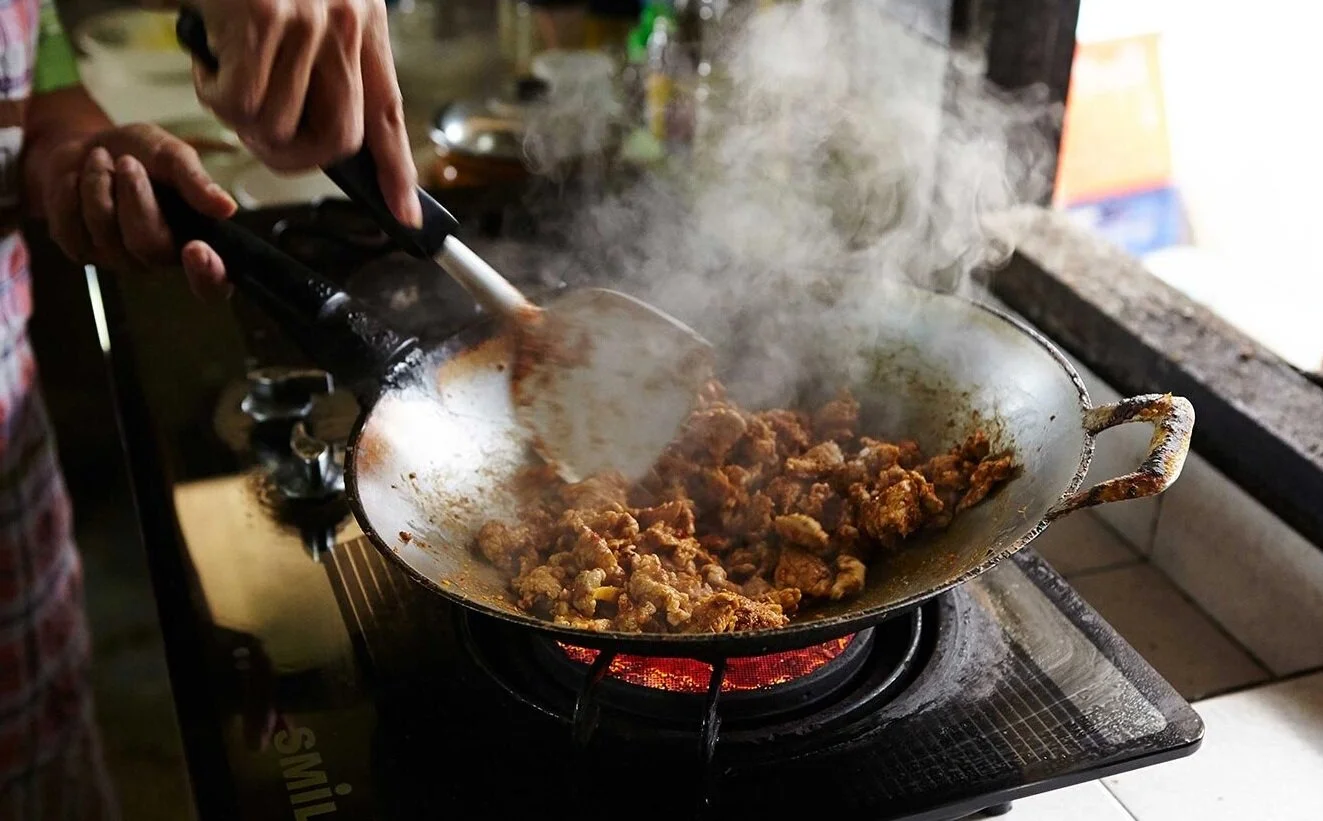
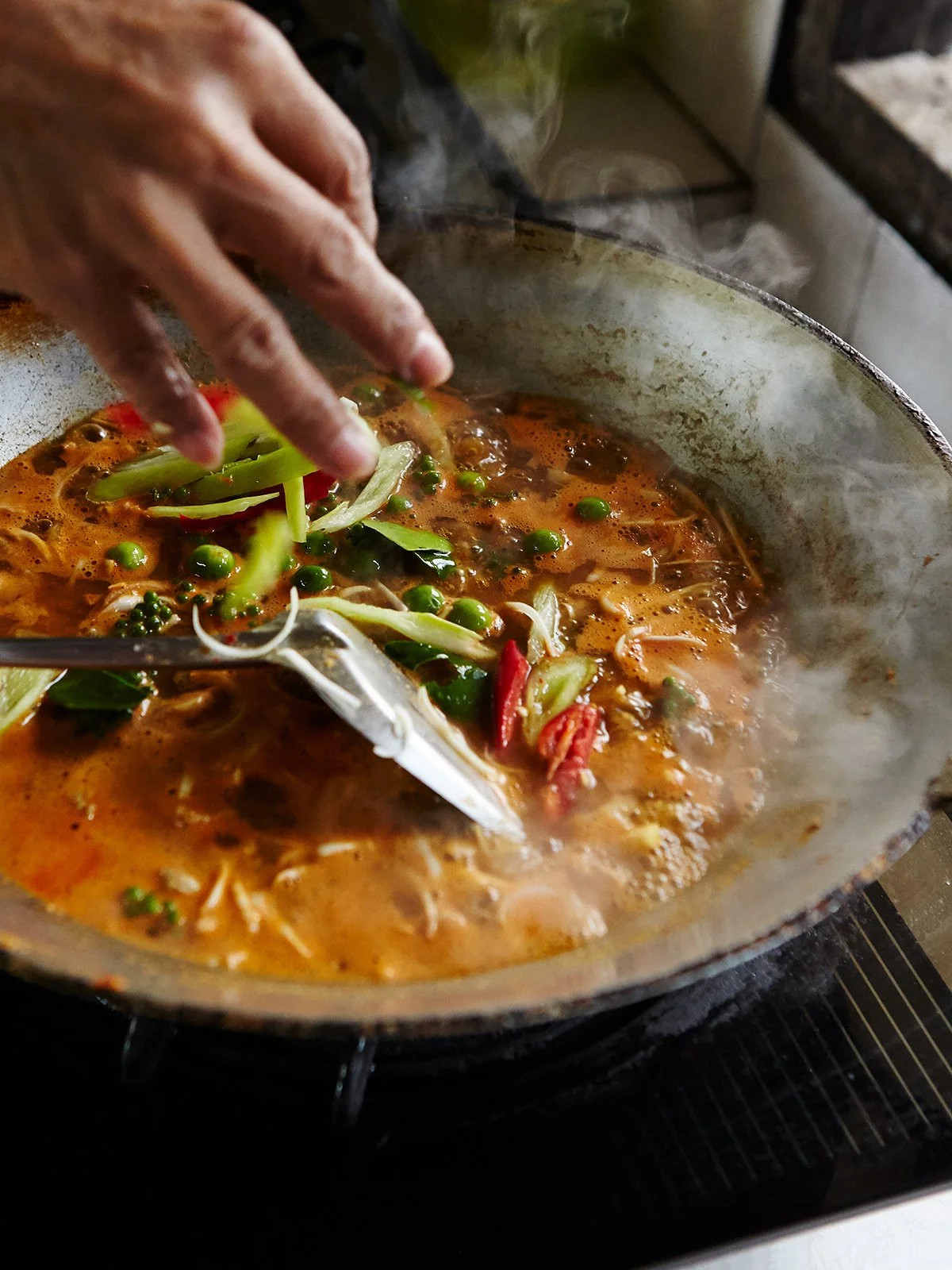
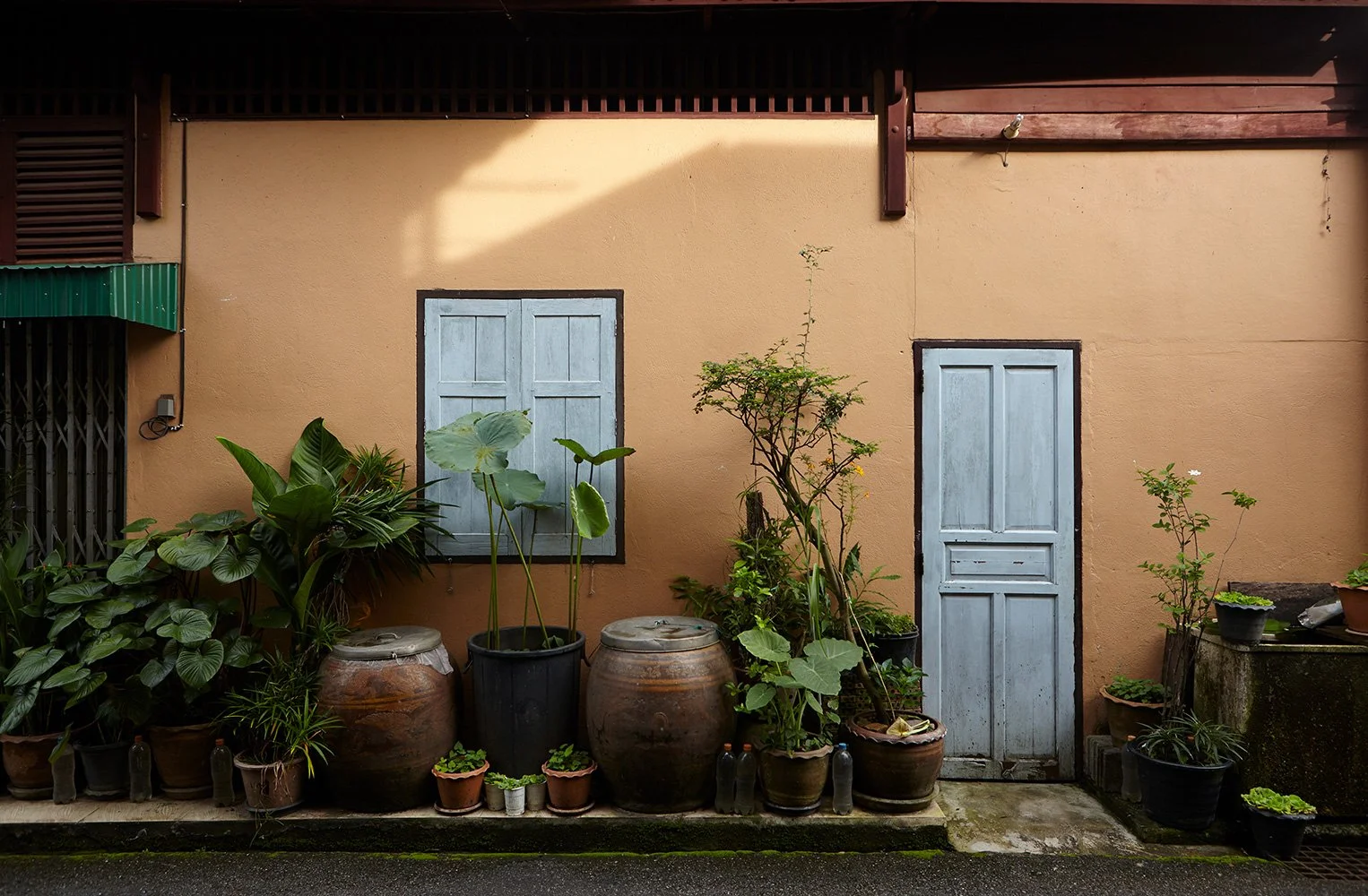
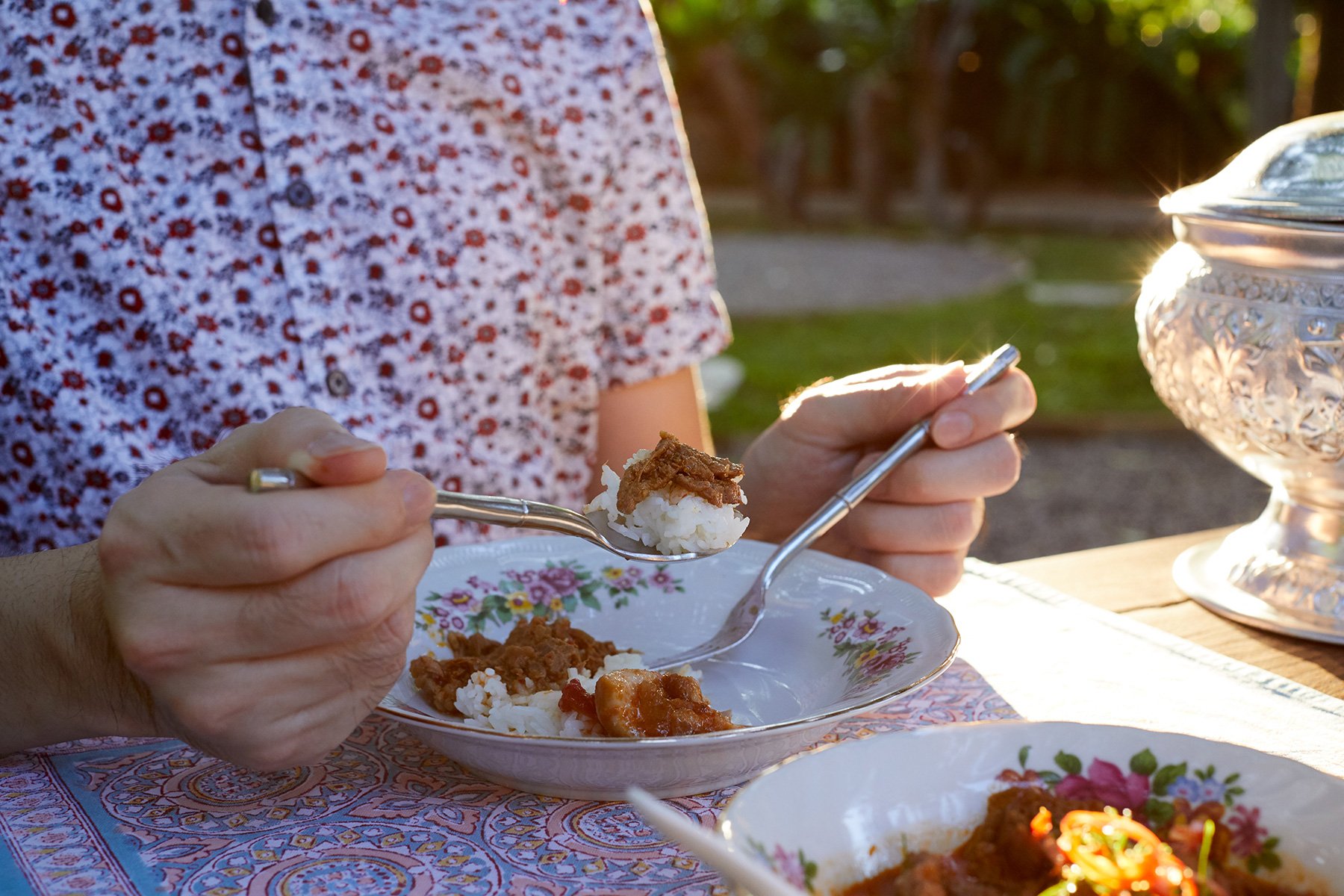
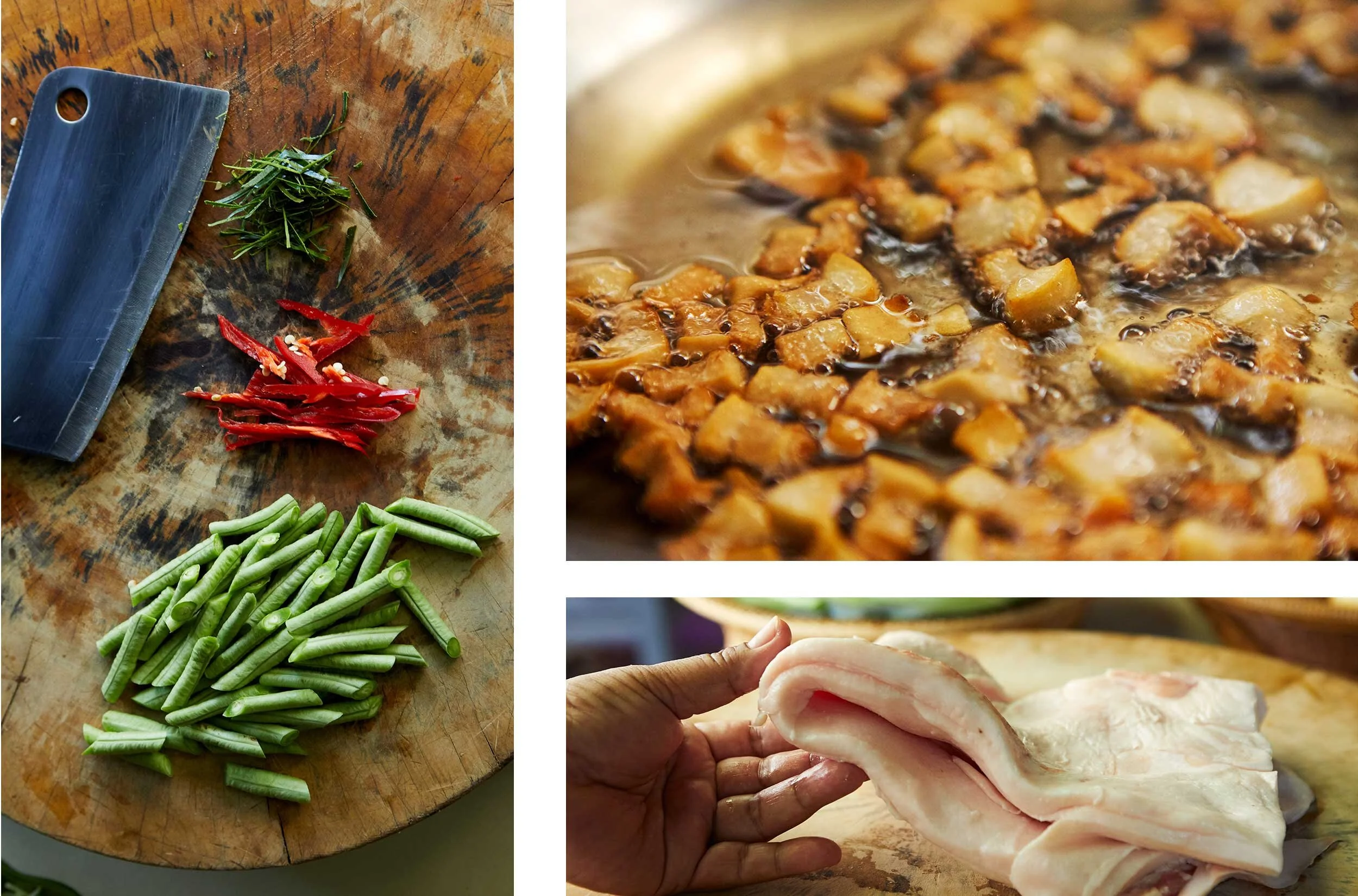
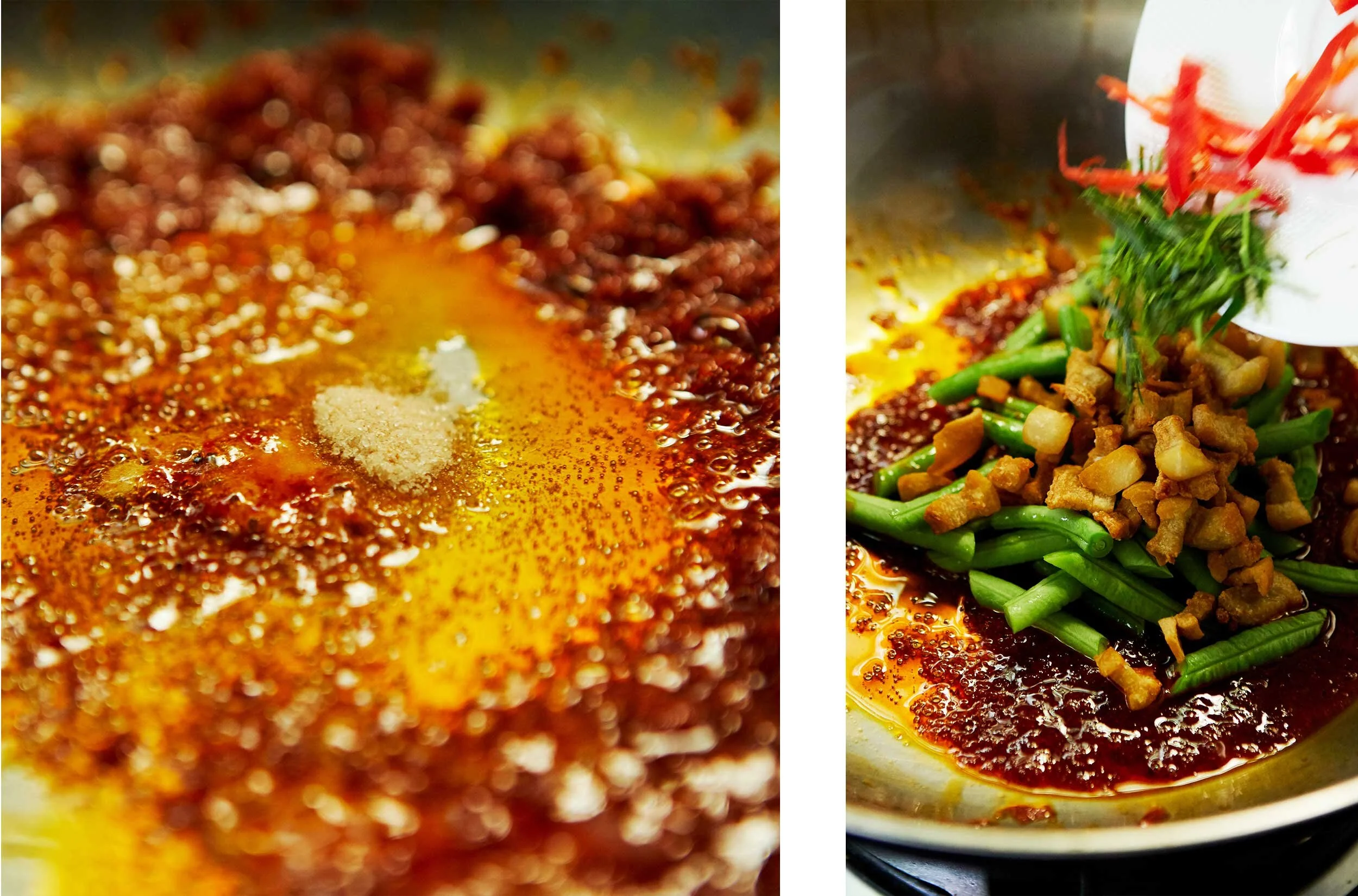
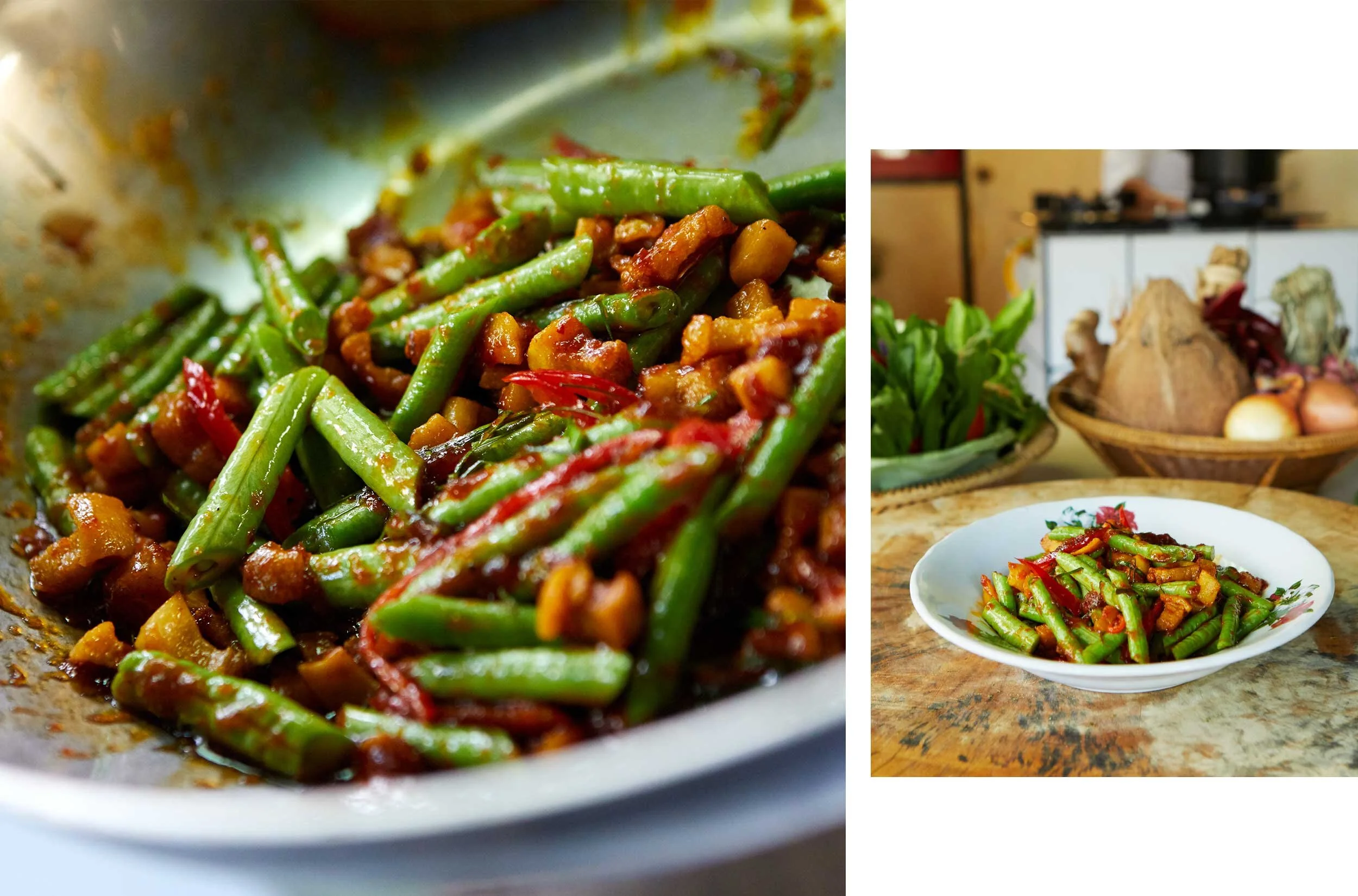
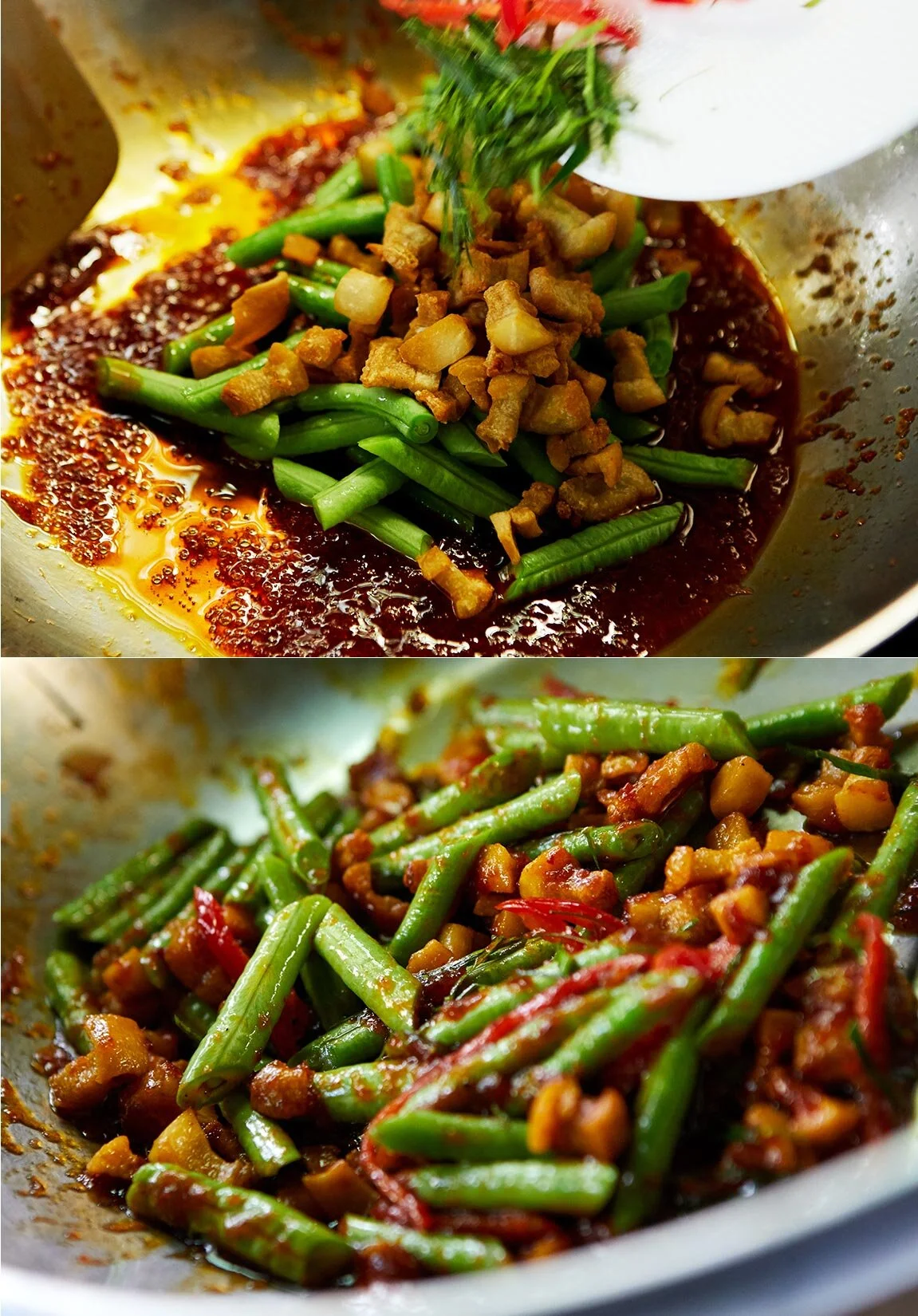
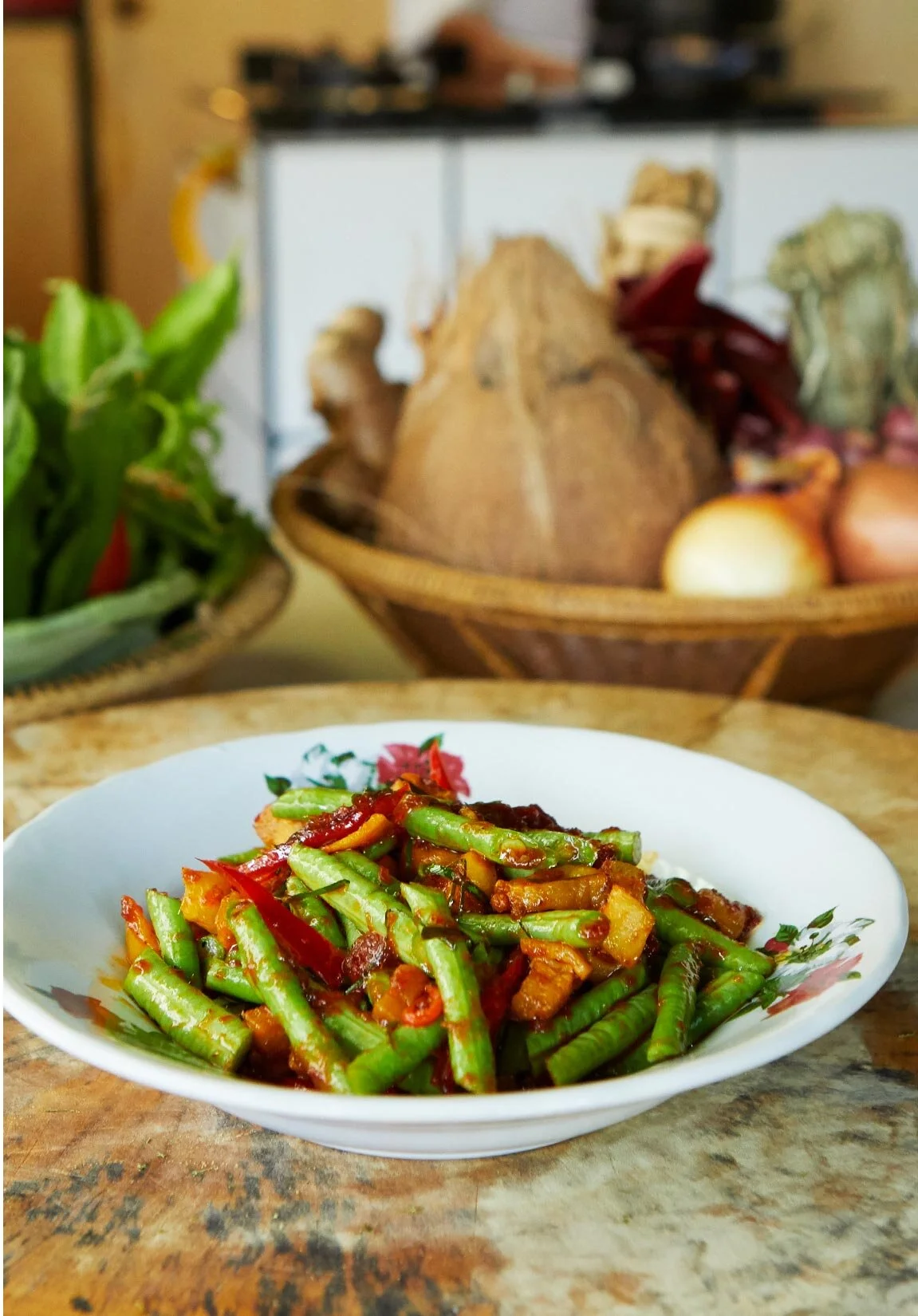
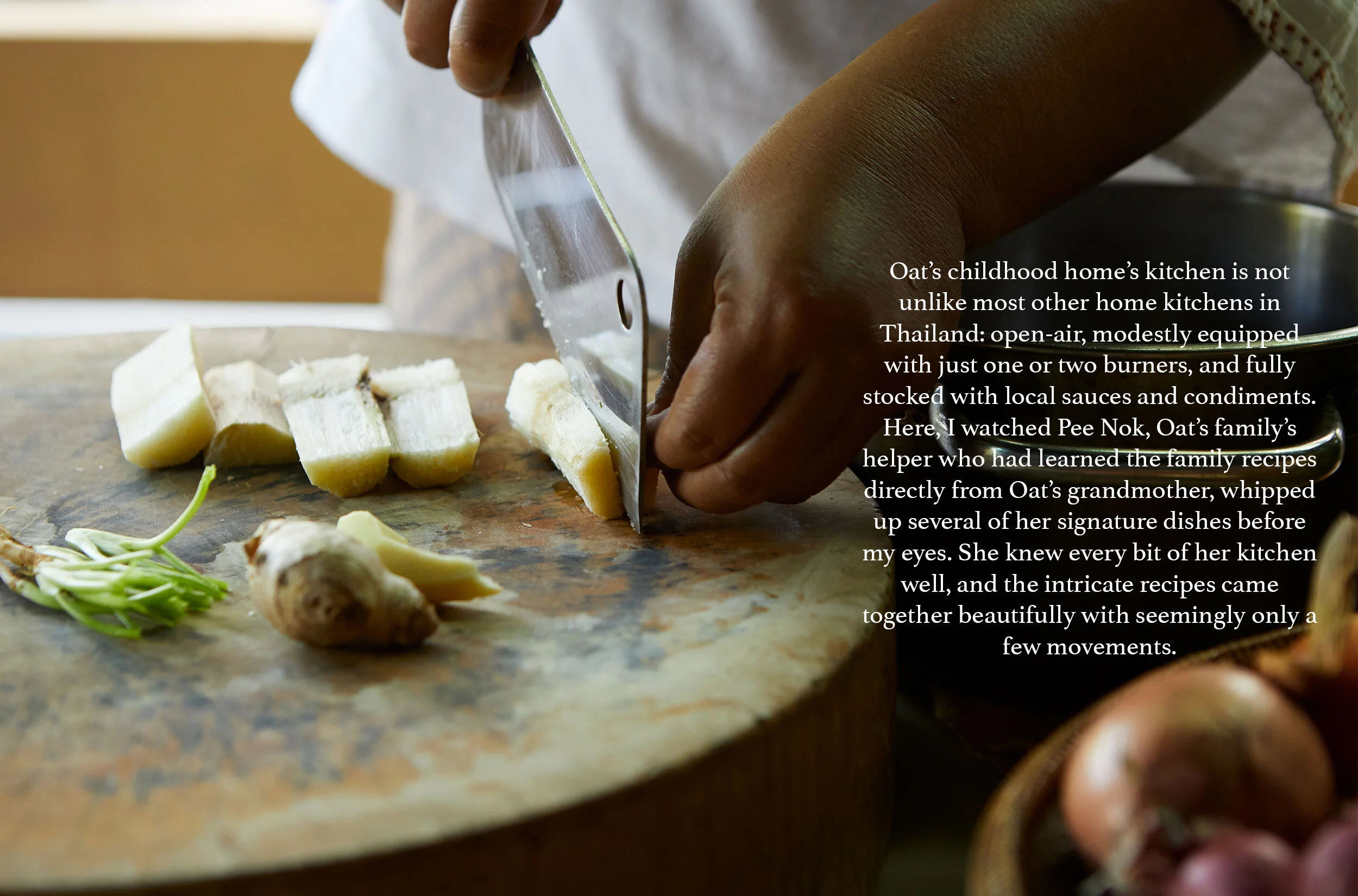
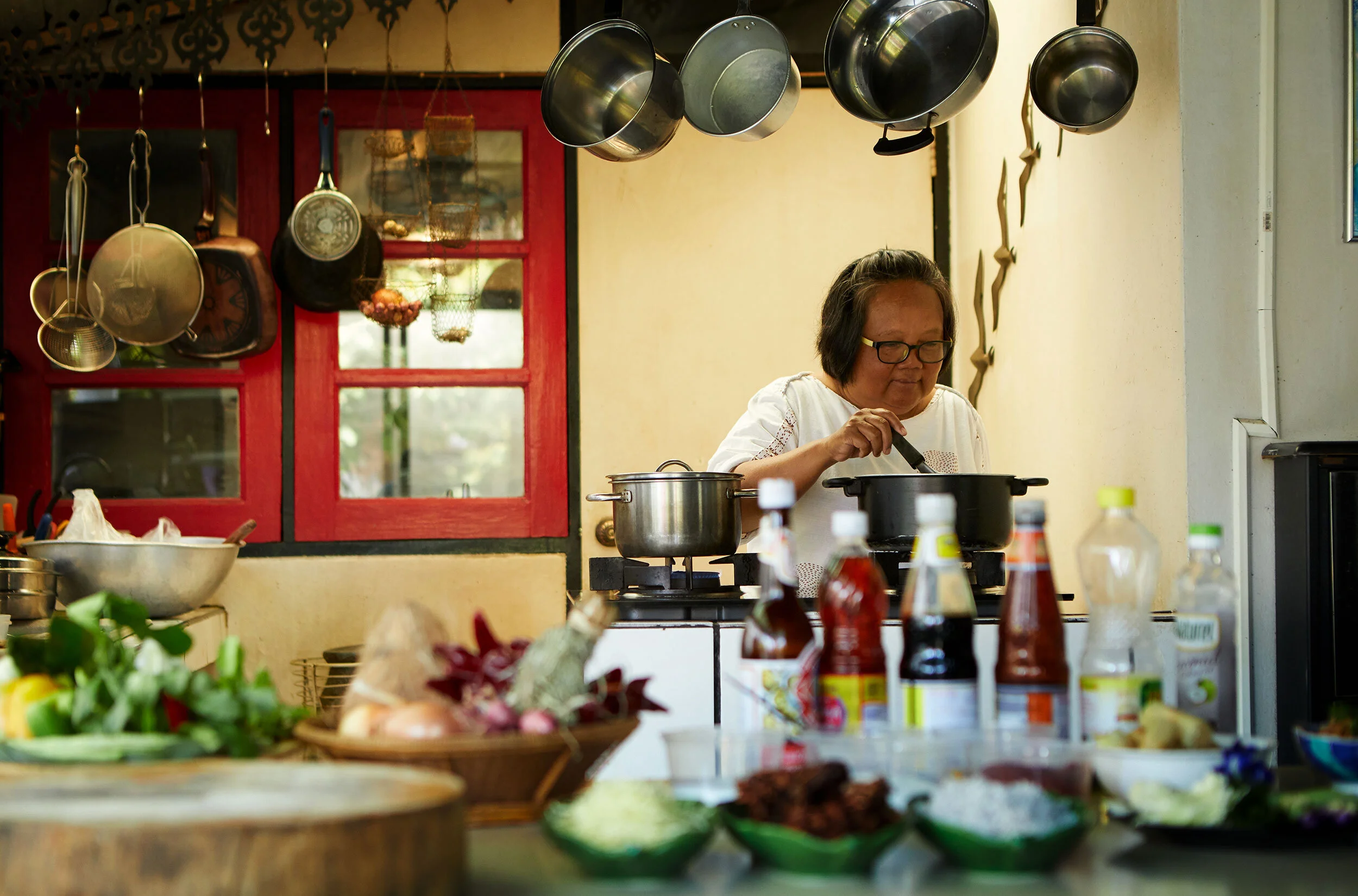
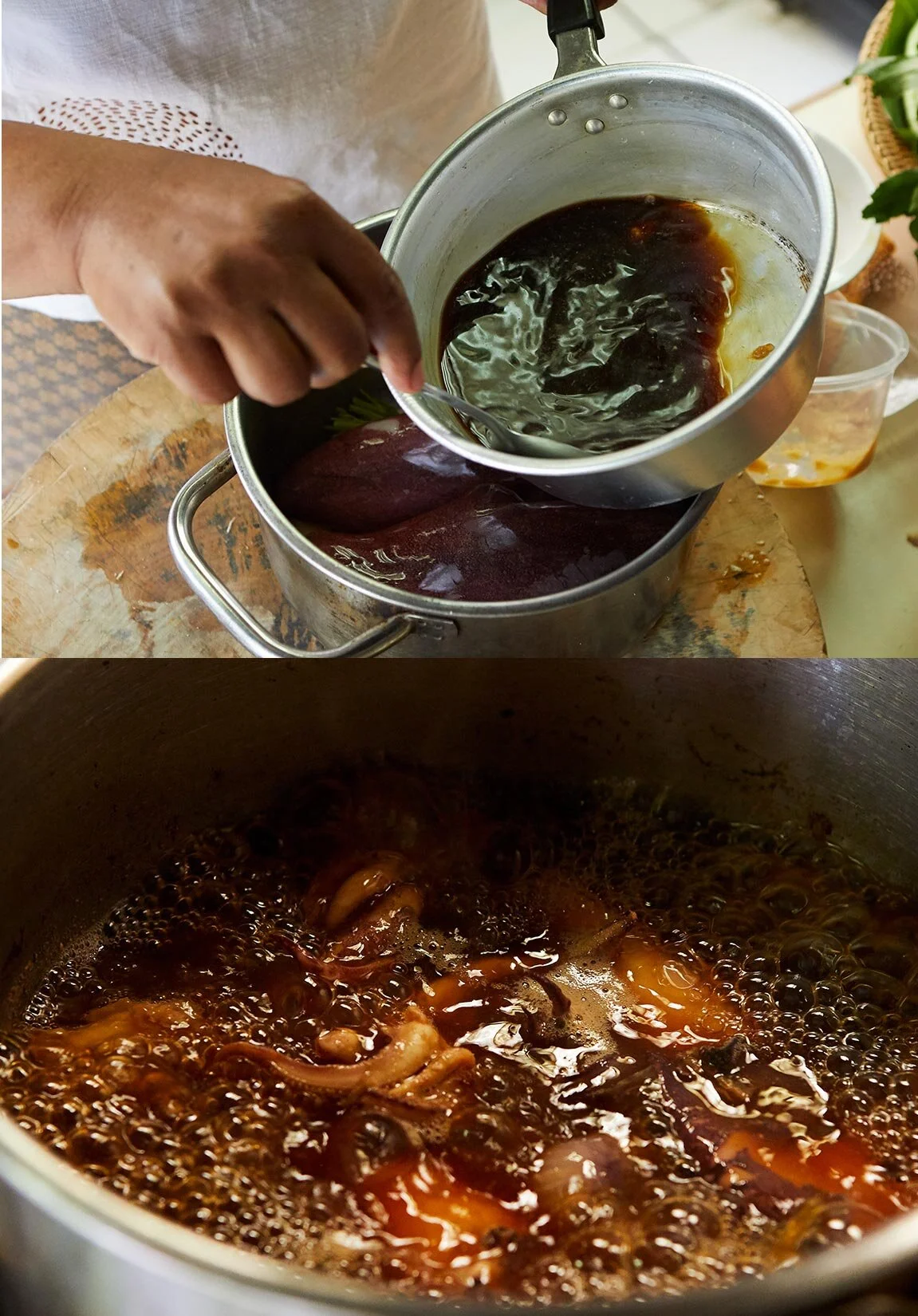
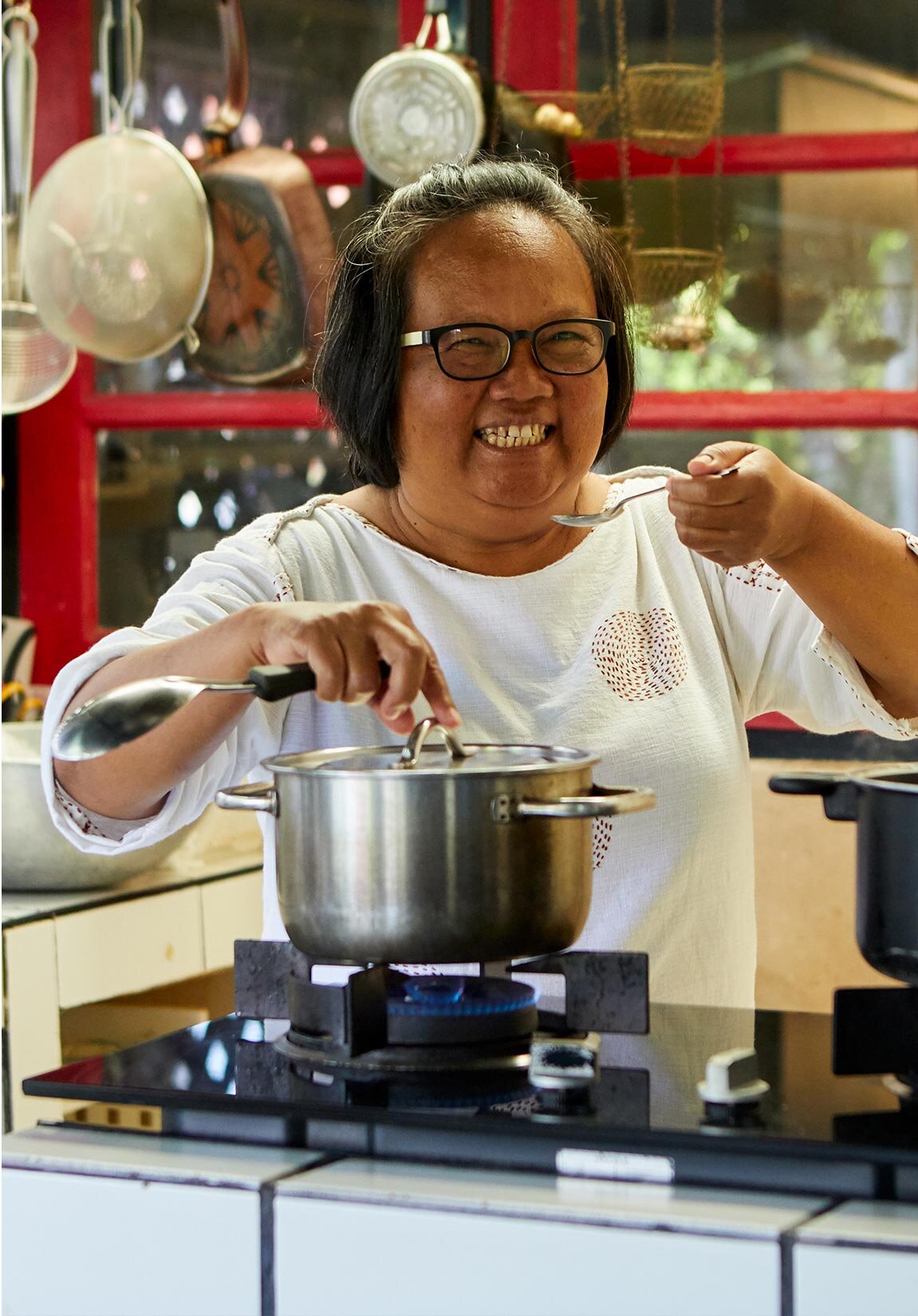
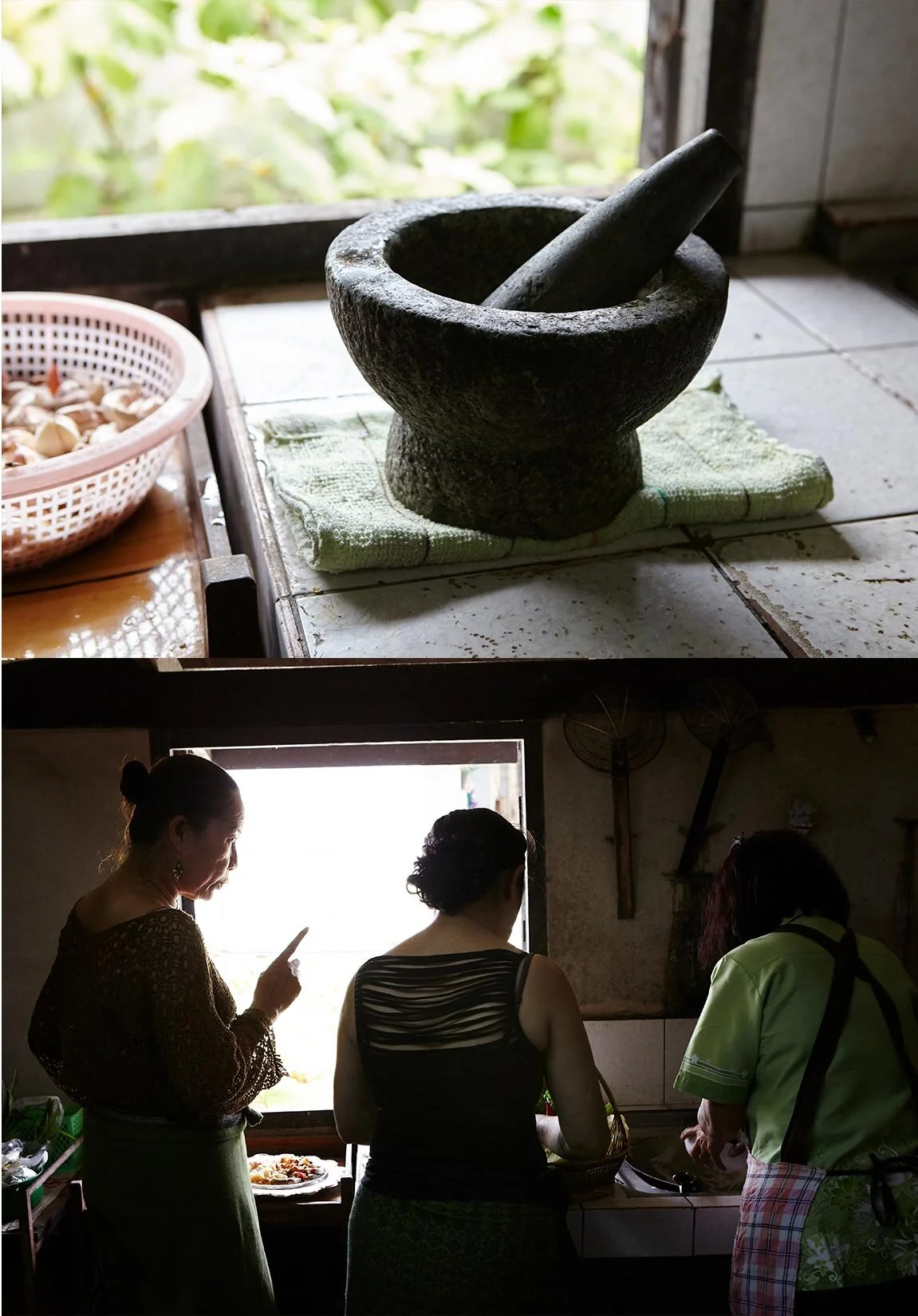
Khun Yai Ouan is Oat’s late grandmother’s little sister. We visited her in the very house where she and Oat’s grandmother lived together since their childhoods. Our afternoon with Khun Yai Oaun was spent listening to her accounts of Oat’s grandmother’s life and cooking. Together, we cooked one of her favorite dishes: Kaeng Pah Sup Pa Rod- a pork curry dish made with aromatic home-made curry paste and young pineapple shoot. This dish, and others using the same curry paste and herbs, are very common in Trat and eastern Thailand.

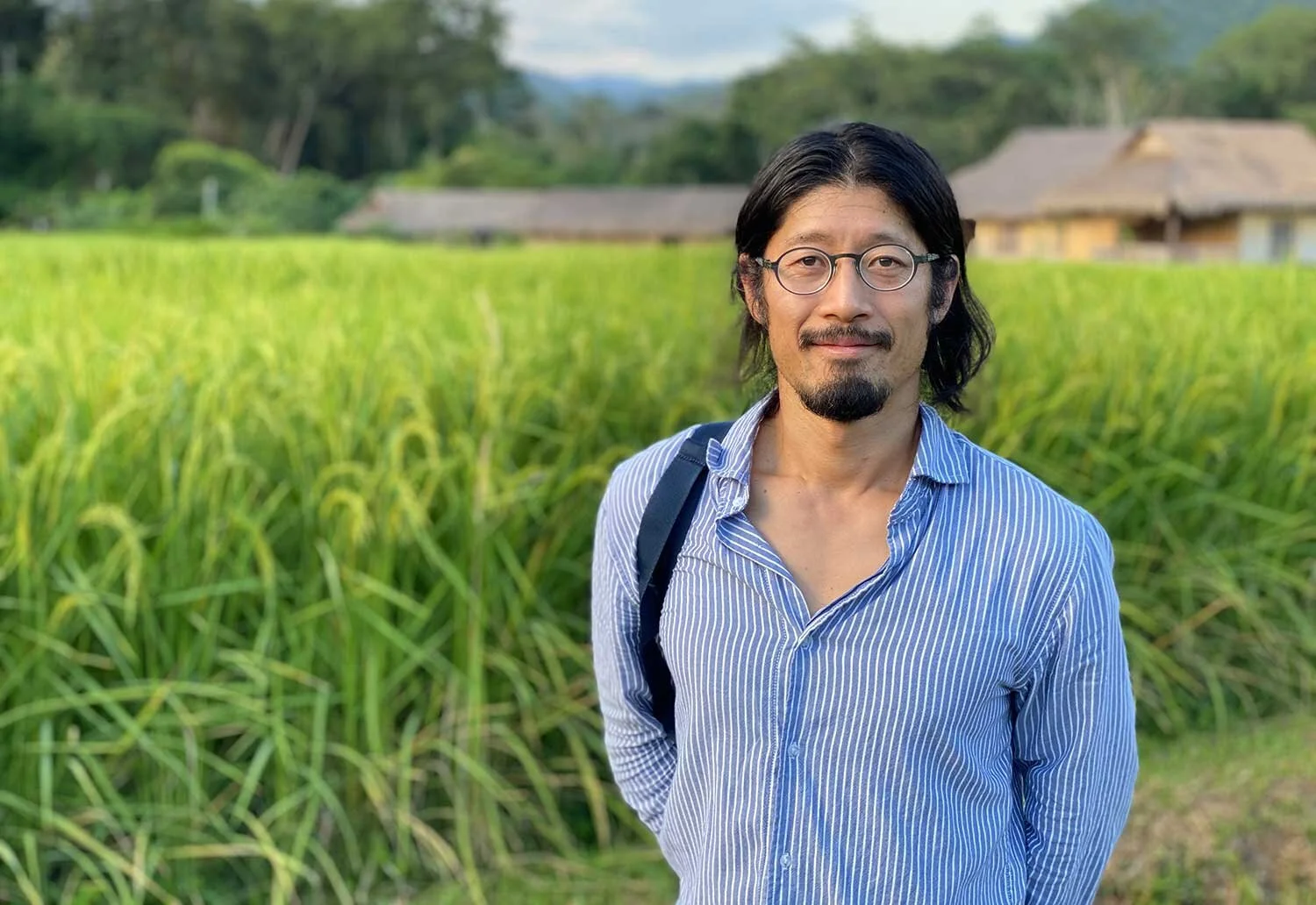
My friend Oat in his late grandmother’s old wooden home in Trat.
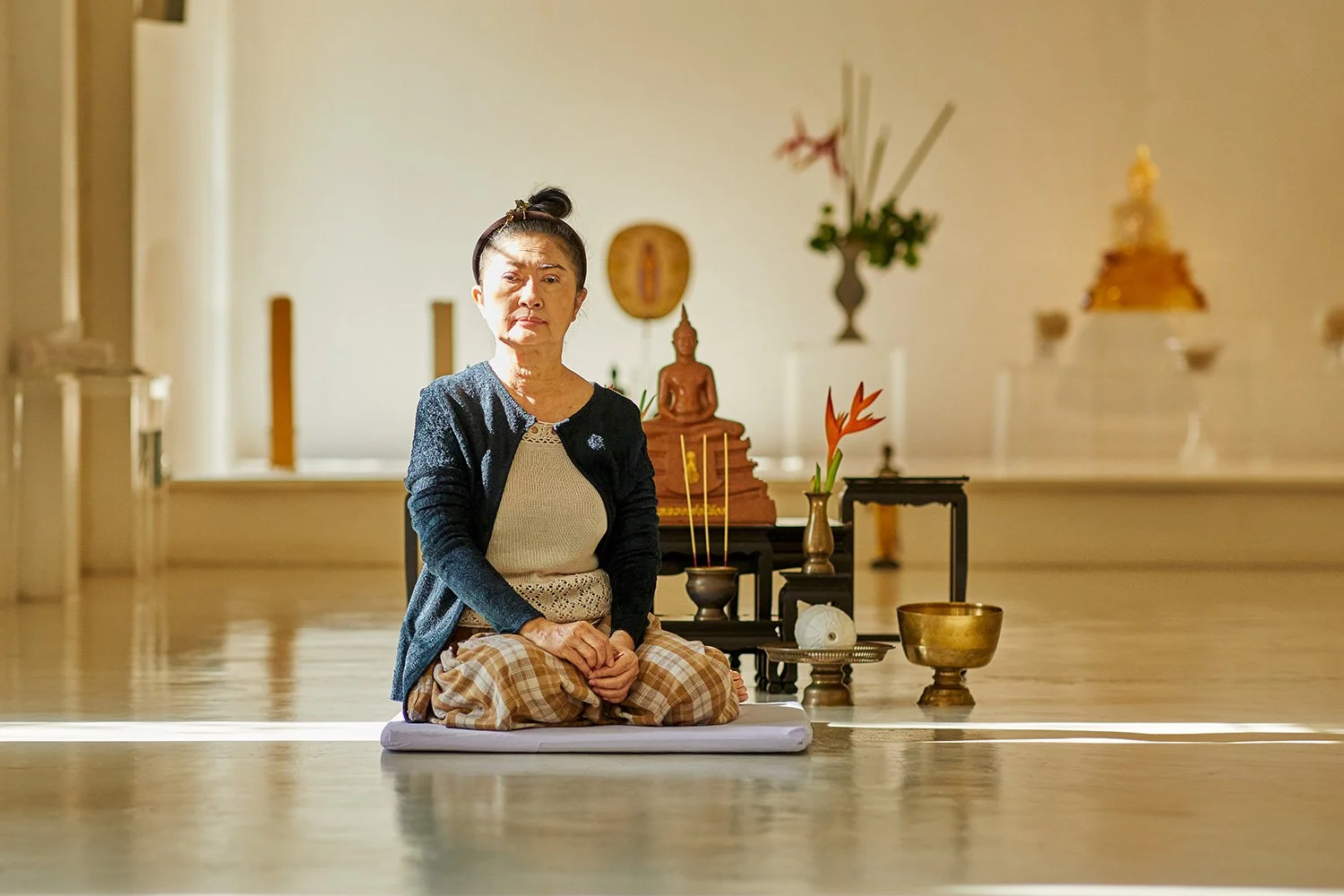
Oat’s mom, Jym, in the Vipassana meditation hall which she and Oat’s family built to teach Mindfulness meditation. Thailand’s strong Buddhist roots are exemplified in the Thai people’s balanced way of life.

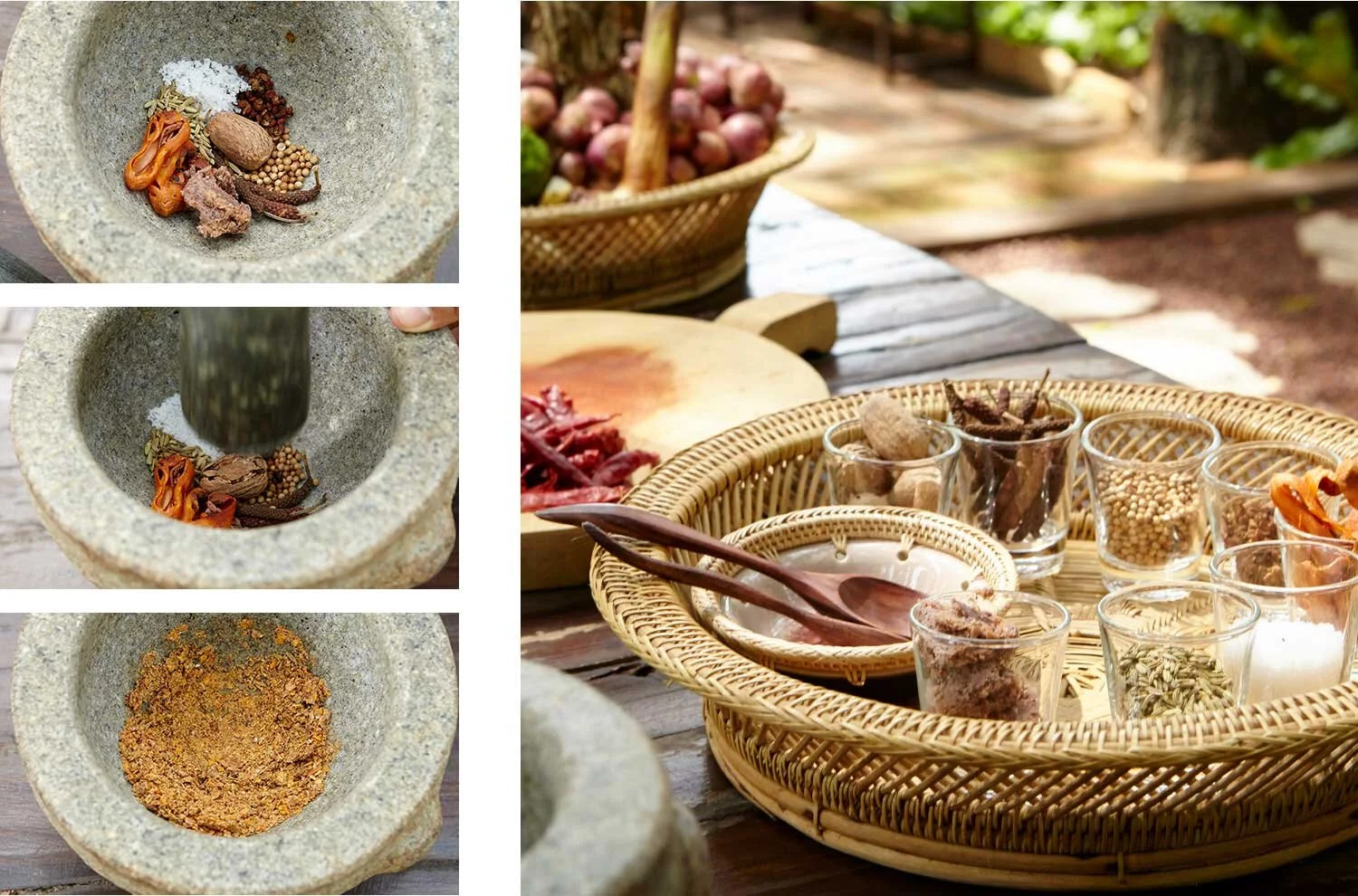
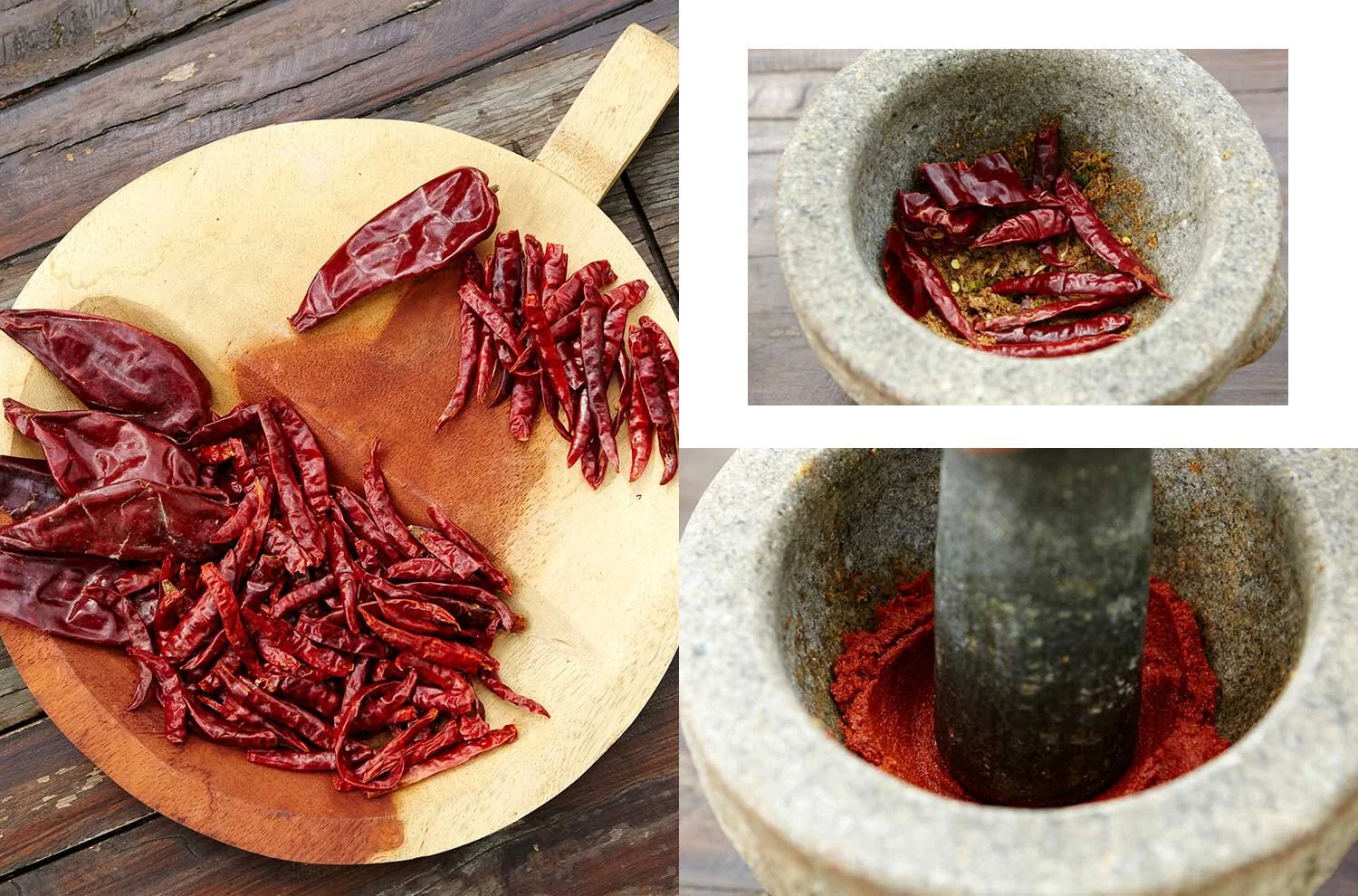
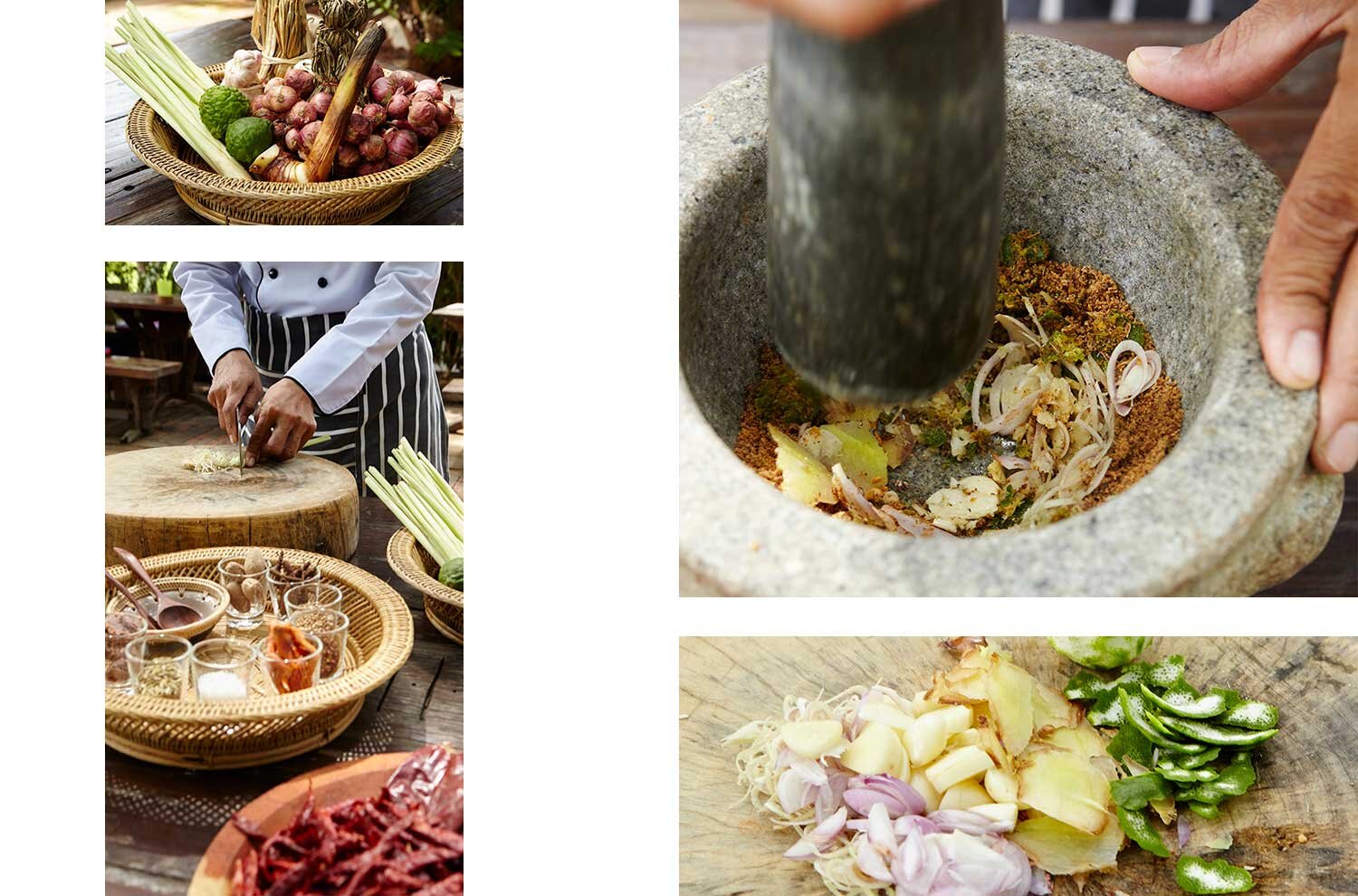
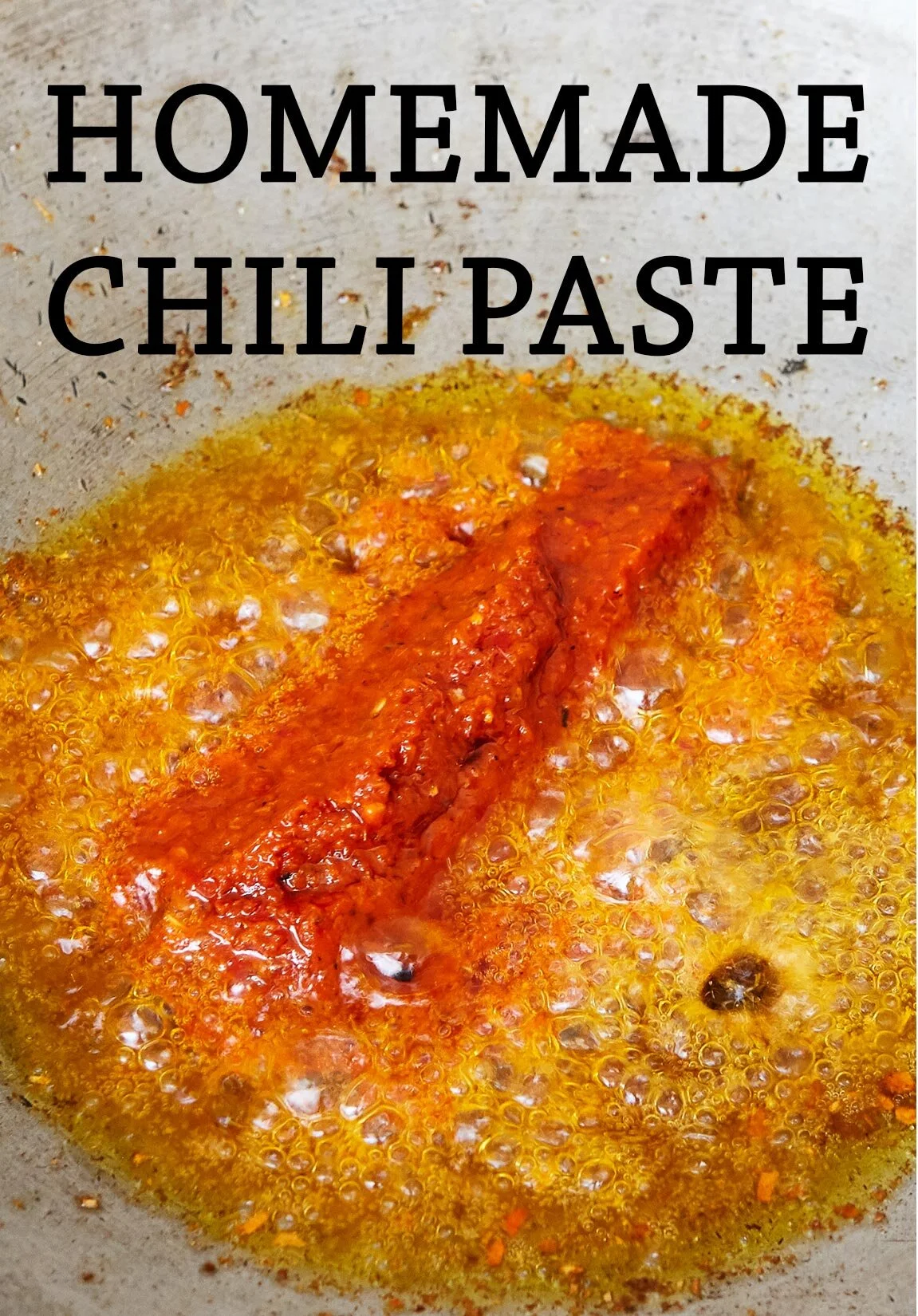
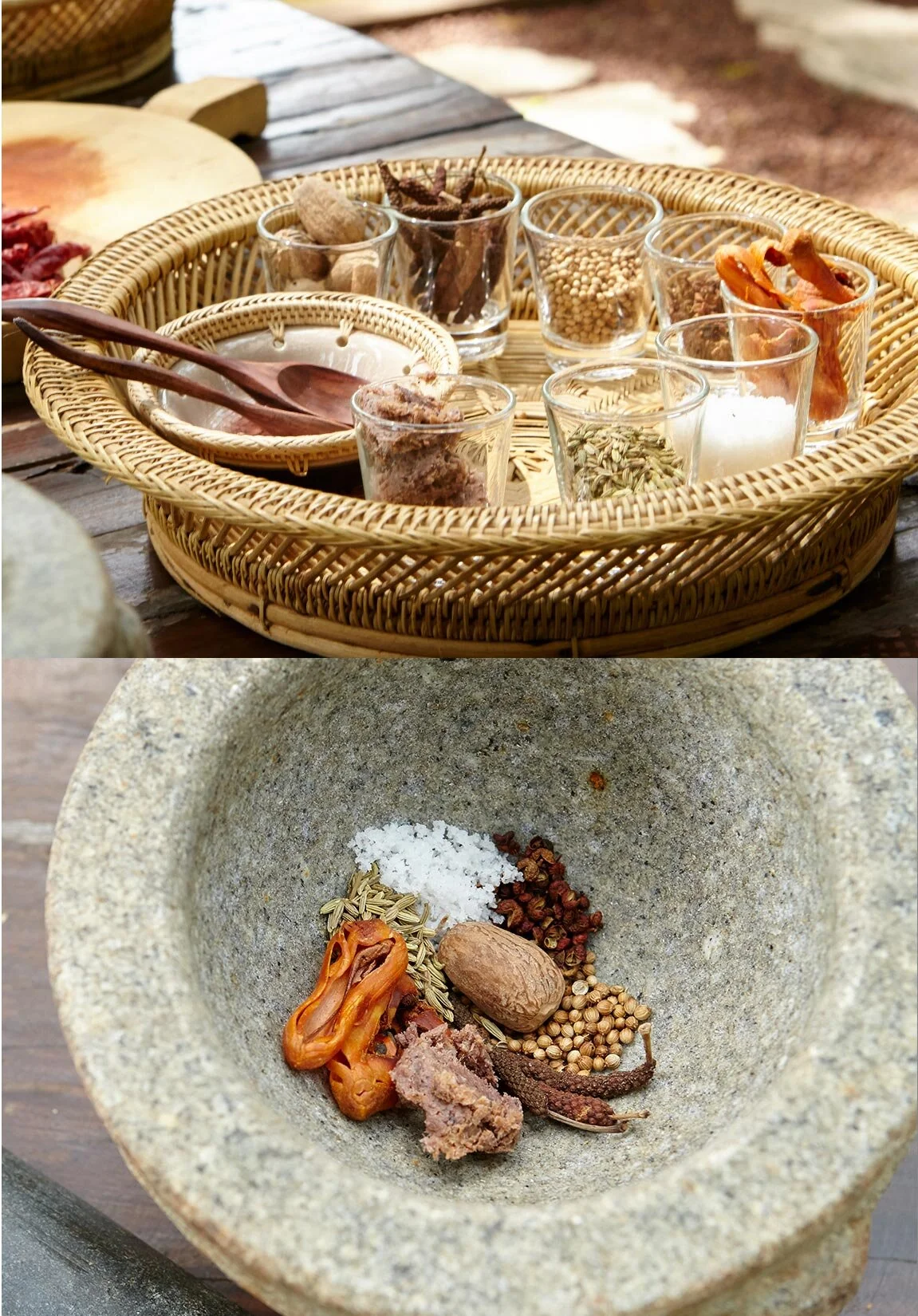
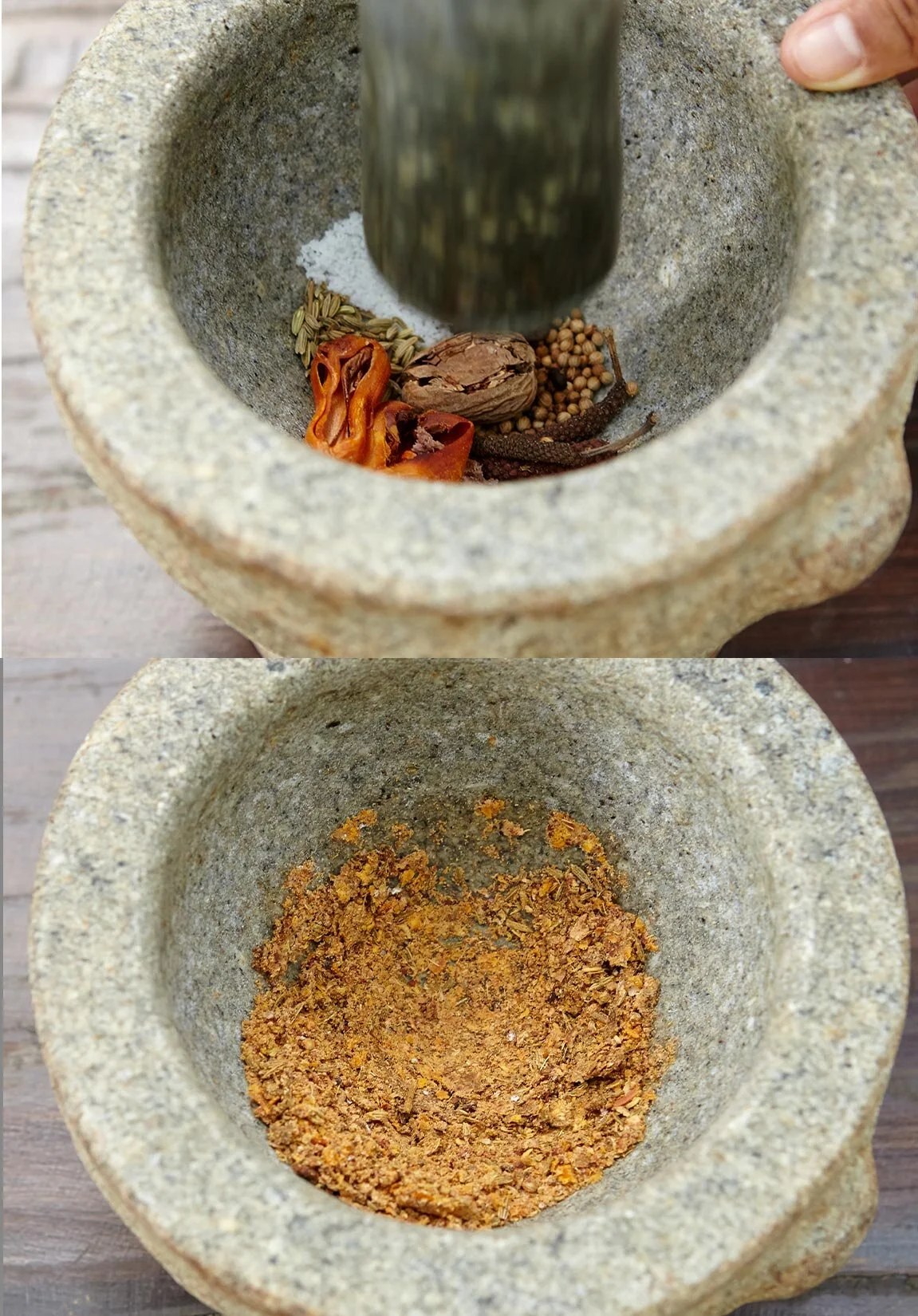
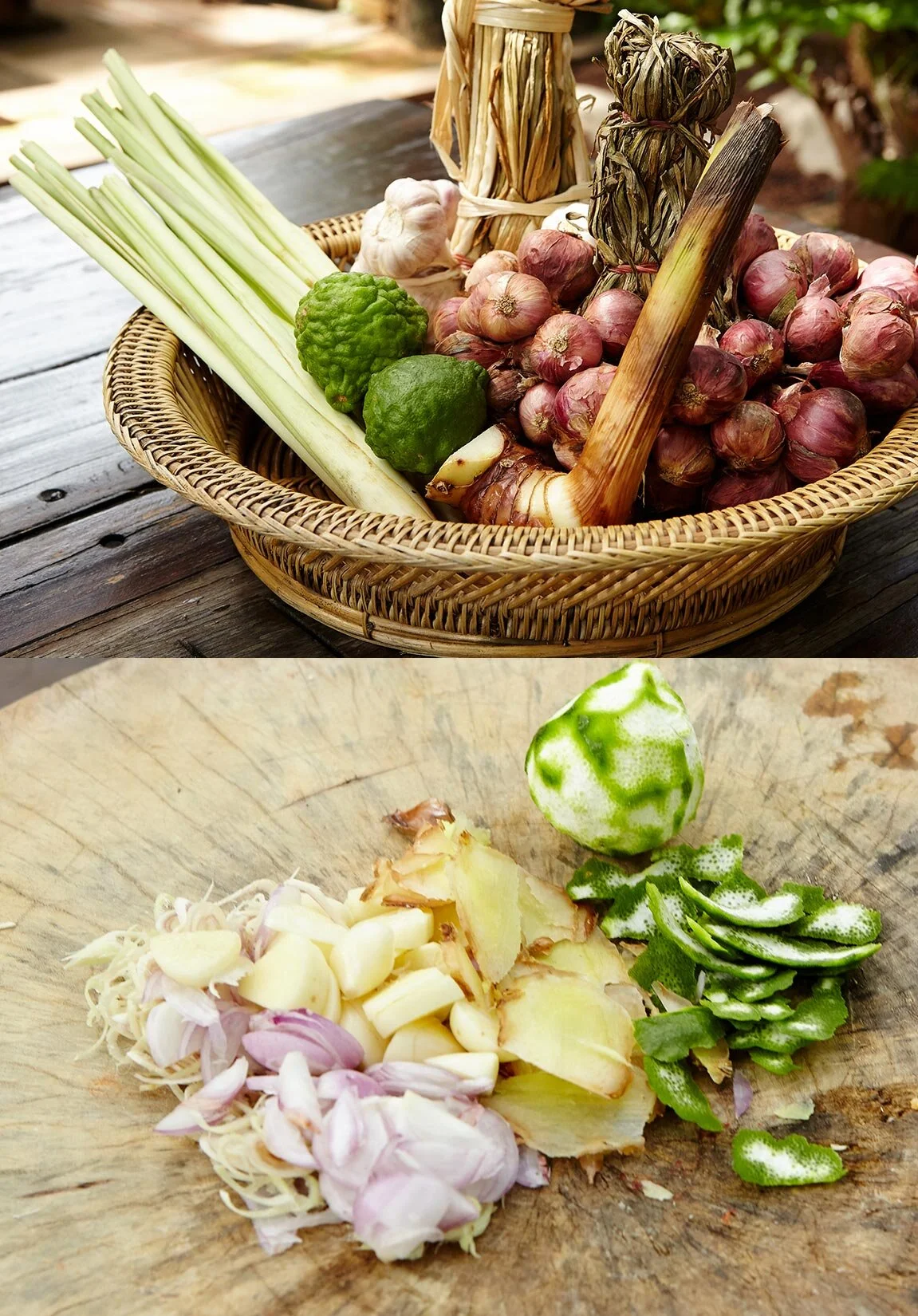
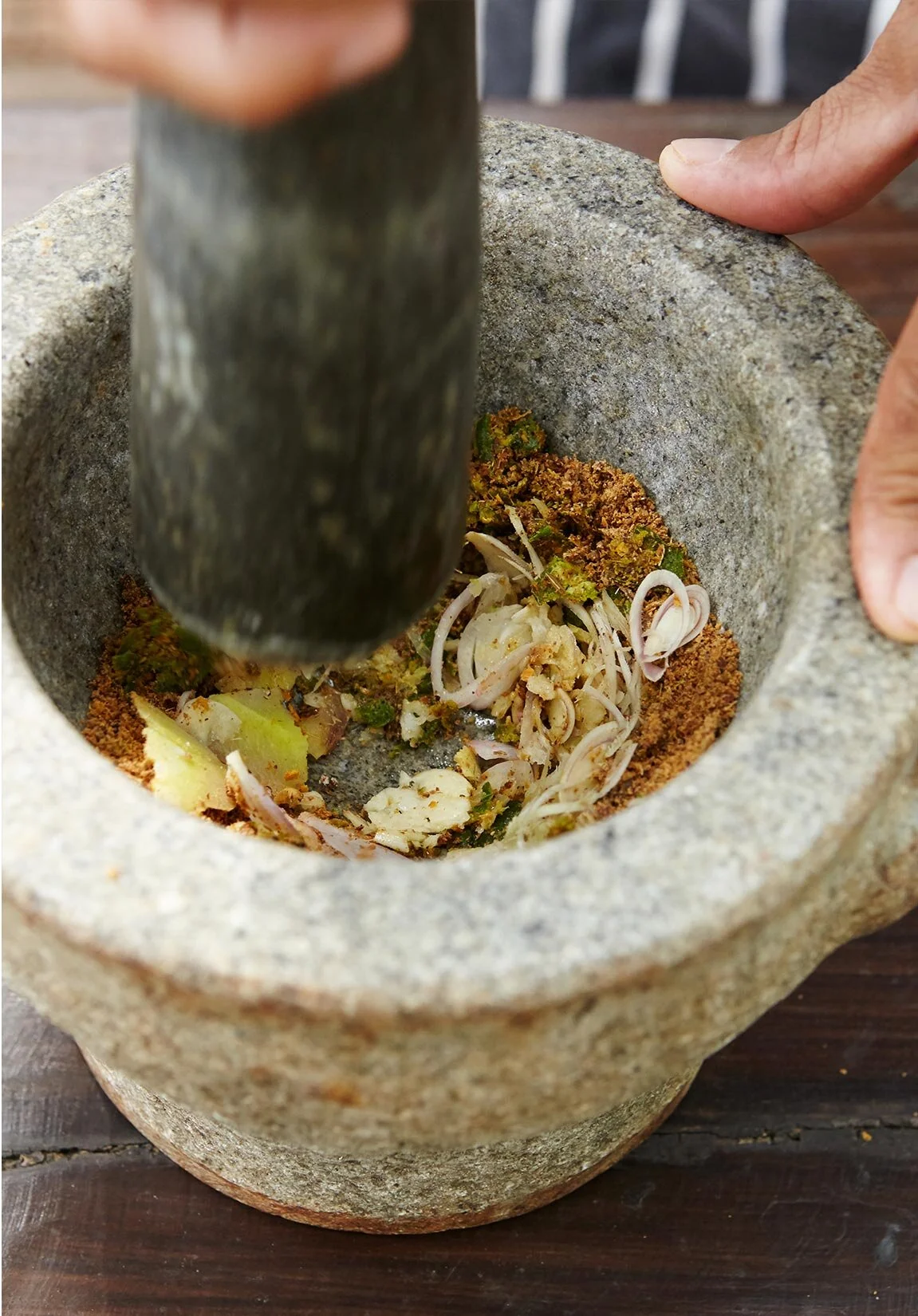
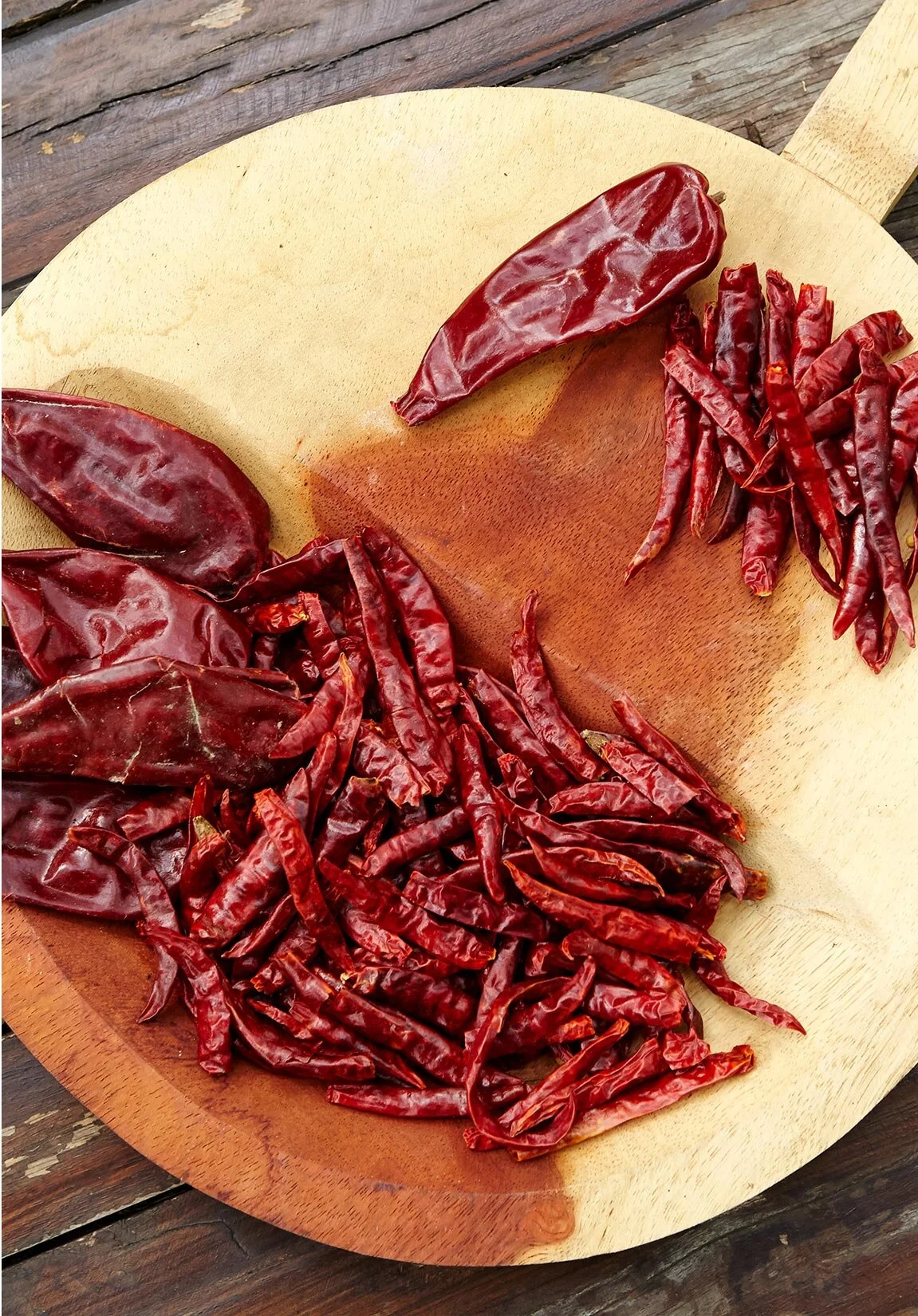
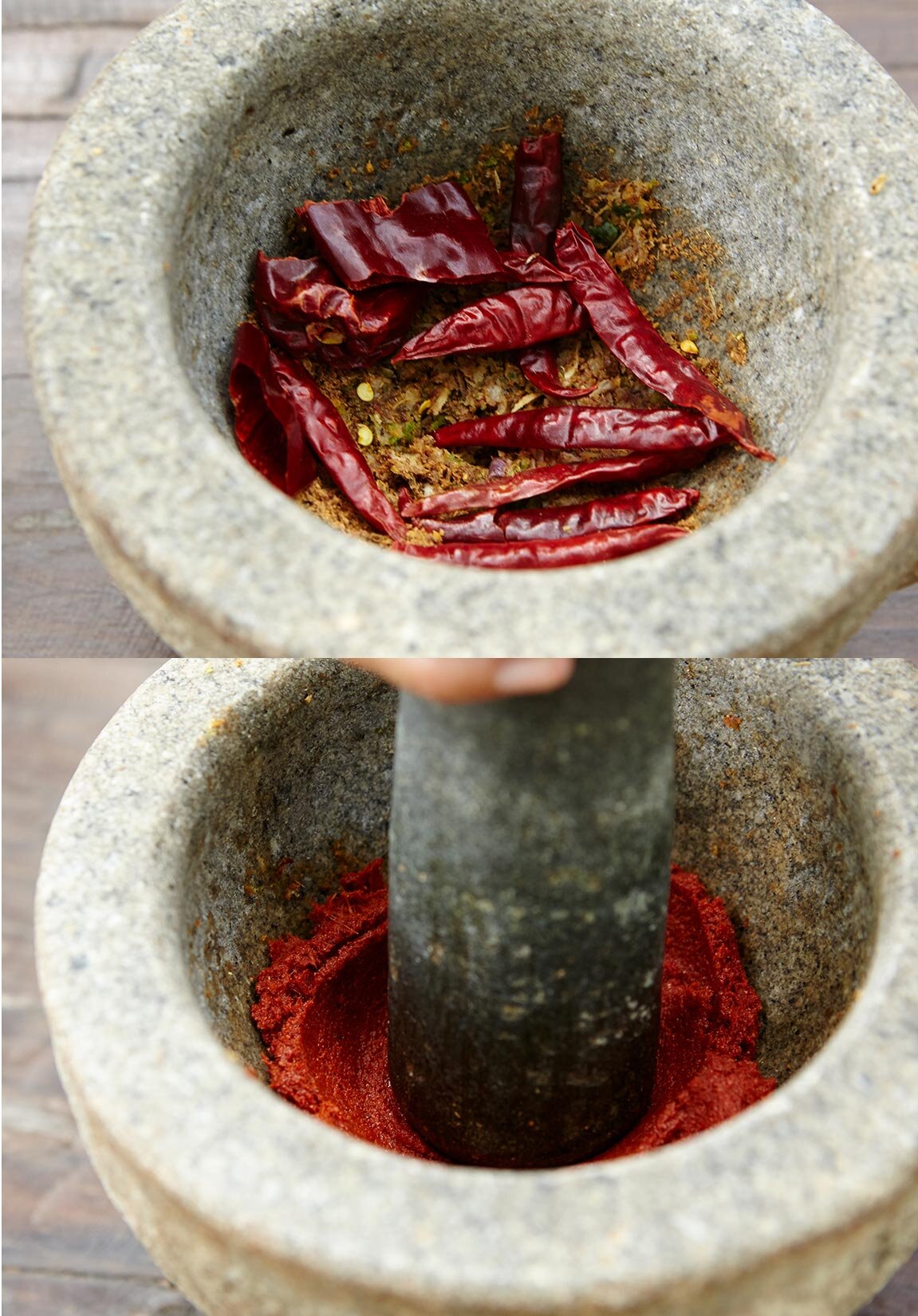
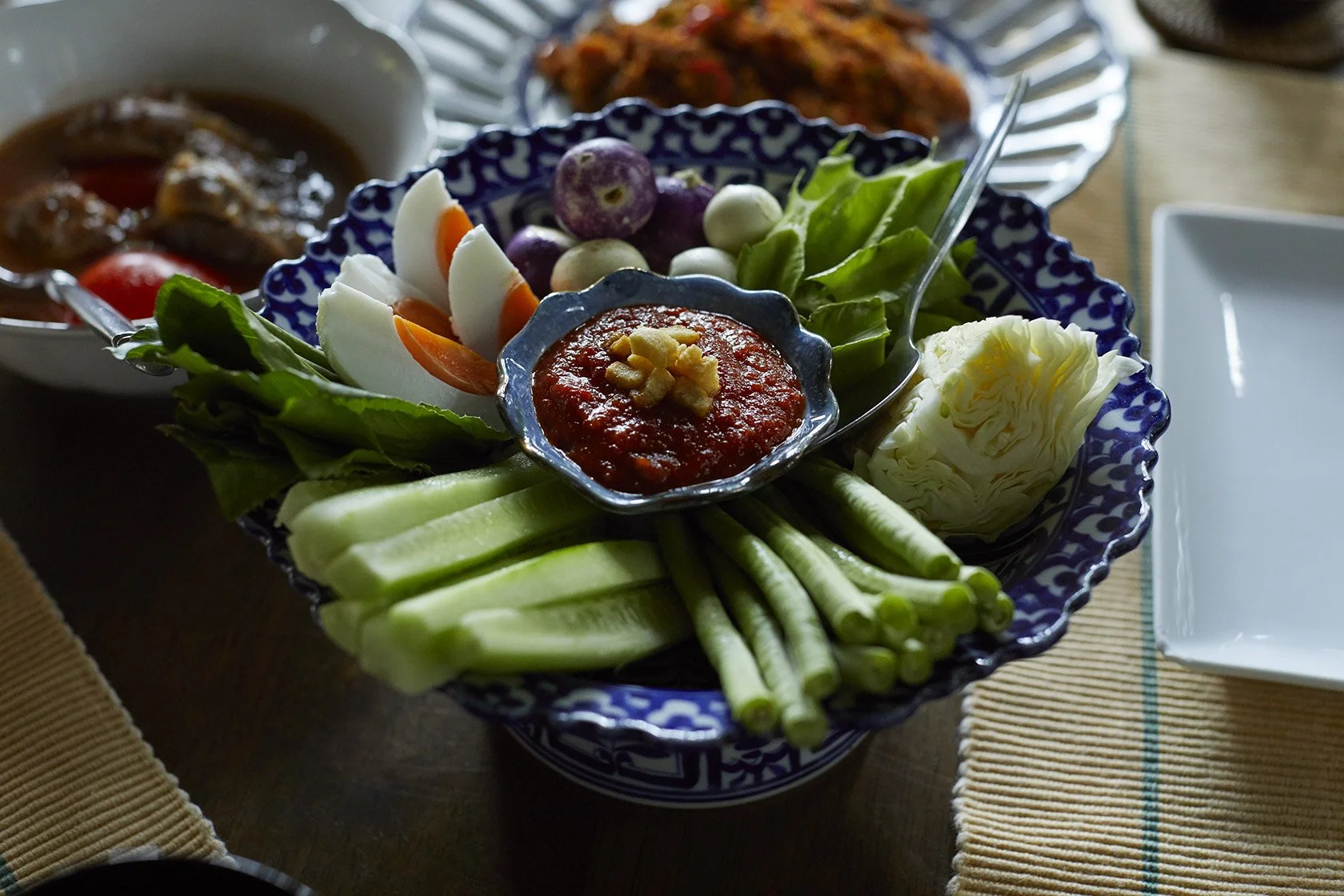
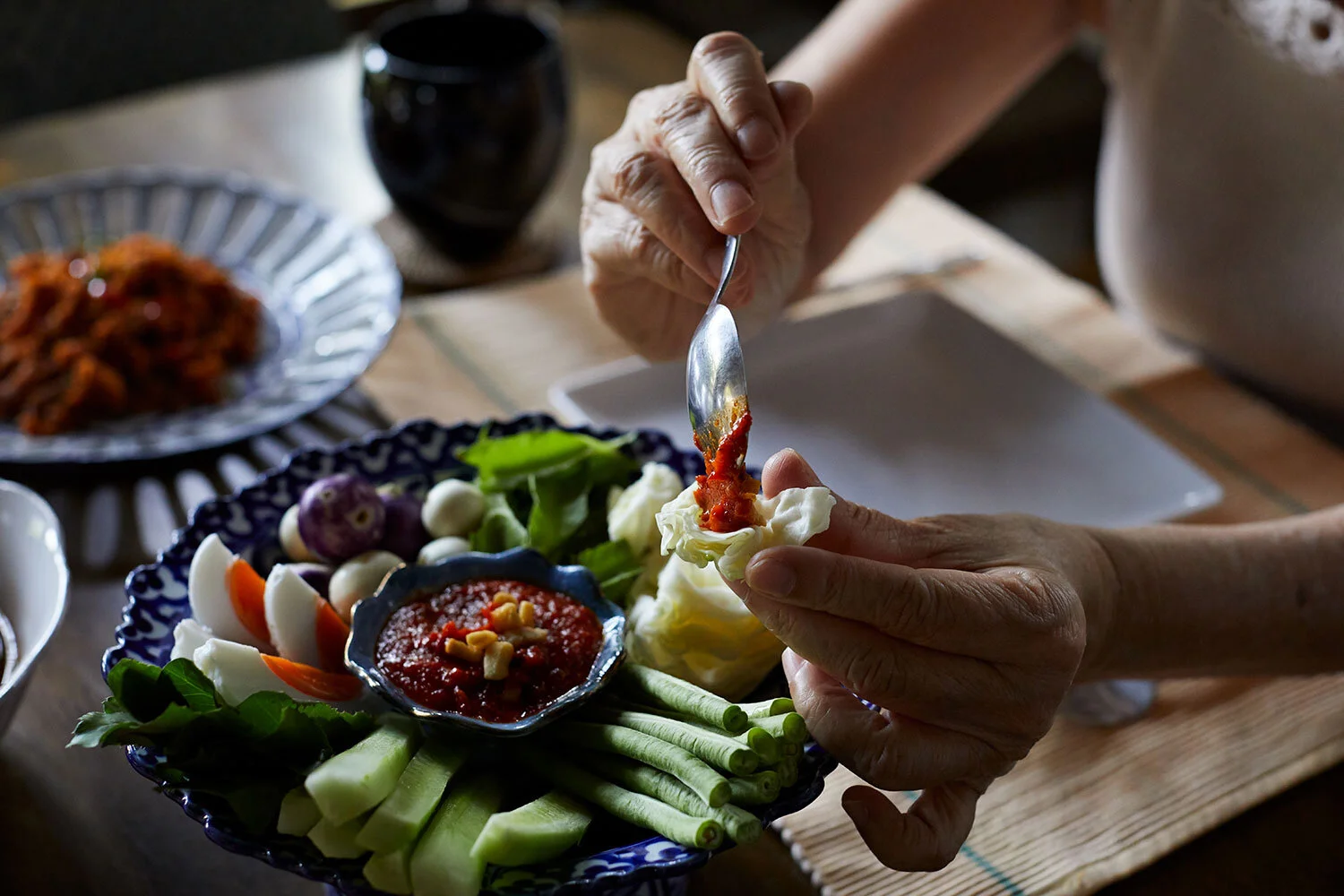
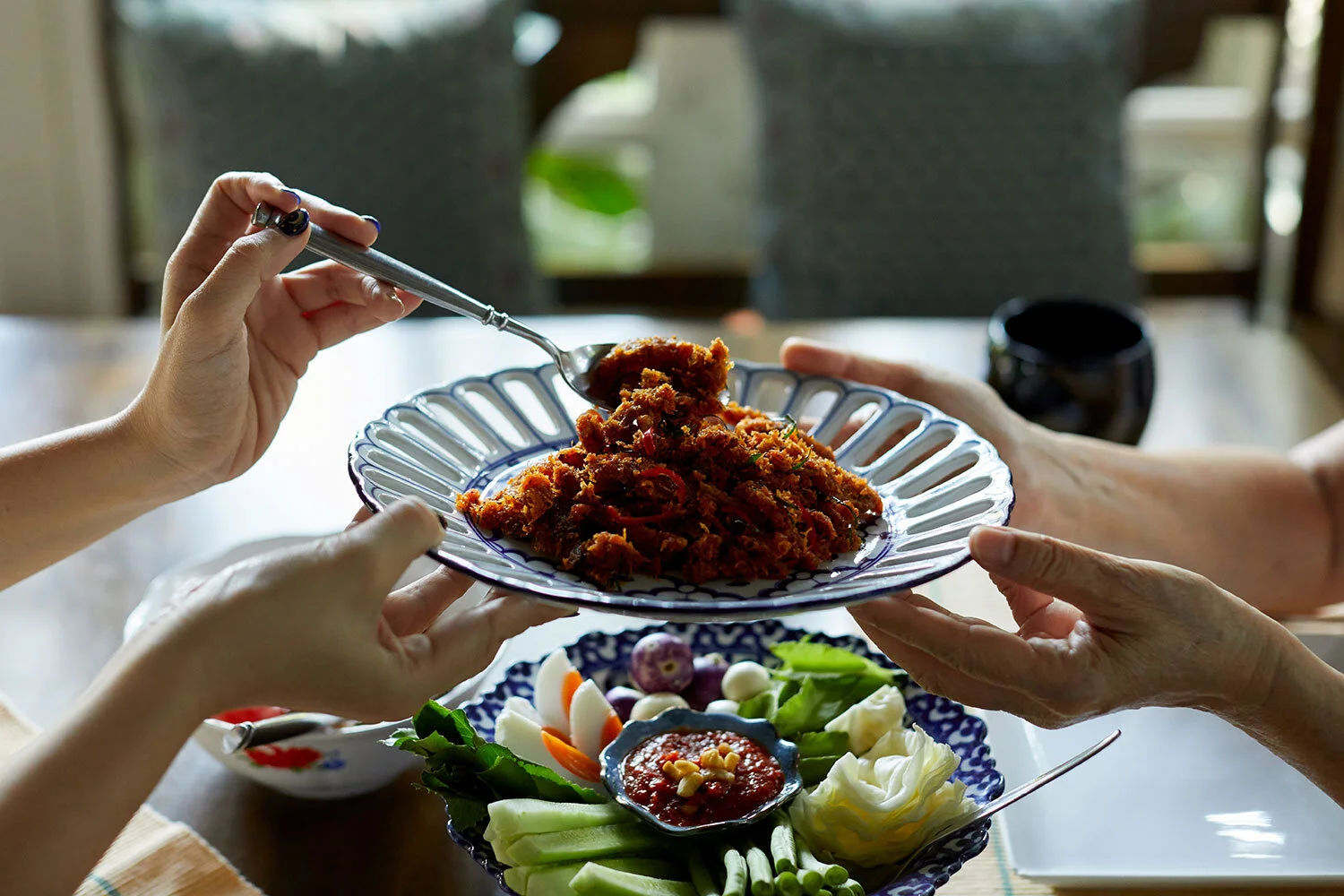
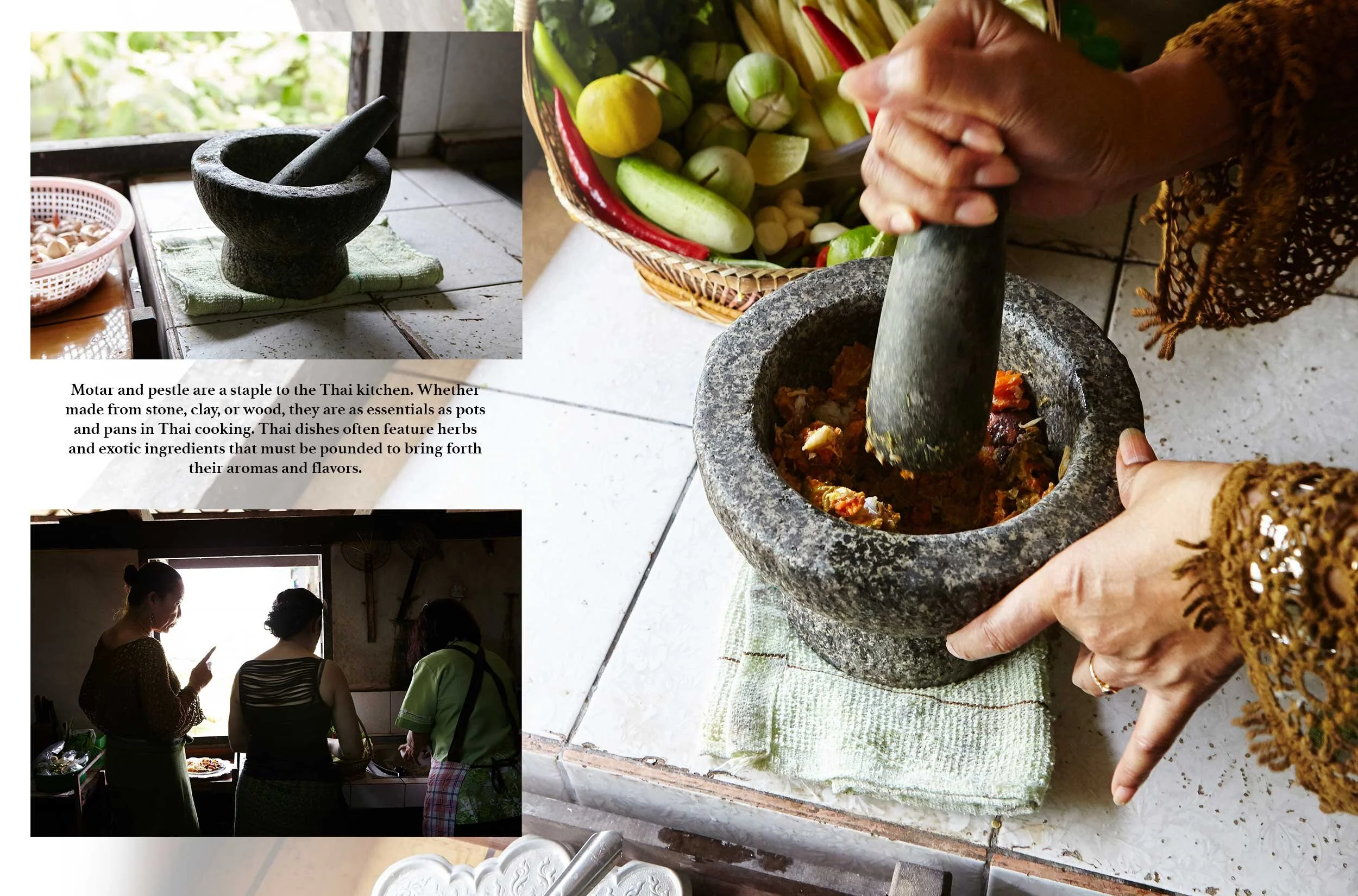
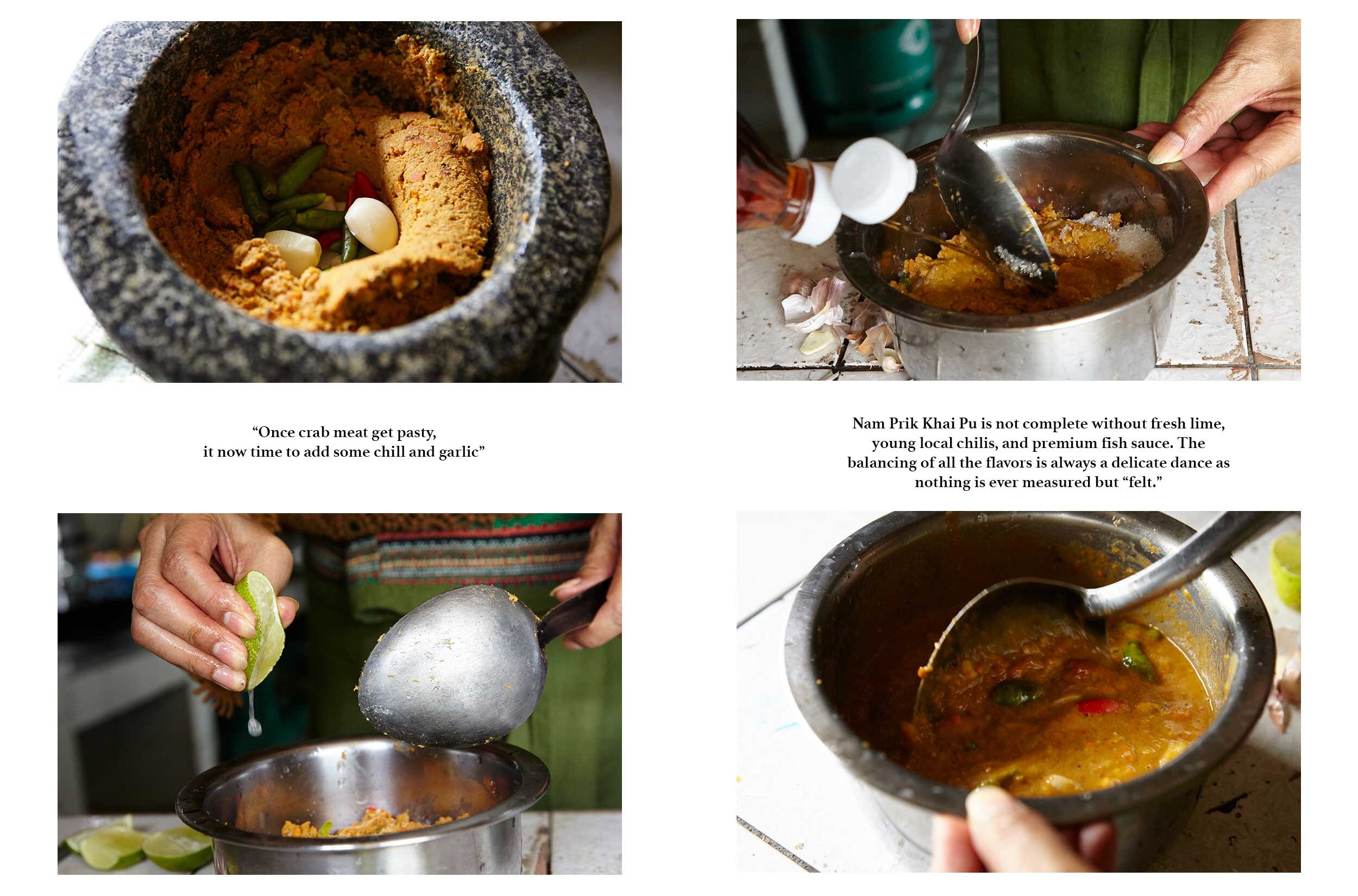
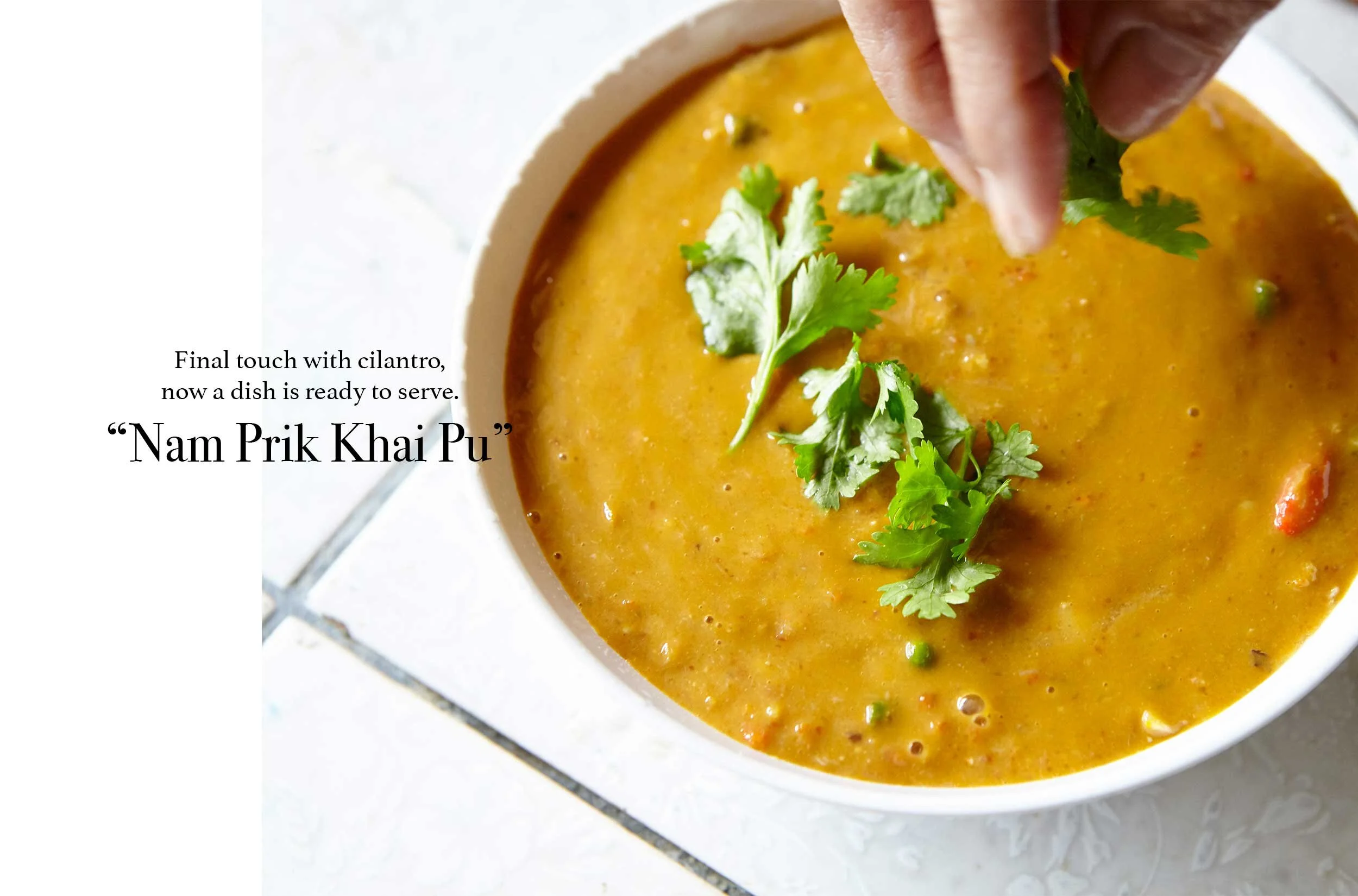
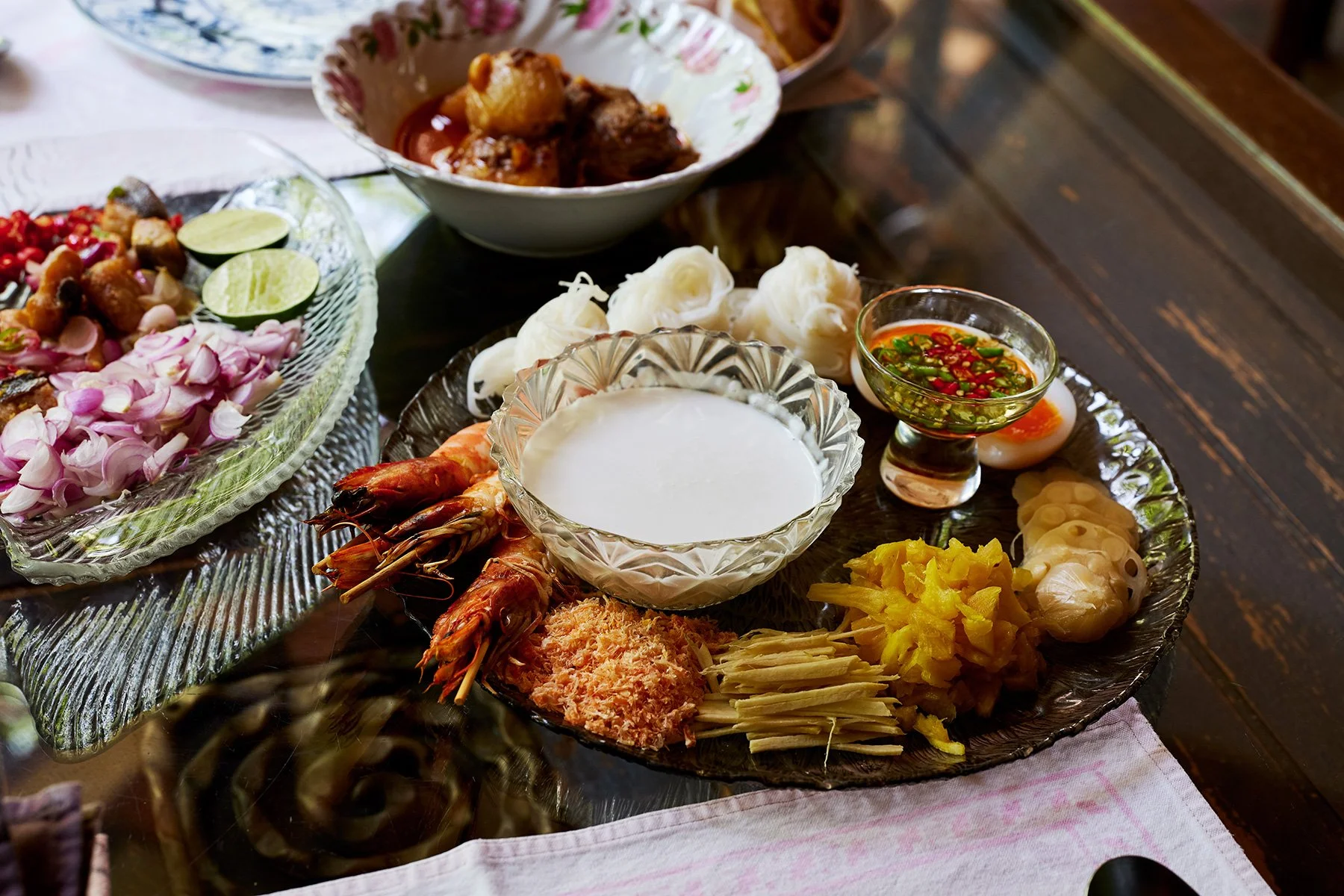
“Nam Prik” is a common food in Thailand. The term does not refer to any one particular dish, but a wide range of different dips made from chili paste and other local ingredients.

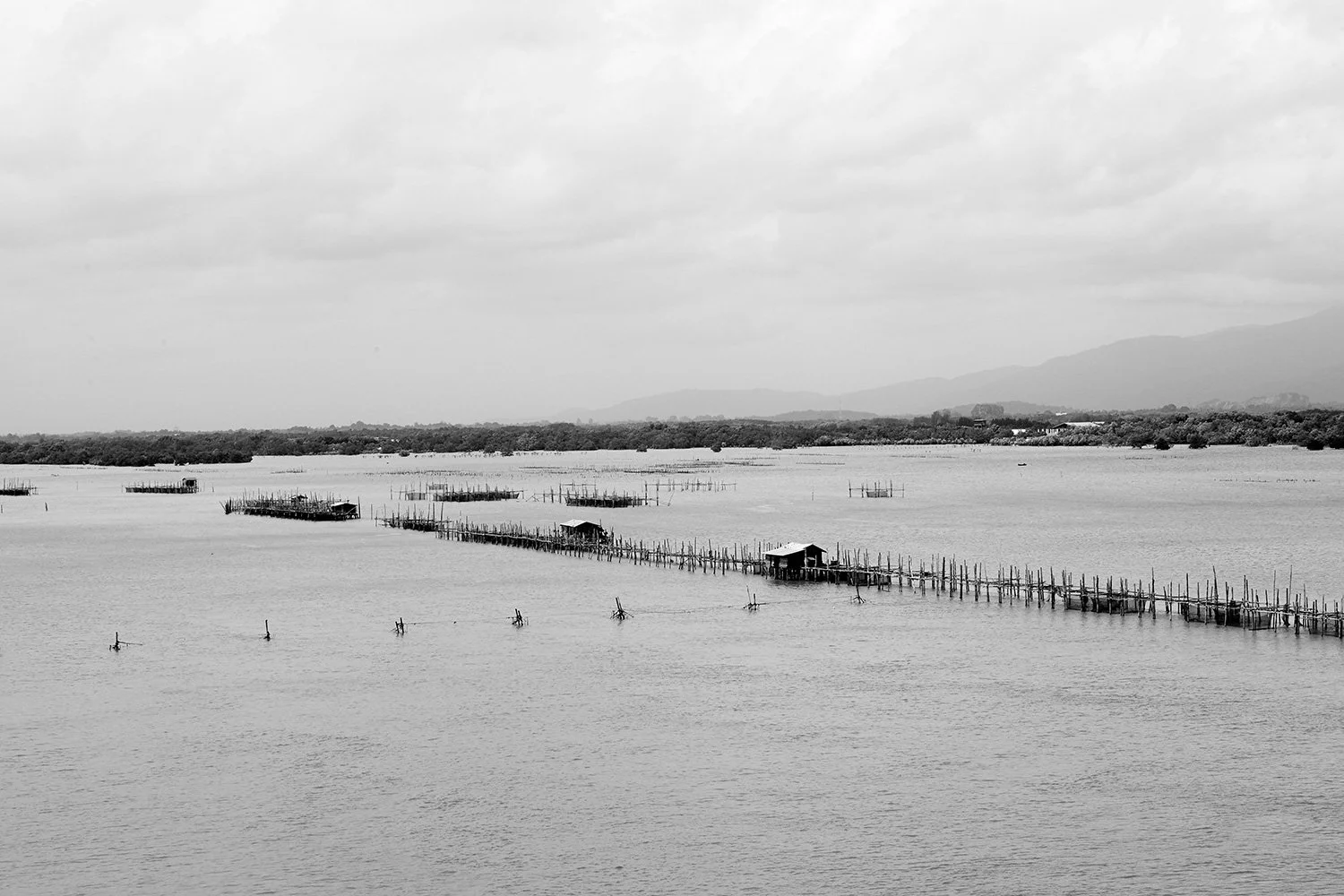
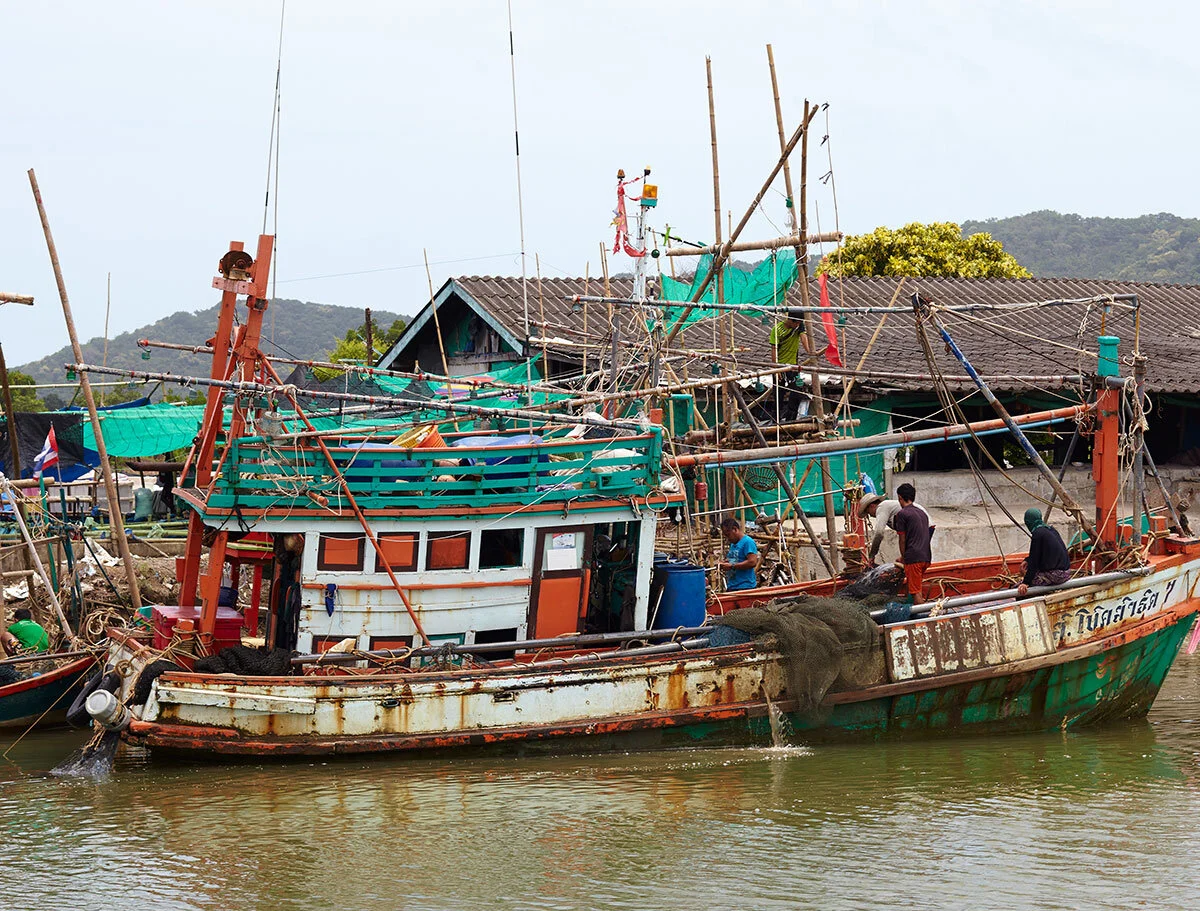
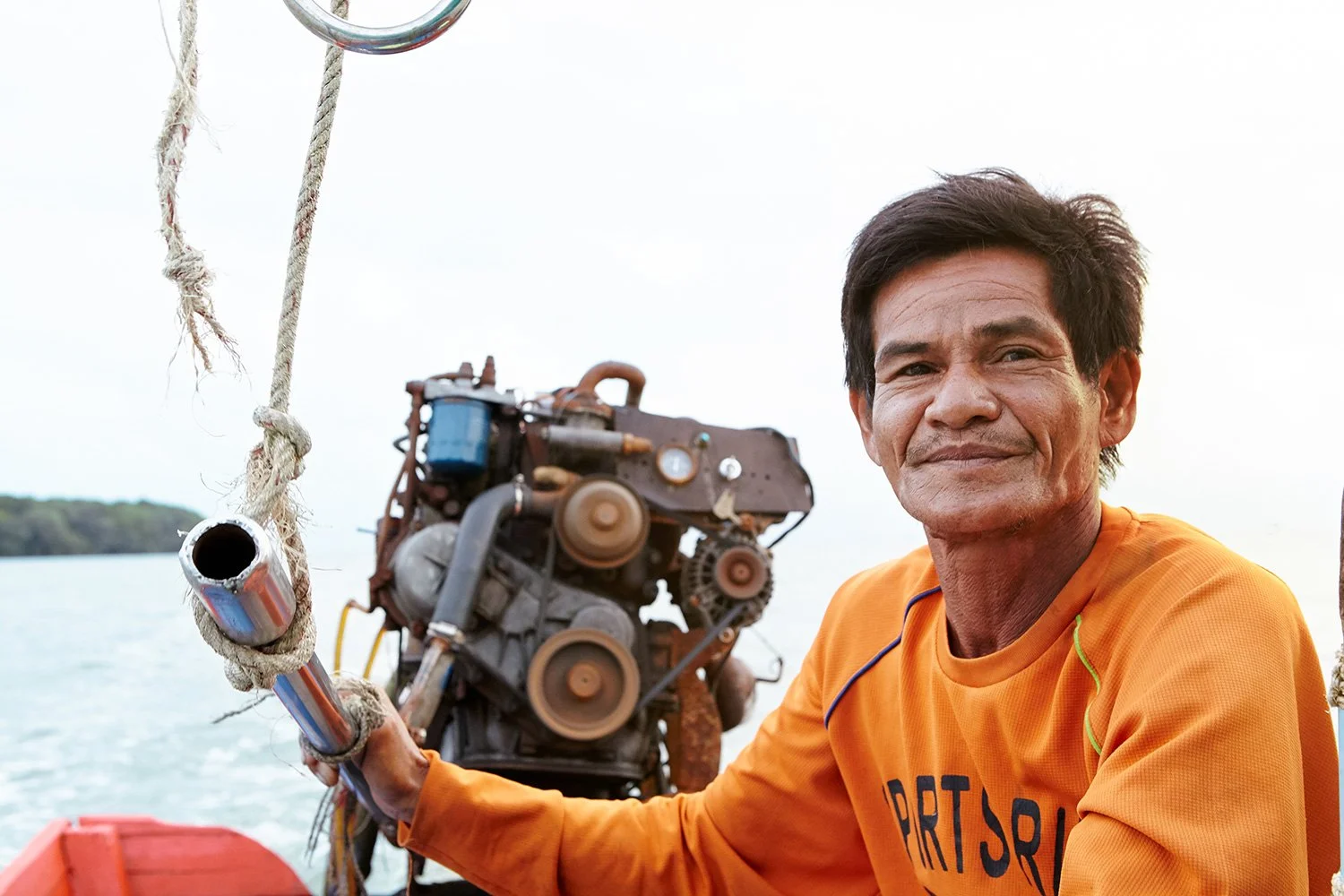
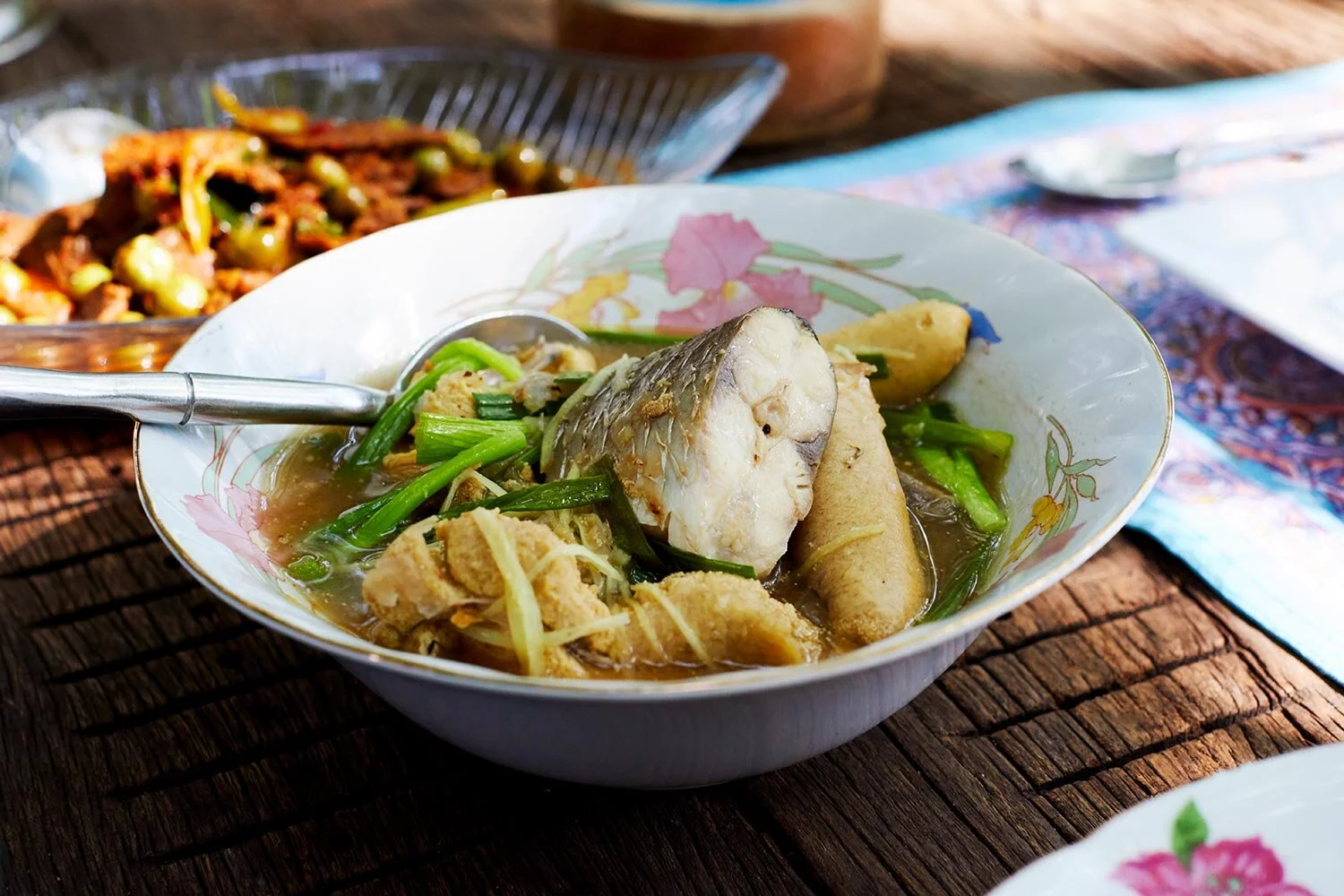
About 150 miles east of Bangkok, driving over the Taksin Maharaj bridge where Chanthaburi river and gulf of Siam meet, we started to see some small coastal fishing communities.
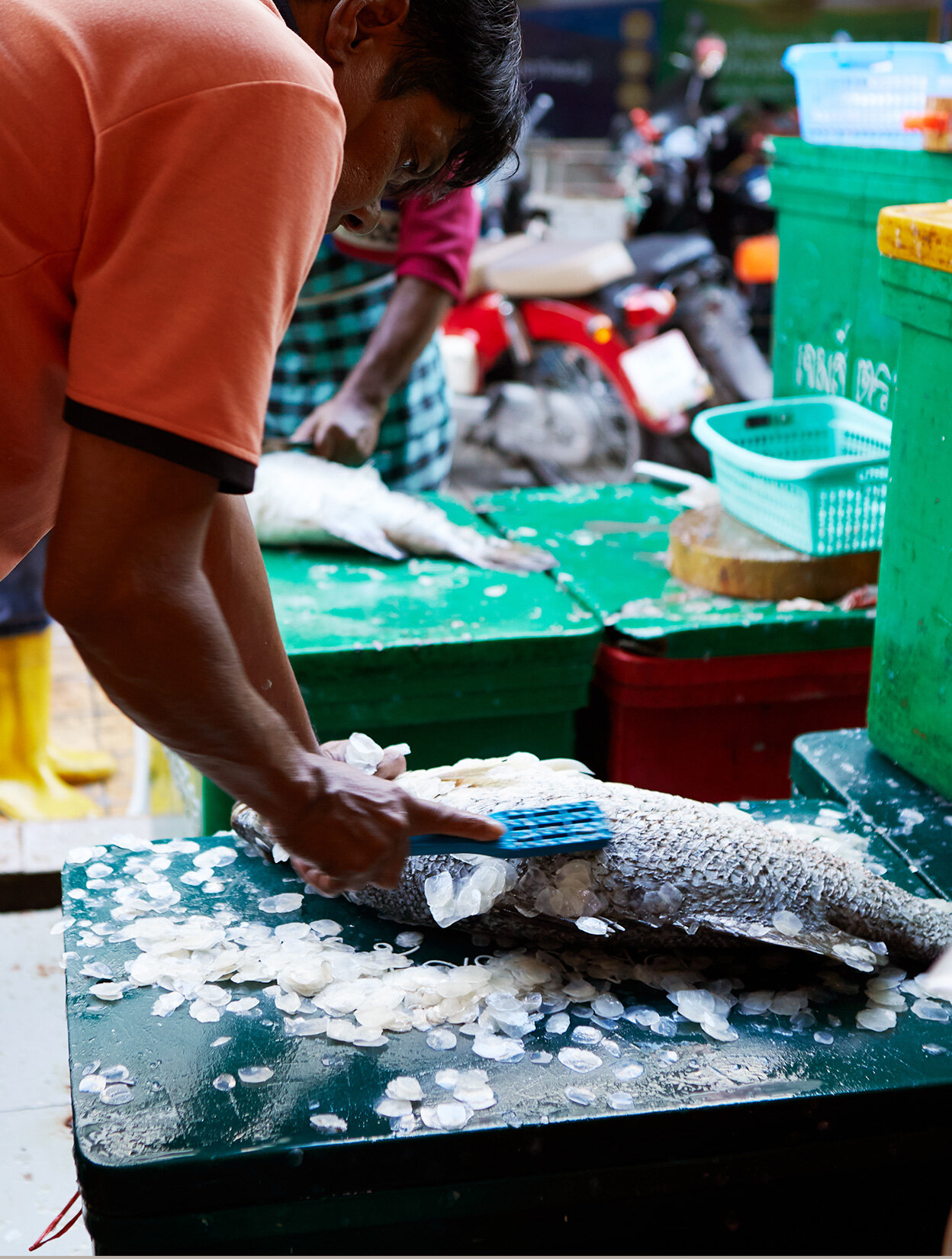
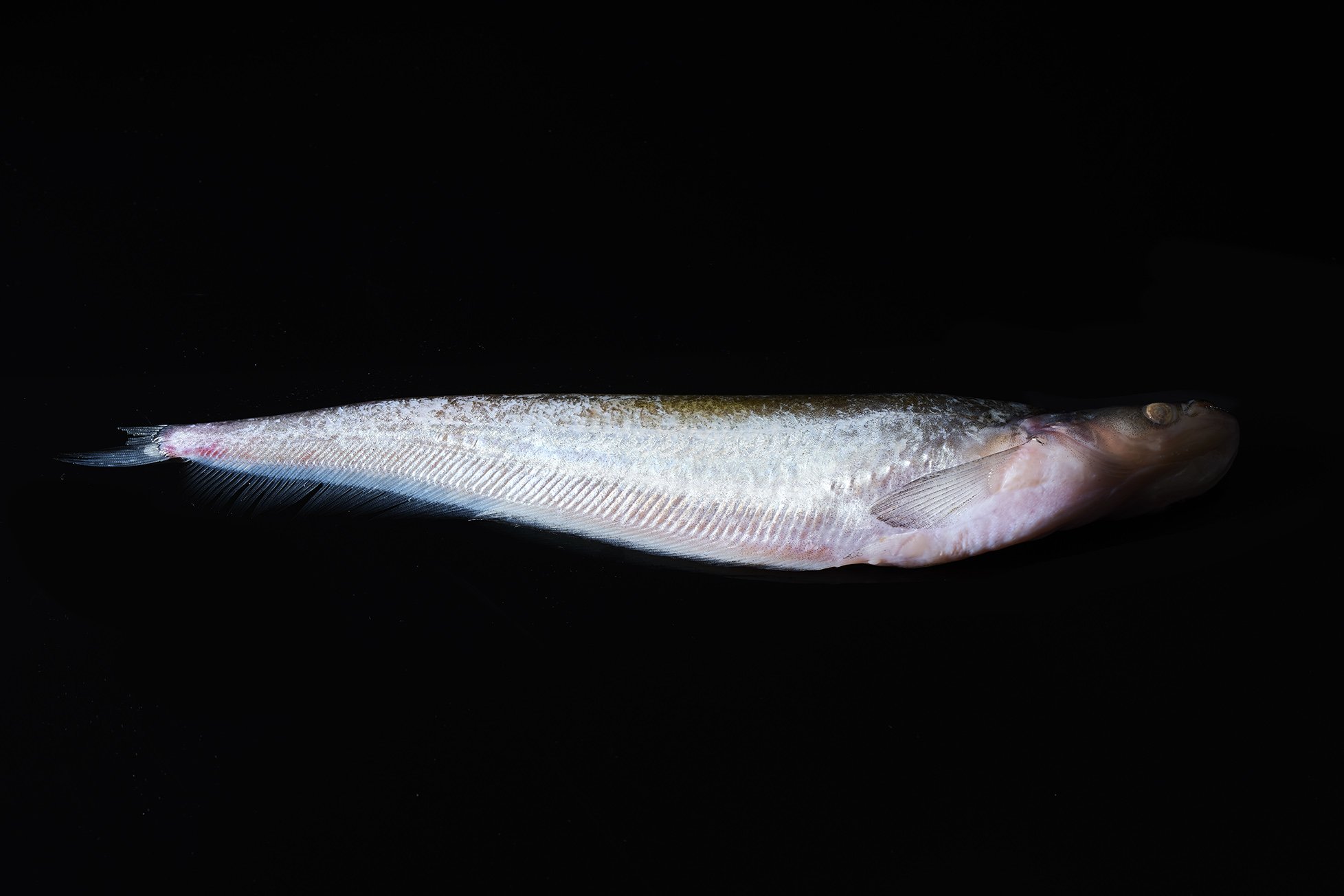
Fisheries and aquaculture provide not only one of most significant source of proteins to the 69 million people in Thailand, but also cultural and economical benefit to the many...
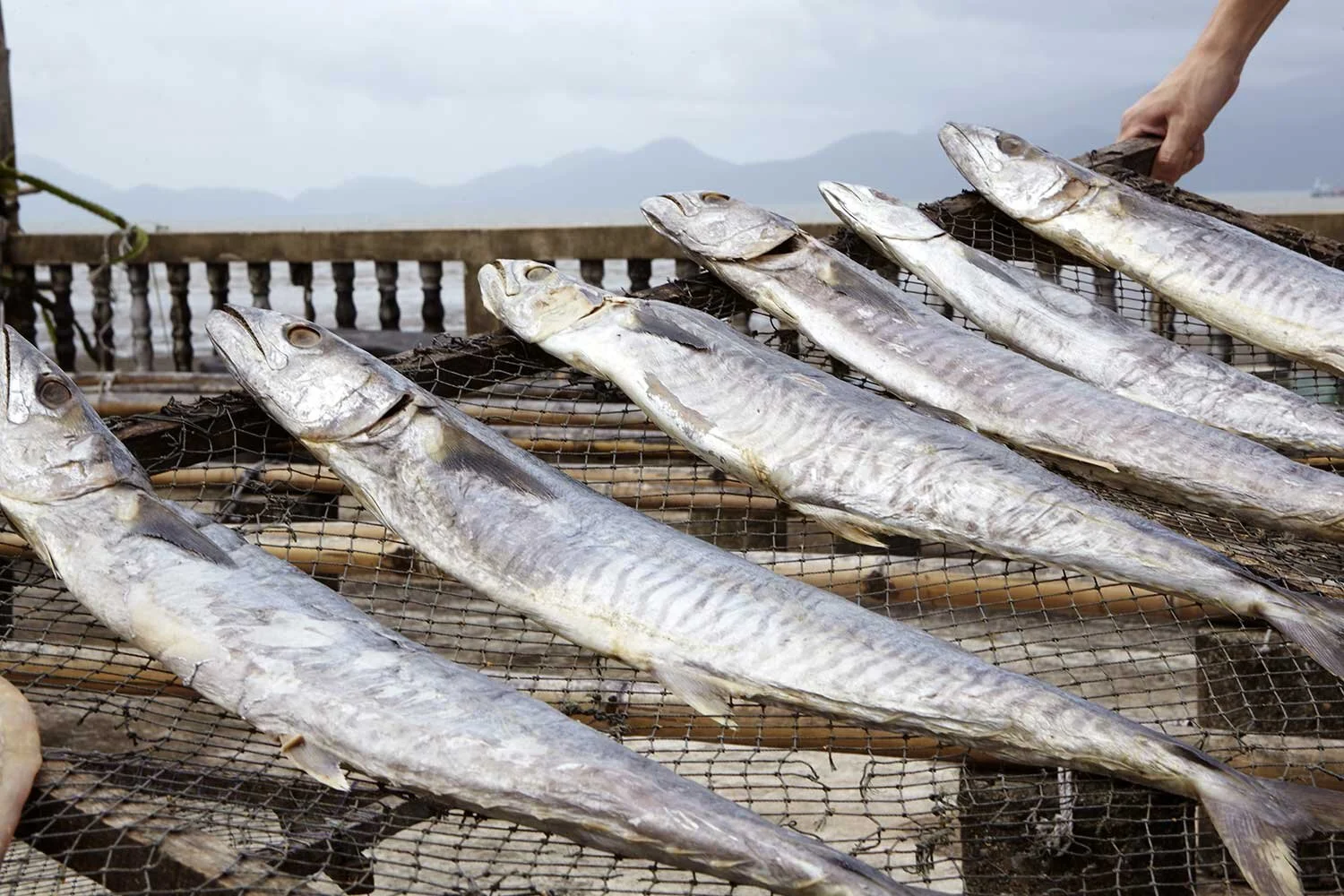
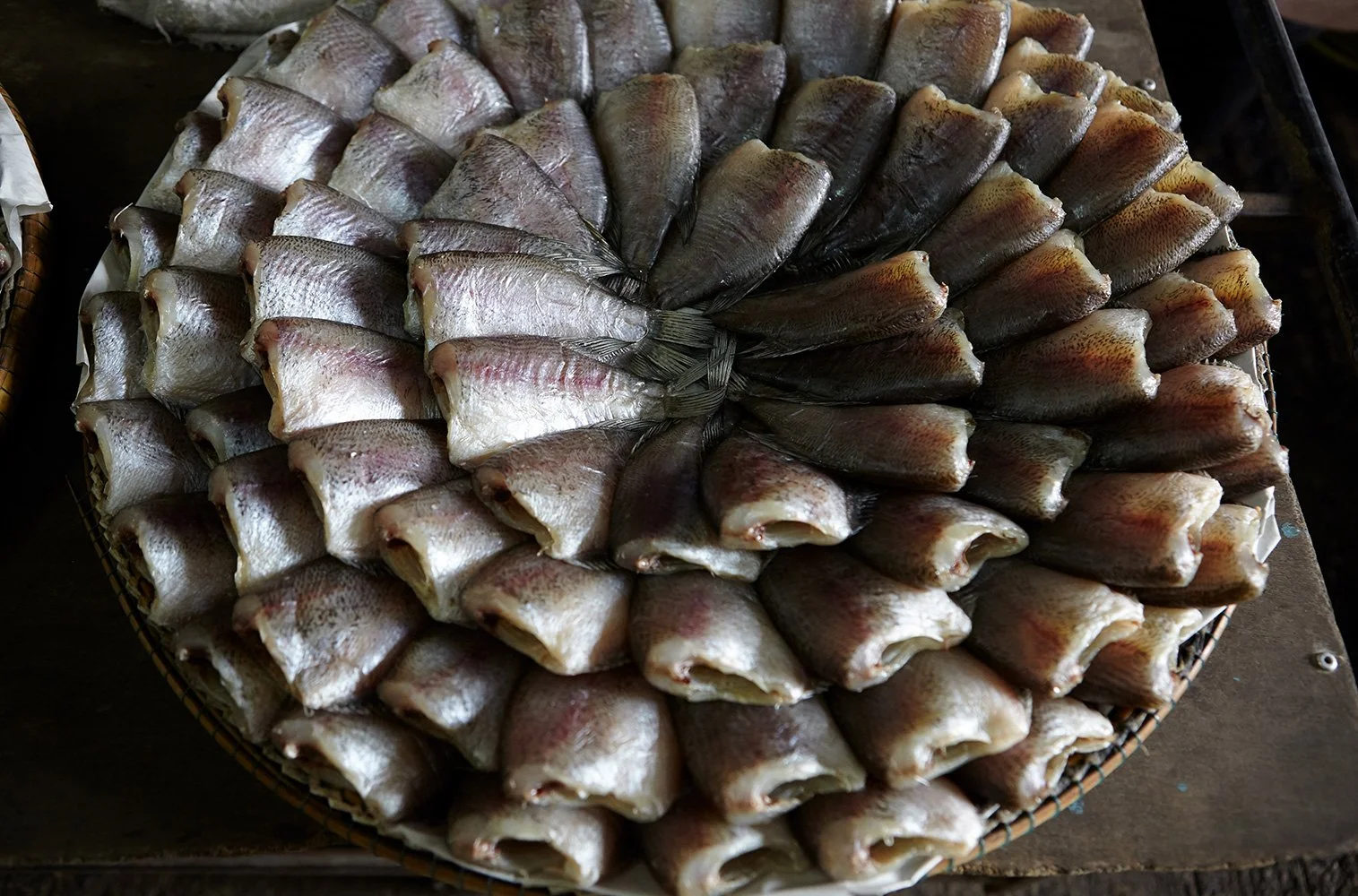
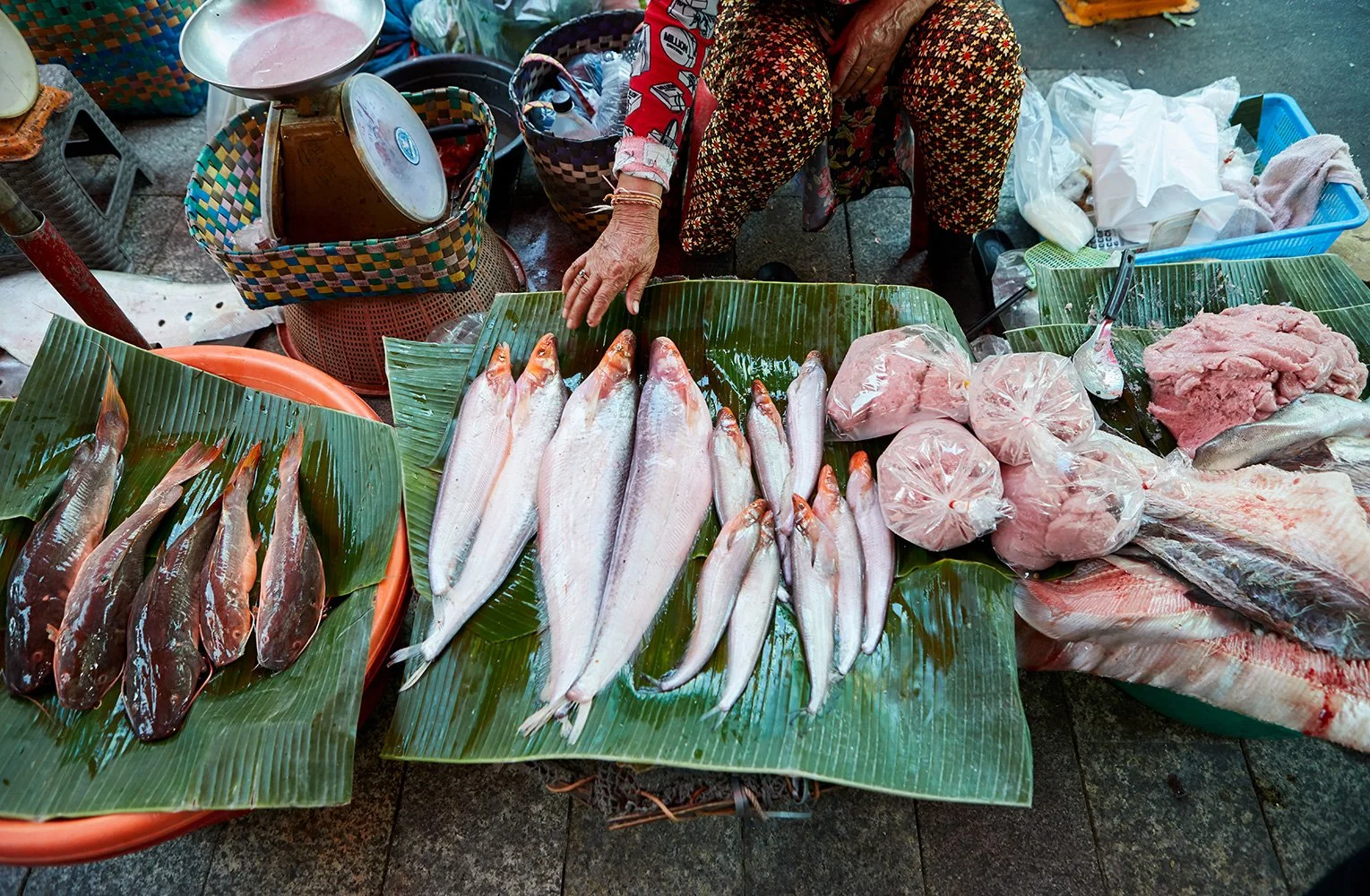
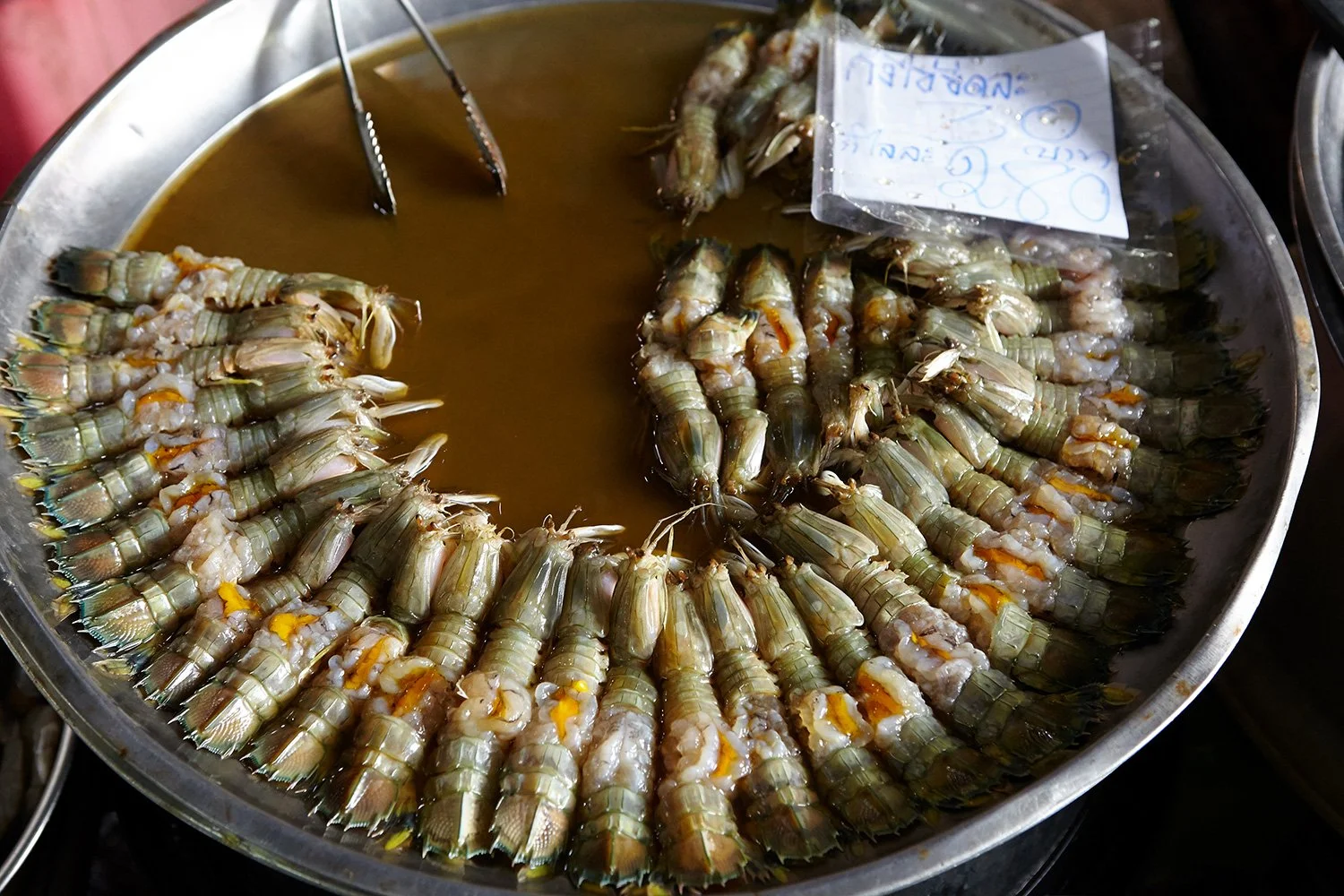
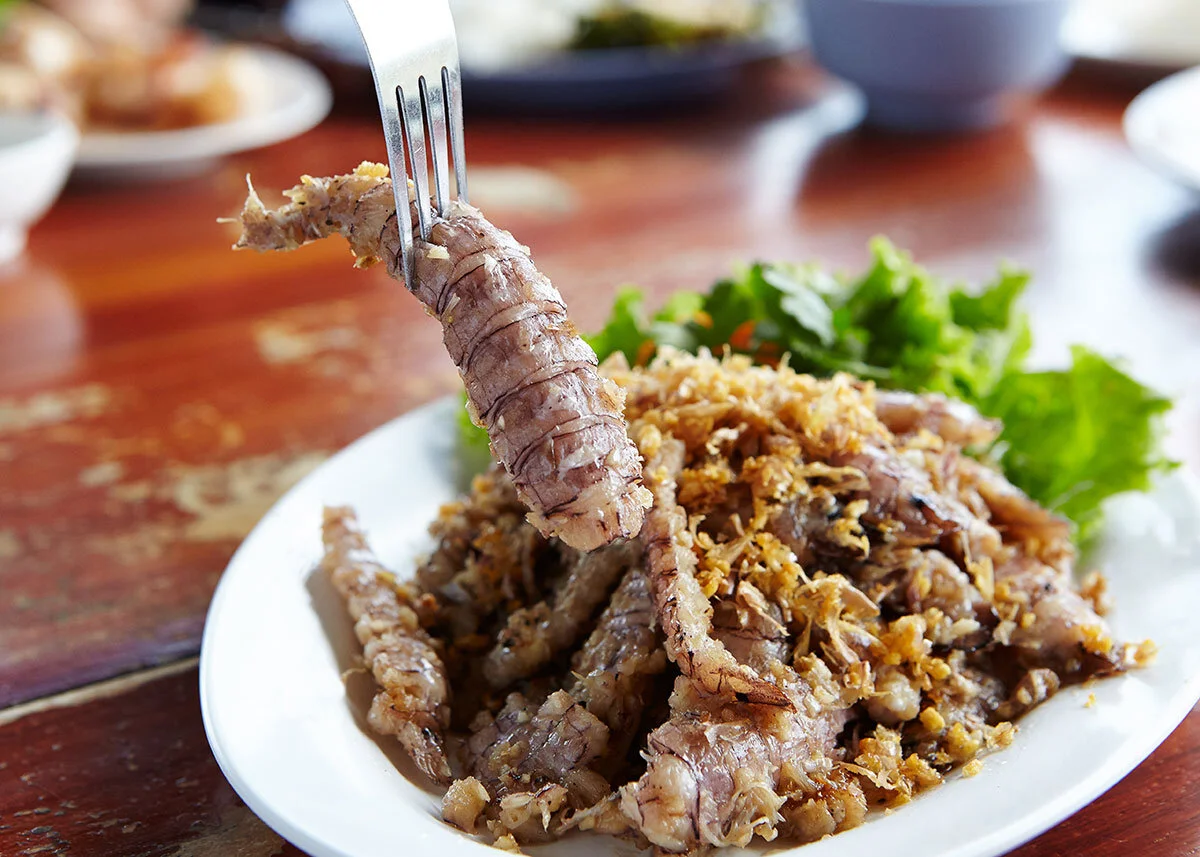
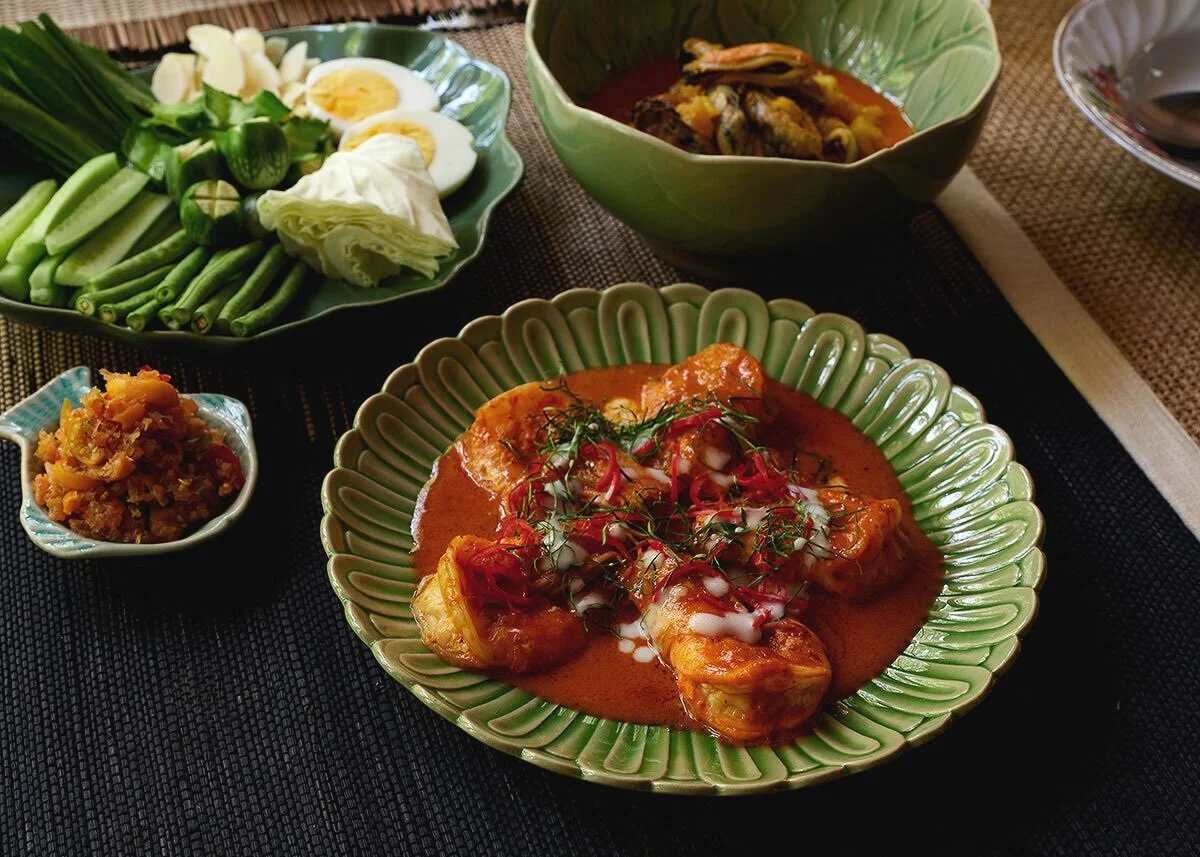
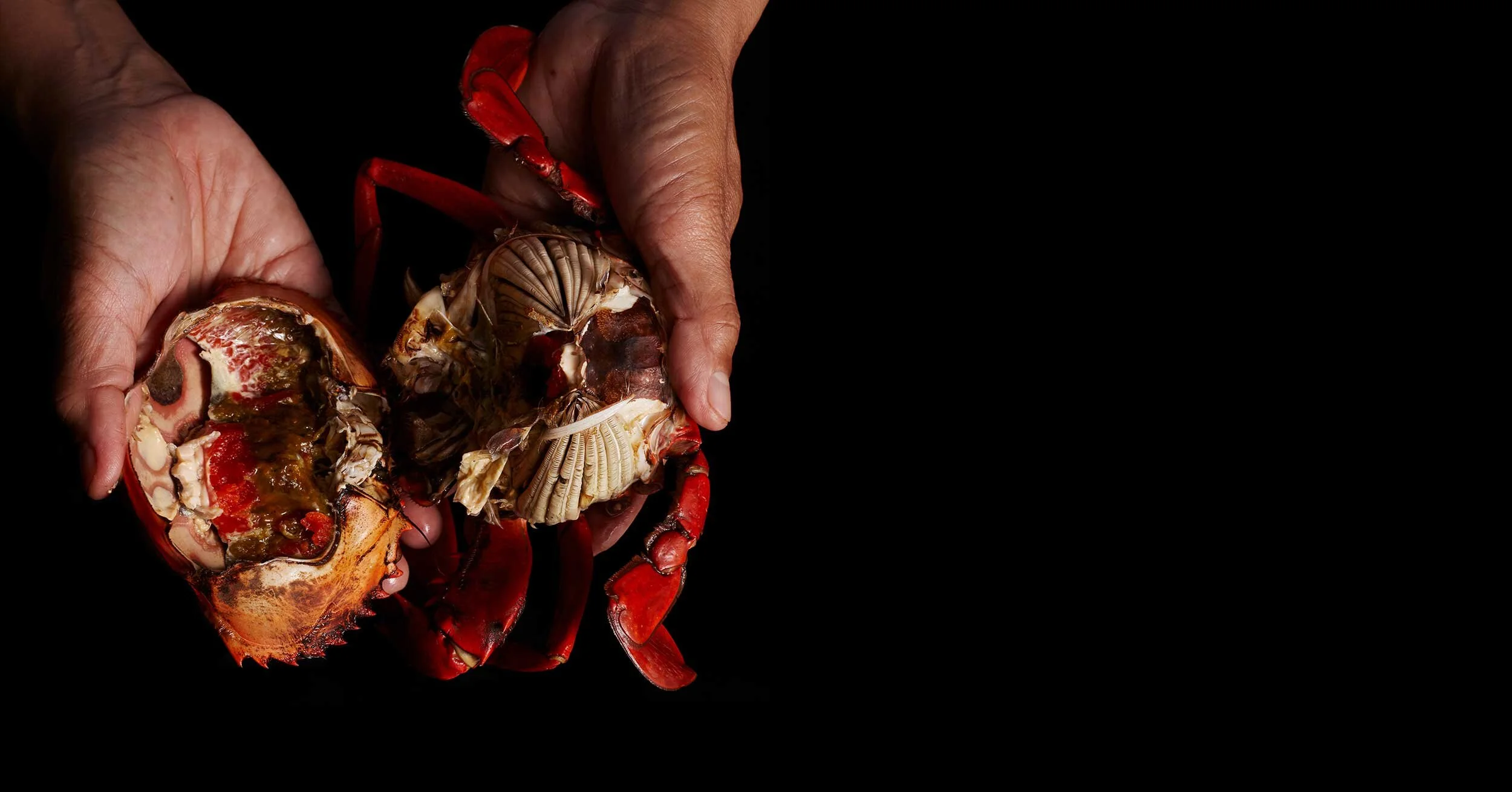
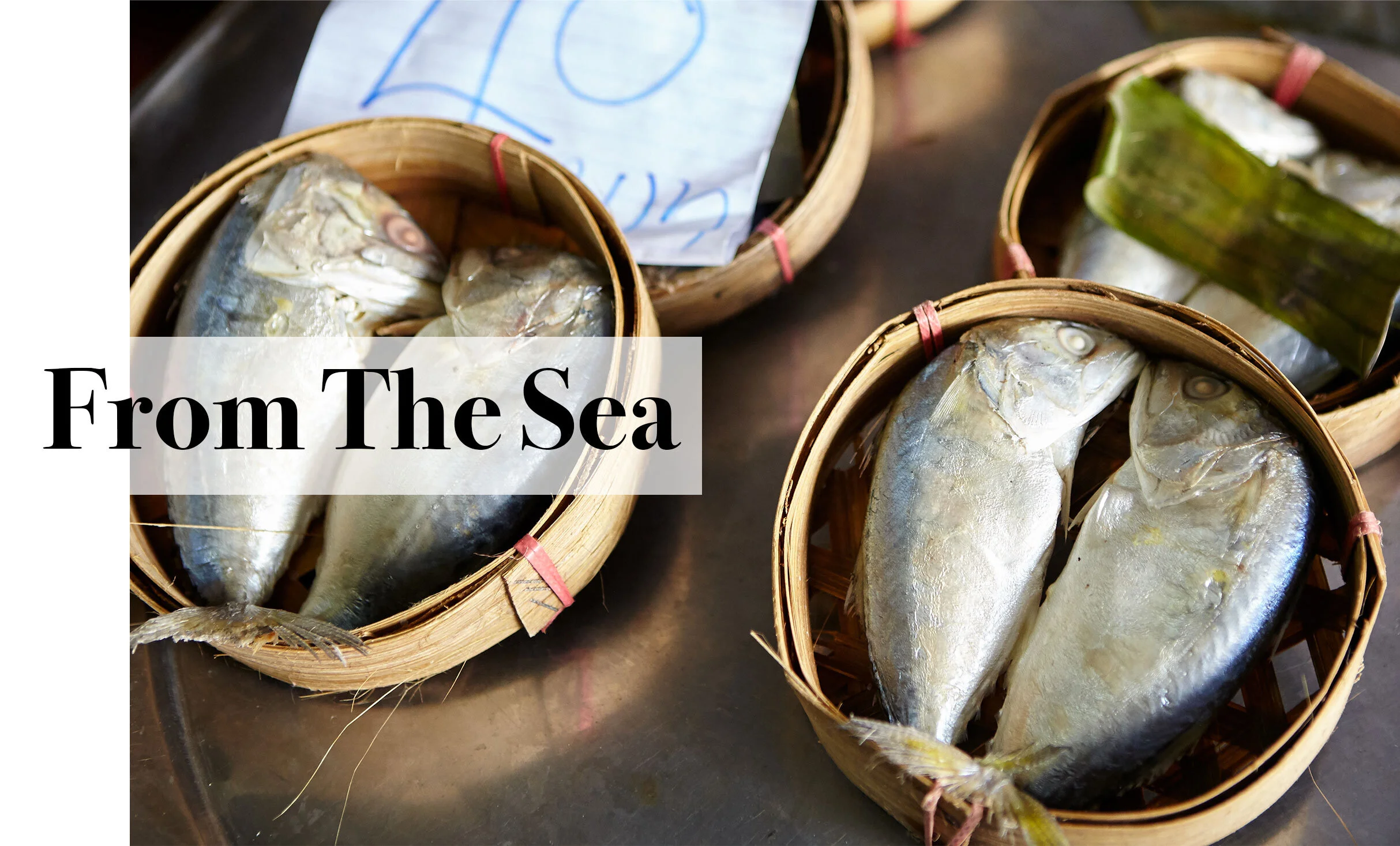
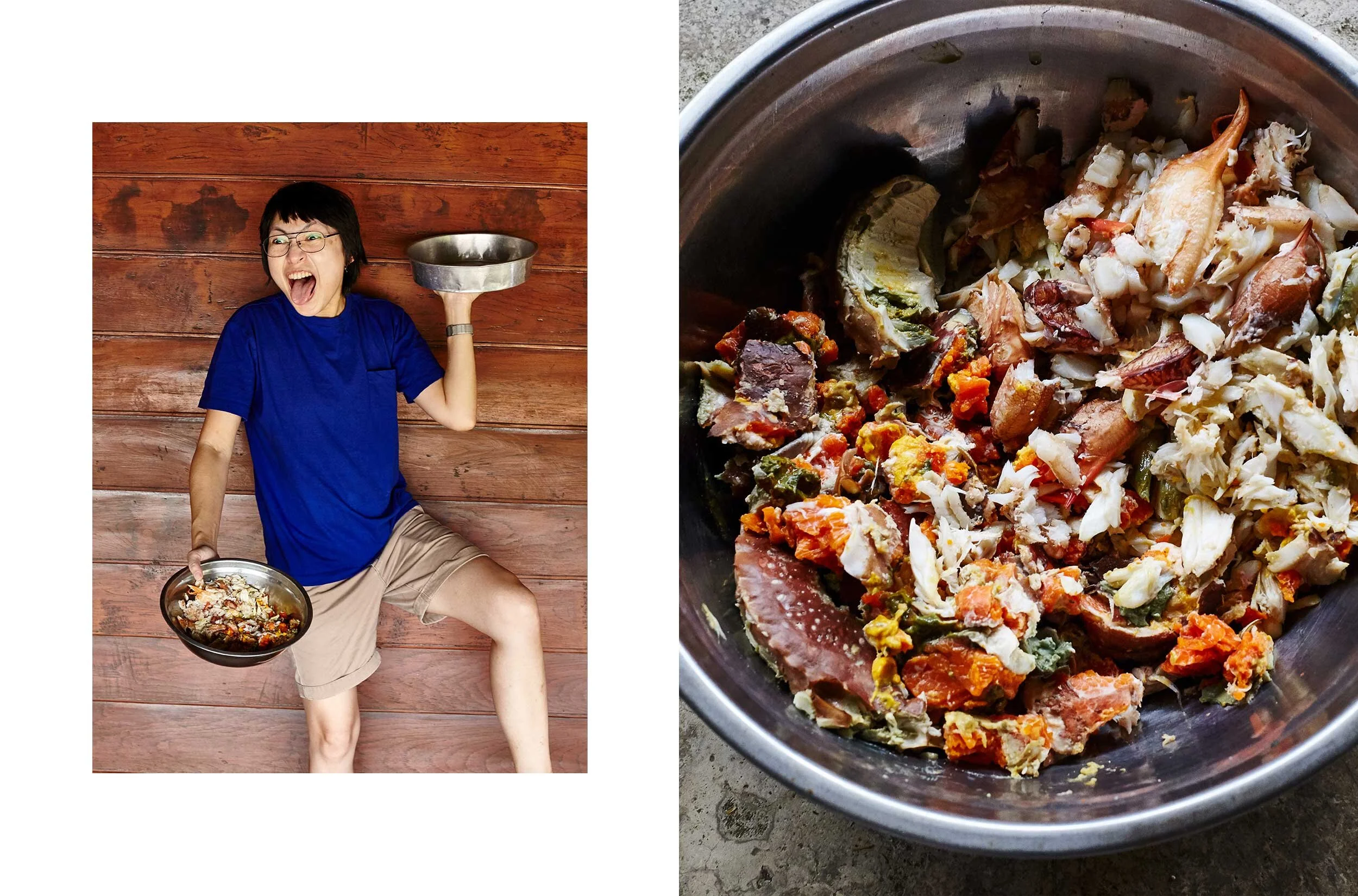
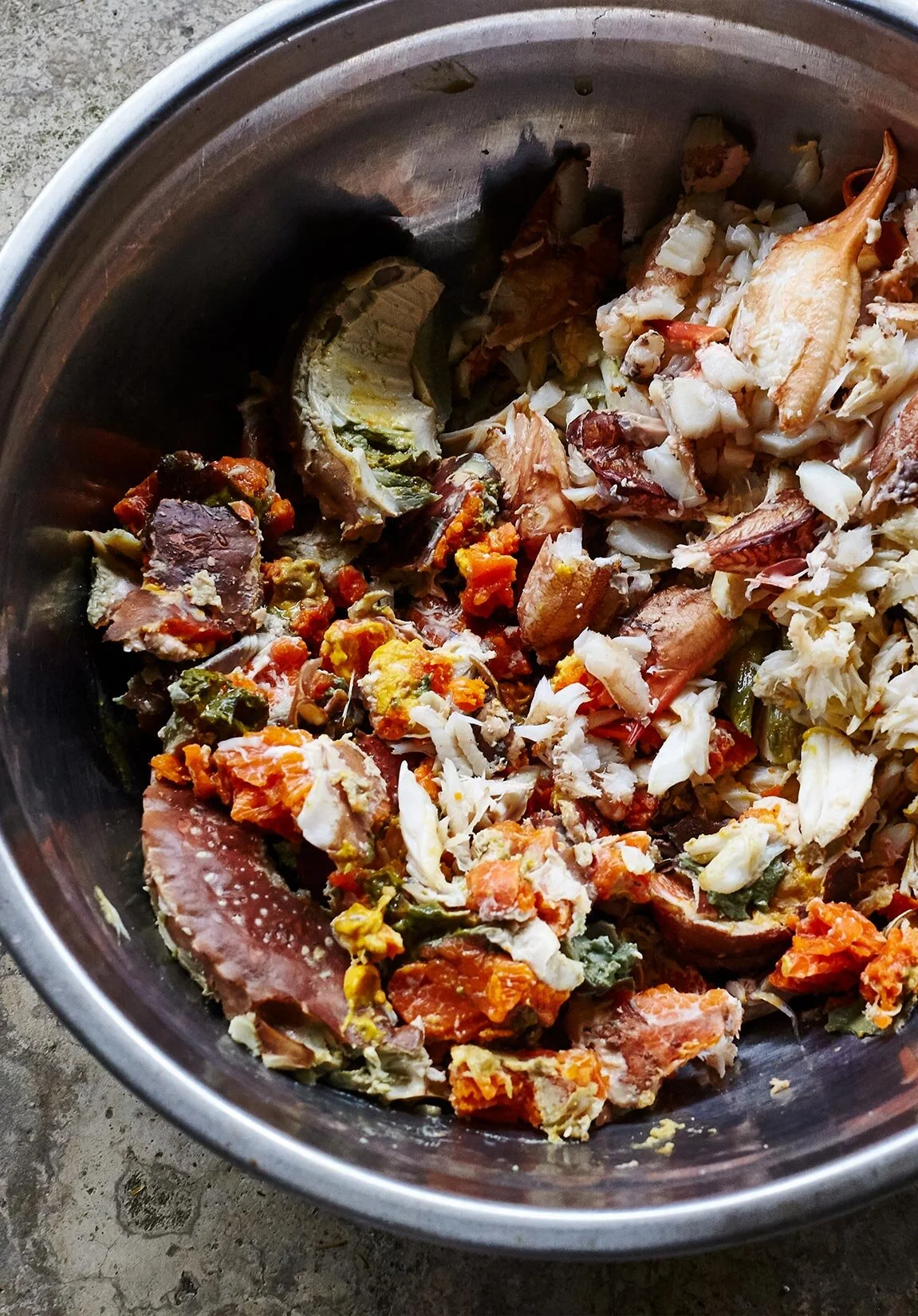
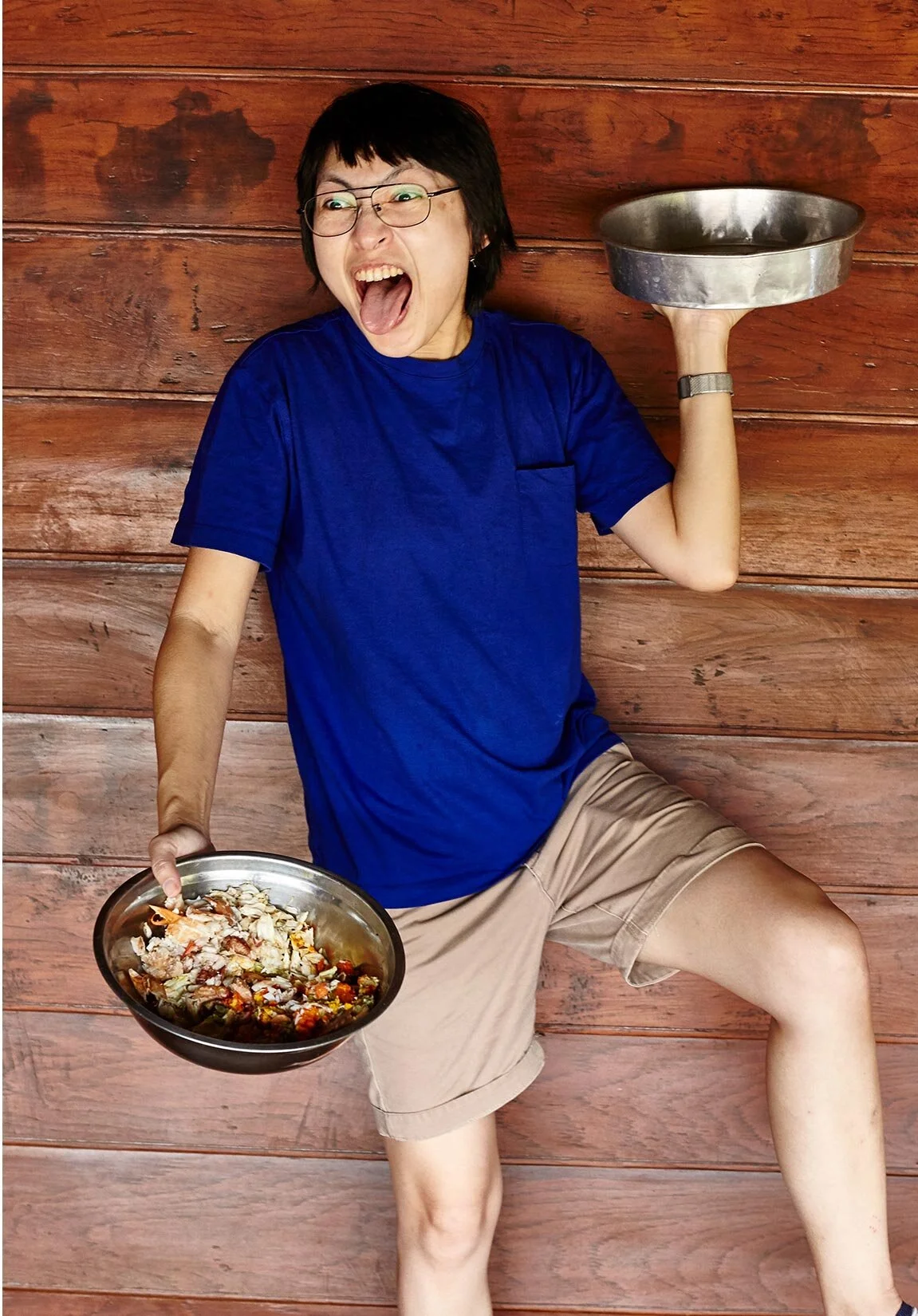
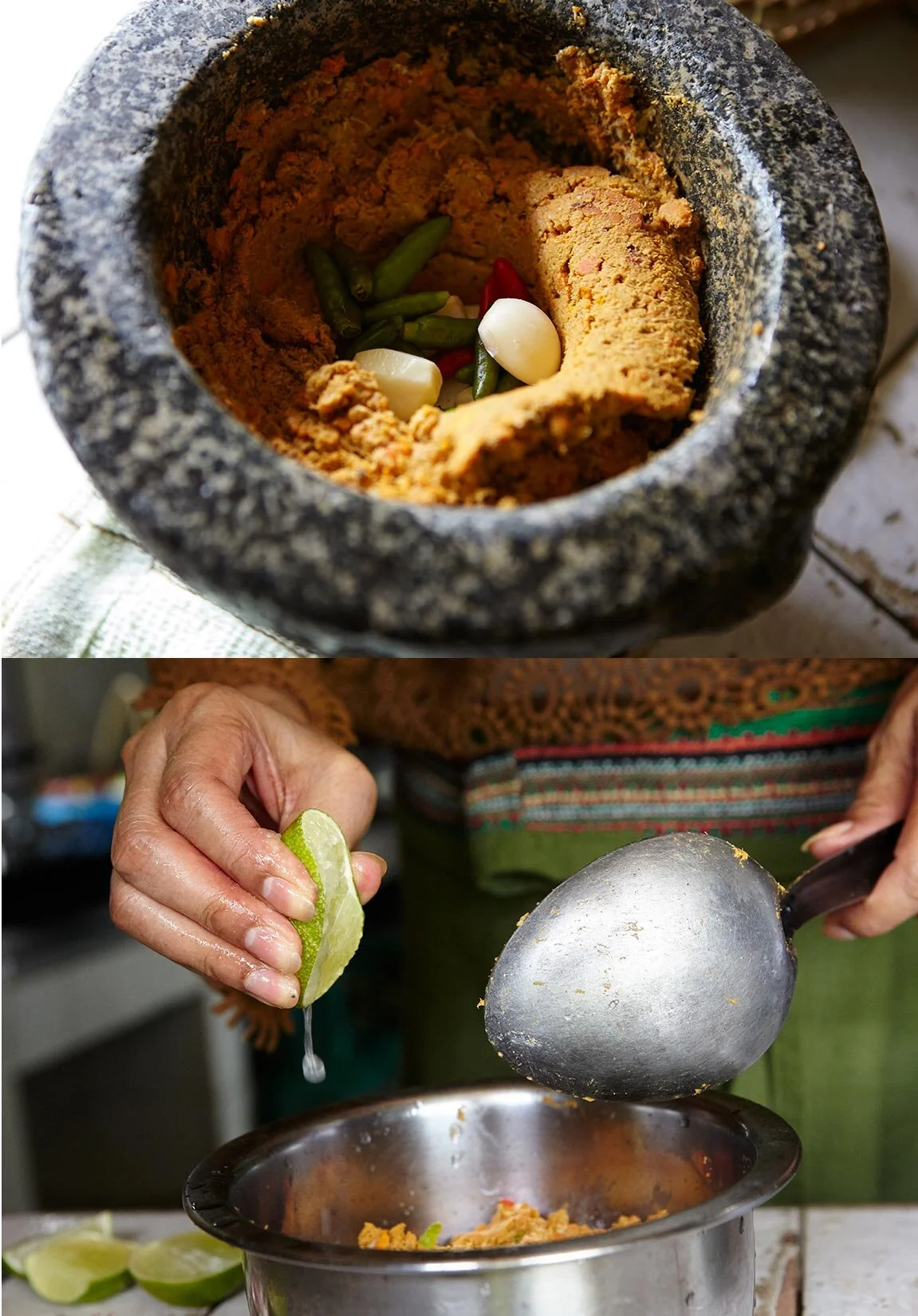
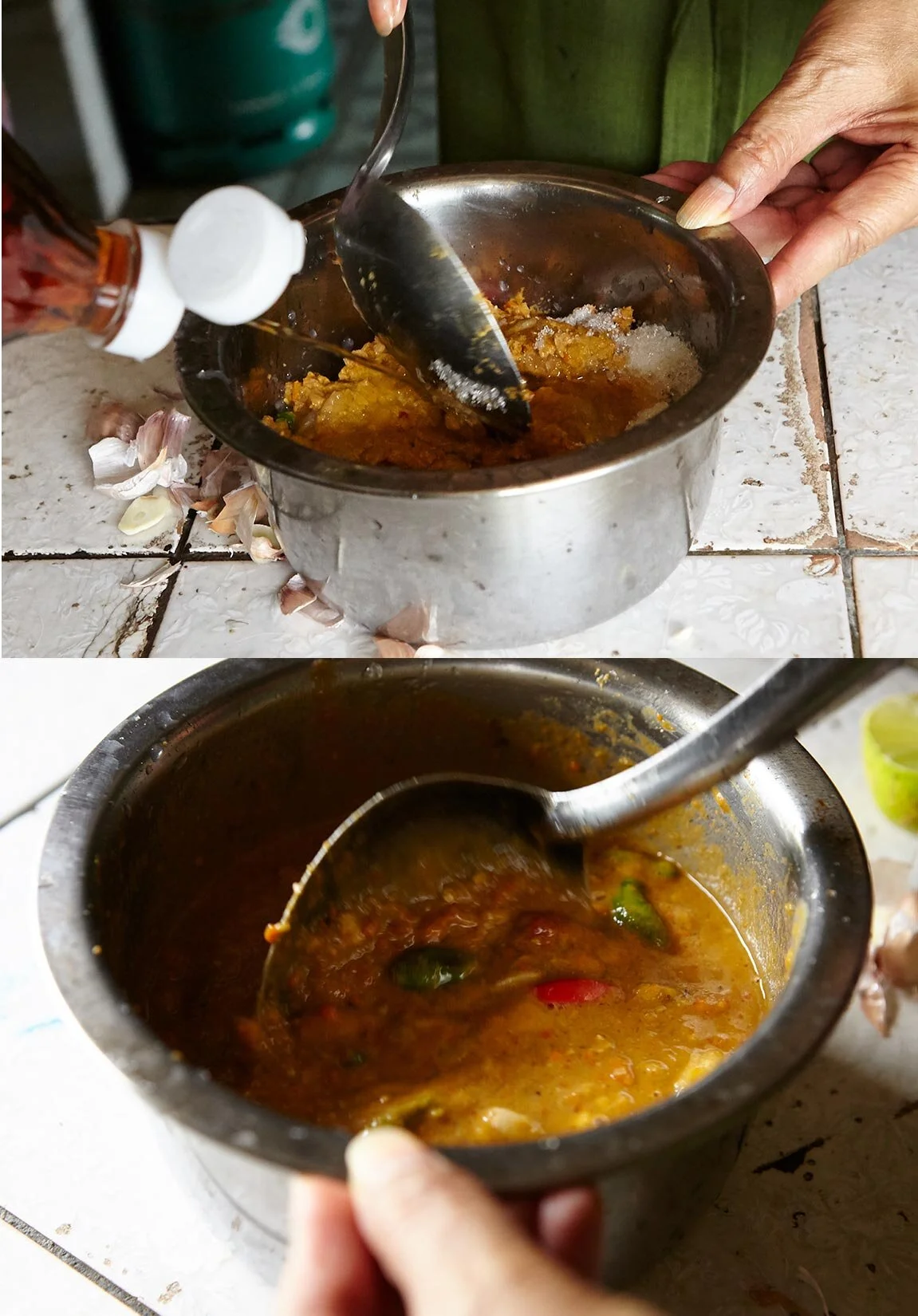
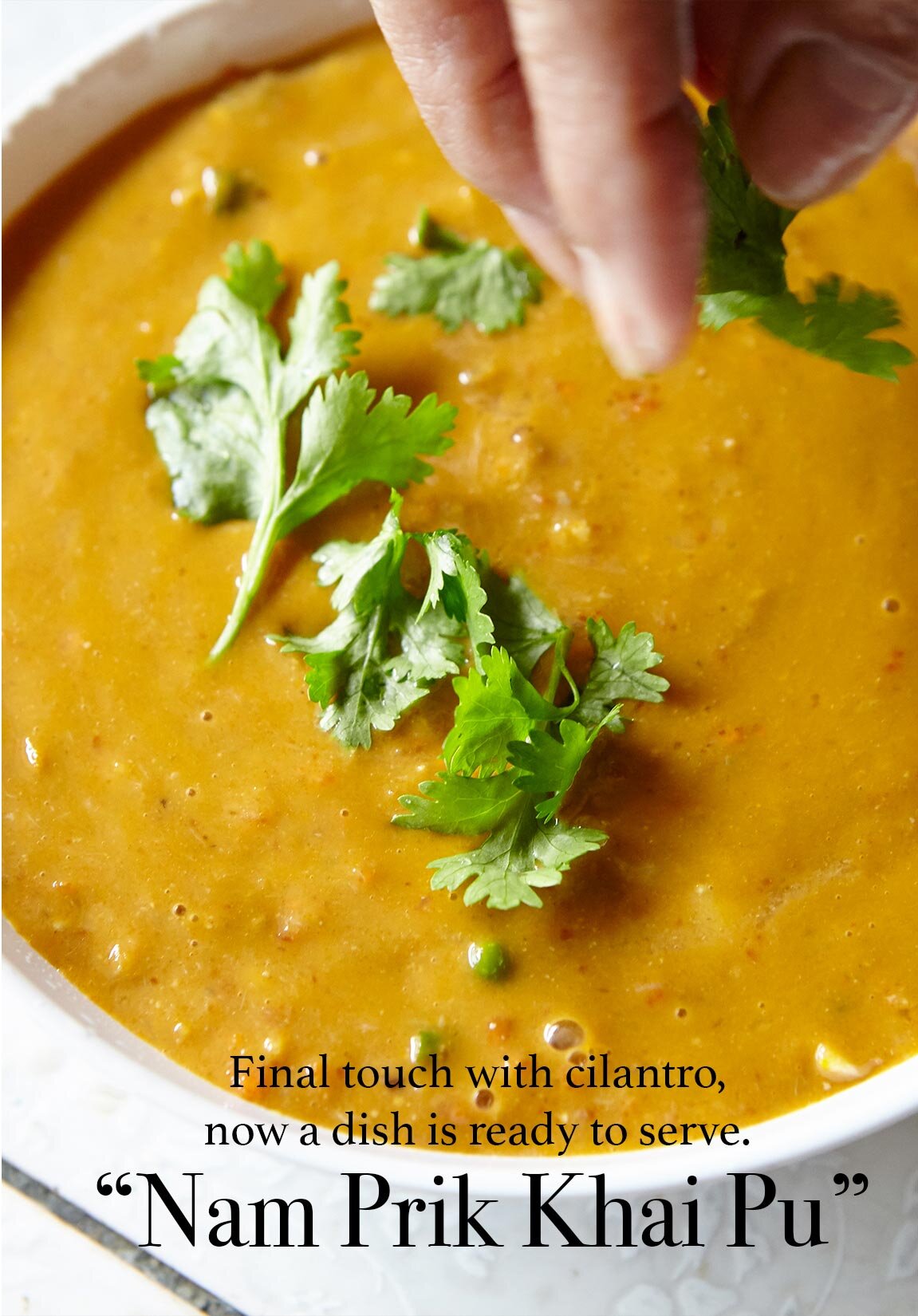
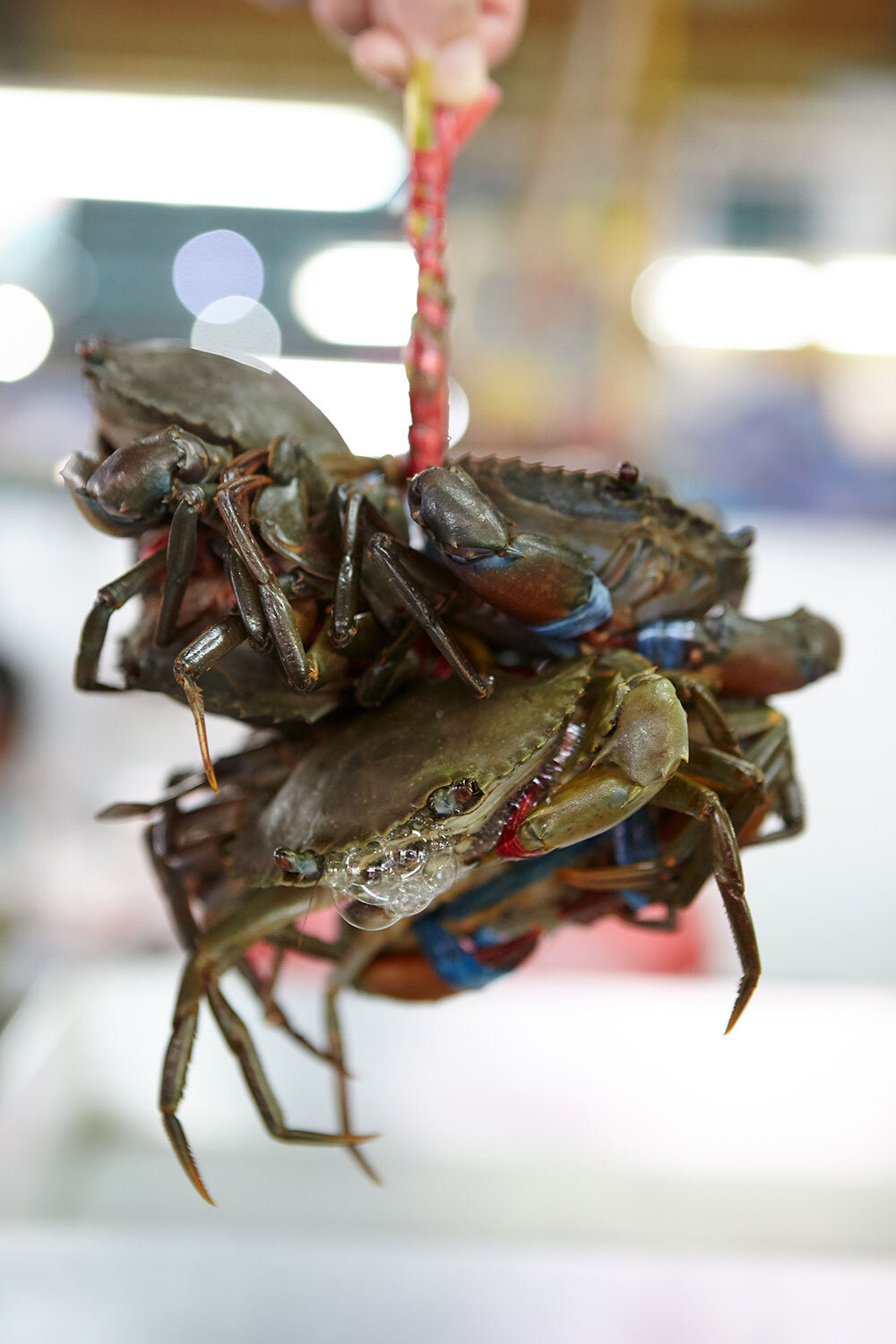
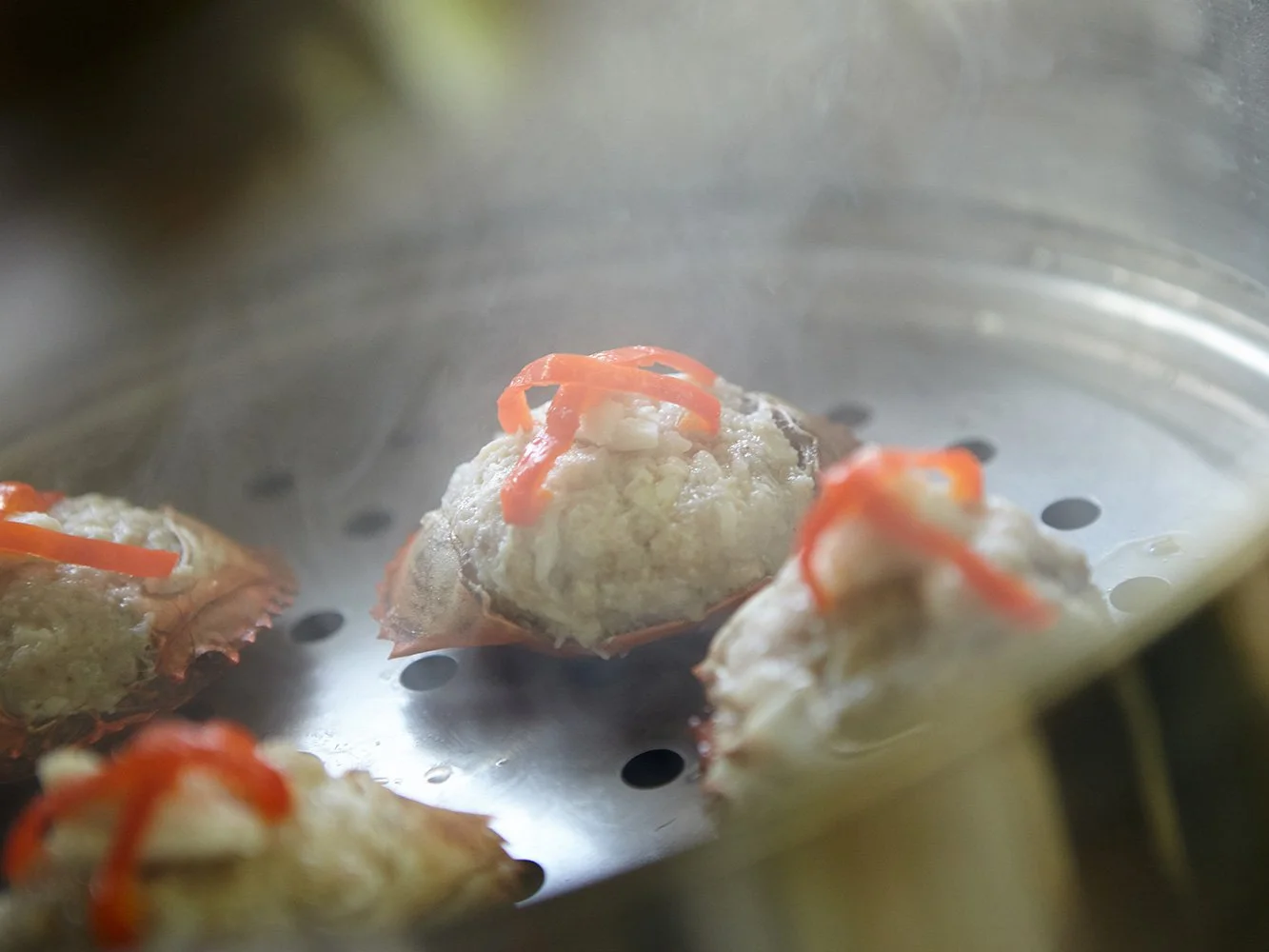
Crabs were Oat’s grandmother’s favorite seafood because they were—and still are—widely available in Trat where Oat’s grandmother was born and lived for most her life. In Thailand, people eat not only the crab’s meat but also its fatty and colorful liver and roe. One of Oat’s favorite dishes: “Nam Prik Khai Pu” is made from these Thai crab delicacies.
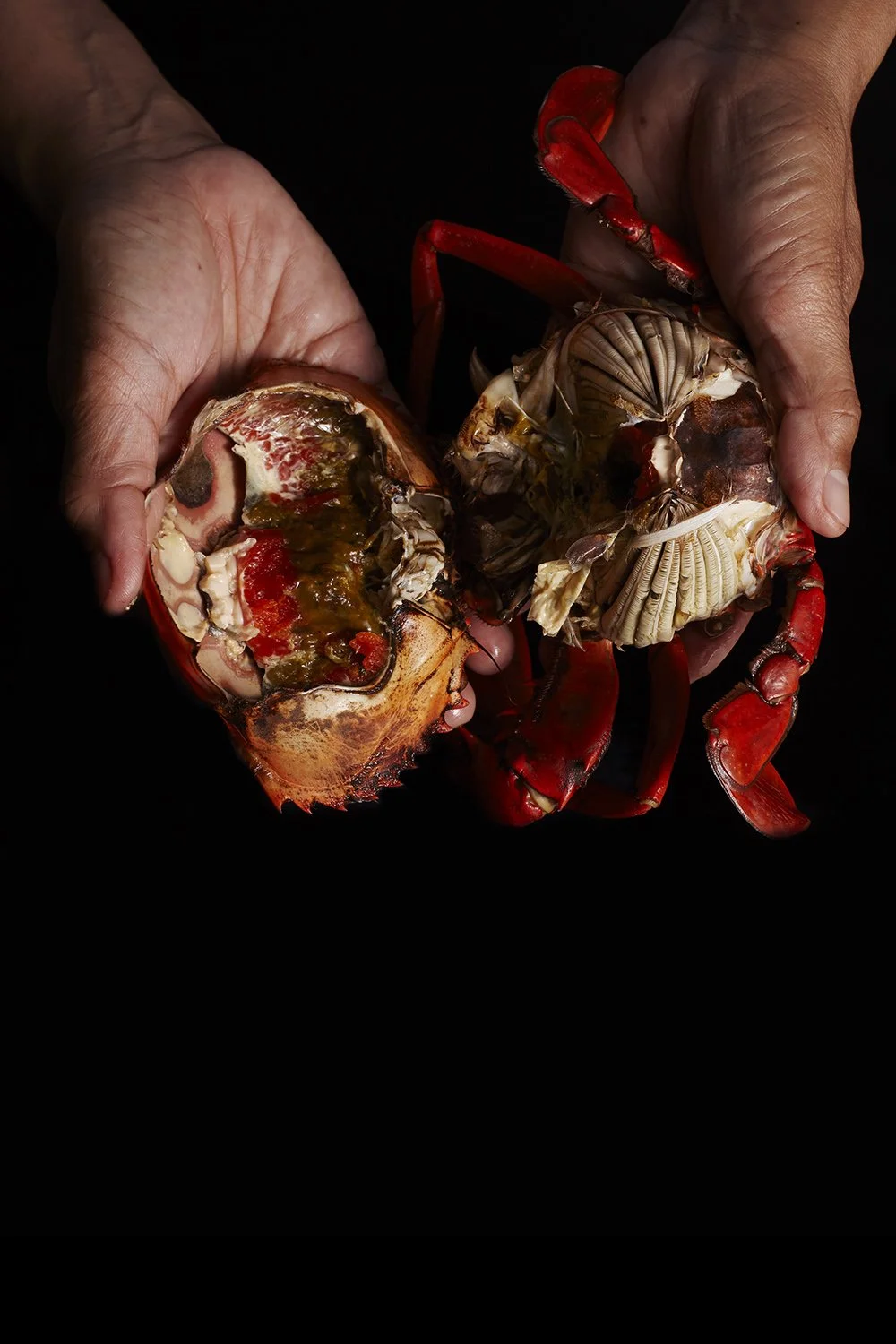
Crabs were Oat’s grandmother’s favorite seafood because they were—and still are—widely available in Trat where Oat’s grandmother was born and lived for most her life. In Thailand, people eat not only the crab’s meat but also its fatty and colorful liver and roe. One of Oat’s favorite dishes: “Nam Prik Khai Pu” is made from these Thai crab delicacies.


Thank you for reaching all the way down here!
Botanical Project
Thailand
More Projects

Organic Project

A Flash of Cobalt Blue

Leaf Project
Brooklyn Aikikai